Get your free personalized podcast brief
We scan new podcasts and send you the top 5 insights daily.
To overcome mistrust in AI due to issues like "hallucinations," health systems should avoid large-scale rollouts. Instead, they must build trust by starting small within a single department, proving the concept with a multidisciplinary team, and demonstrating clear wins before scaling across the entire organization.
Related Insights
To avoid failure, launch AI agents with high human control and low agency, such as suggesting actions to an operator. As the agent proves reliable and you collect performance data, you can gradually increase its autonomy. This phased approach minimizes risk and builds user trust.

To gain trust from medical and regulatory teams, AI companies must move beyond being 'tech demos.' The key is to build solutions as medical products with transparent validation, reproducible results, and deep integration into existing clinical workflows. Trust is earned through reliability over time, not just peak performance on a single dataset.
For products in sensitive domains like reproductive health, introducing patient-facing AI can erode fragile trust. A wiser approach is to apply AI internally to augment a lean team's capabilities, such as synthesizing qualitative data to accelerate critical decisions.

Implementing trust isn't a massive, year-long project. It's about developing a "muscle" for small, consistent actions like adding a badge, clarifying data retention, or citing sources. These low-cost, high-value changes can be integrated into regular product development cycles.

Hospitals are adopting a phased approach to AI. They start with commercially ready, low-risk, non-clinical applications like RCM. This allows them to build an internal 'AI muscle'—developing frameworks and expertise—before expanding into more sensitive, higher-stakes areas like patient engagement and clinical decision support.

Gokul Rajaram advises that AI agents should adopt the trust-building model used by medical scribe AIs. Instead of assuming user trust, agents should start by requiring human approval for all actions, then gradually earn autonomy as they demonstrate reliability over time. This incremental approach is key to overcoming user skepticism.

To mitigate risks like AI hallucinations and high operational costs, enterprises should first deploy new AI tools internally to support human agents. This "agent-assist" model allows for monitoring, testing, and refinement in a controlled environment before exposing the technology directly to customers.

To overcome resistance to AI in critical fields like healthcare, position it first as a supplement, not a replacement. By providing AI-generated summaries that still require clinical review, organizations can demonstrate value and build trust, making clinicians see AI as a tool that frees them for high-value work.

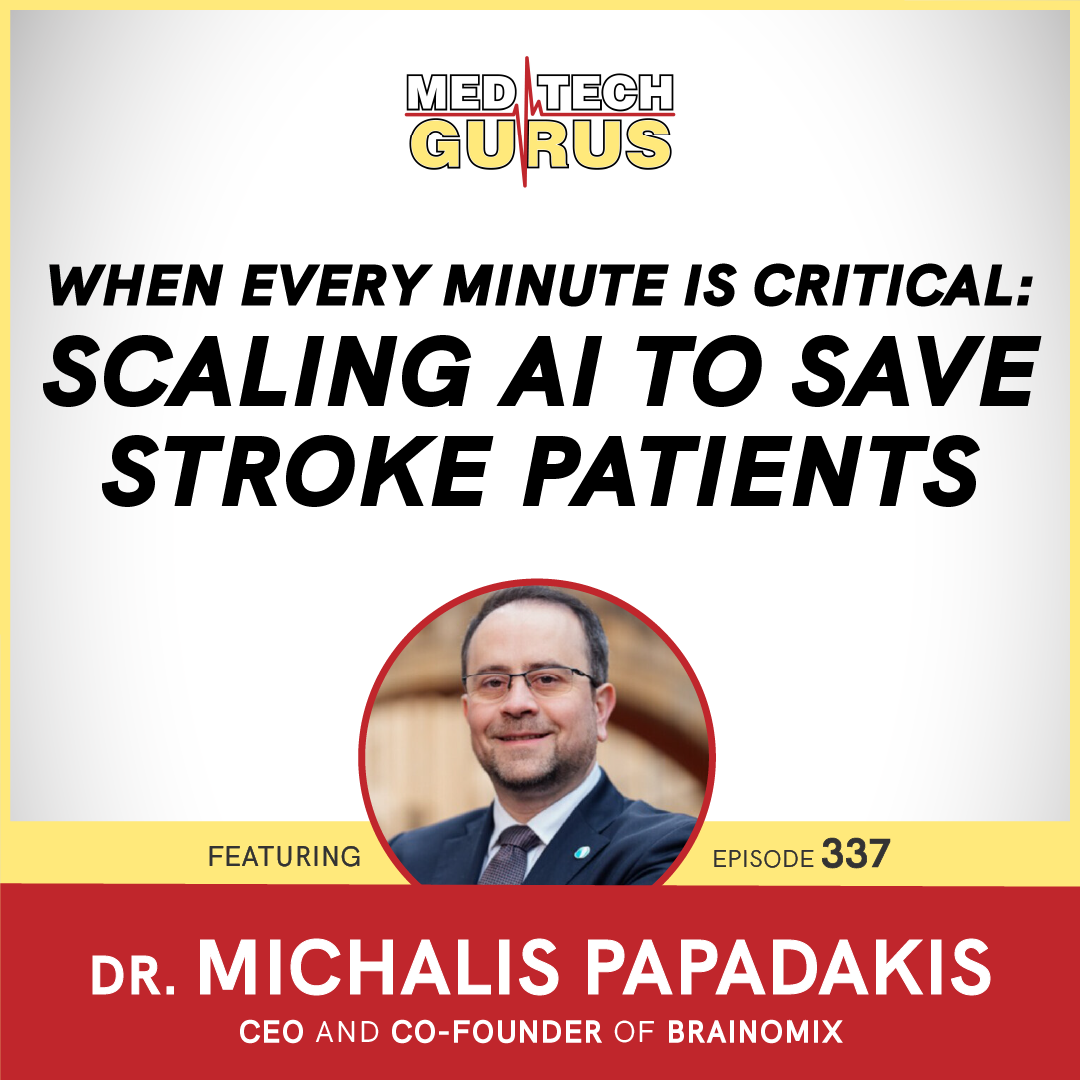
To gain physician trust, AI companies must move beyond proving their algorithm is accurate. The gold standard is large-scale clinical evidence demonstrating tangible improvements in patient outcomes, treatment rates, and decision-making speed.
To overcome customer trust issues with new AI features, avoid a 'big bang' rollout. Instead, launch with a pilot group. This approach allows the AI model to be trained on real-world data in a controlled environment, improving its accuracy and demonstrating value before a wider release.
