Get your free personalized podcast brief
We scan new podcasts and send you the top 5 insights daily.
During the Algerian War, Stanislas Urtel secretly photographed atrocities his government denied. At the time, there was no appetite in France to confront these truths. Decades later, his photos, particularly of a tortured boy, became iconic images that were crucial in shaping the conflict's definitive historical narrative.

Related Insights
Modern warfare's first-person drone footage, showing individual soldiers' last moments, creates a horrifying intimacy. This personal, "artisanal" scale of death can be more shocking to the public than larger, impersonal artillery strikes that kill dozens anonymously, shaping public perception of conflict.
The Iranian Revolution's significant impact on American public opinion was fueled by its visual foreignness. Images of bearded men, austere clerics, and frenzied crowds created a sense of "otherness" that was deeply unsettling to a Western audience unfamiliar with the religious fervor driving the movement.

Authoritarian regimes rely on 'big lies' to control the narrative. The modern counter is the camera phone, which allows citizens to create many small, verifiable records from multiple angles. This flood of 'little truths' can dissolve or push back against state-sponsored propaganda.

The painting depicts a Catholic prayer, making it a powerful symbol in post-Revolutionary France, where the role of the church was a major political issue. It wasn't a neutral religious scene but a statement within a national debate on identity, faith, and secularism.
A war film often functions as a cultural artifact of its own time. The sensibilities, anxieties, and political climate of the generation producing the film heavily influence its narrative and tone, telling us as much about the present as it does about the historical conflict being portrayed.
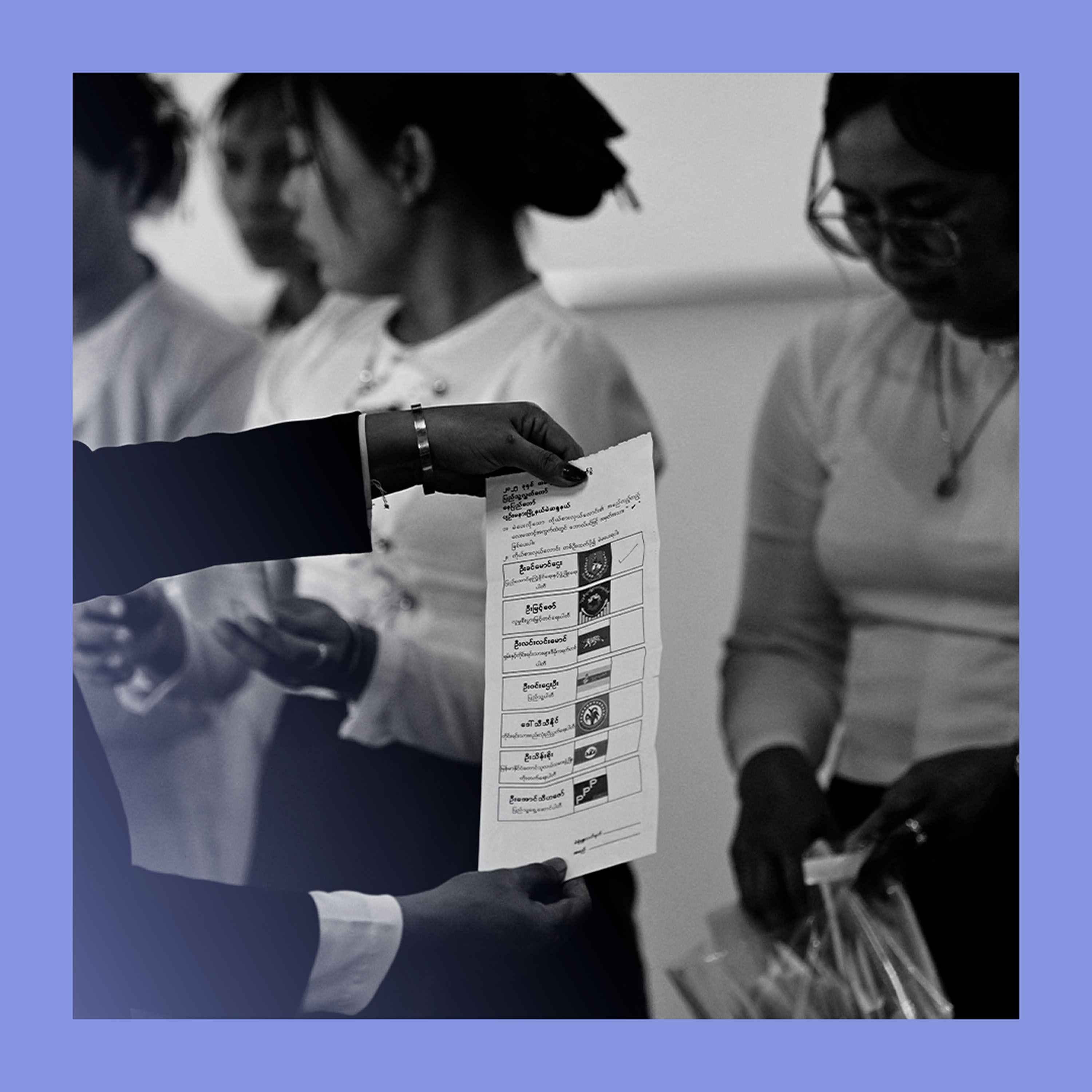
The proliferation of cell phone cameras has fundamentally changed activism. By capturing events from multiple angles, citizens create an irrefutable public record that counters official disinformation and makes the phrase "We see you" a powerful tool for accountability.

Figures like Mao and Stalin had higher death tolls than Hitler, yet Hitler's atrocities are better known in the West. This is because he ran an effective propaganda machine and, upon defeat, Allied forces captured extensive documentation, making his crimes more visible and studied than those of others.

The concept of "Terror" wasn't a later historical invention or a pejorative term. Revolutionaries like Bertrand Barère publicly proclaimed, "Let terror be the order of the day," as a positive, deliberate policy to manage national crises and institutionalize repression against the revolution's perceived enemies.

To document a "seditious" freedom fighter's story in 1980s Poland, a journalist recorded interviews over official regime propaganda tapes because blank cassettes were unavailable. This creative workaround preserved a crucial historical record by literally layering the resistance narrative over state propaganda.
Top photojournalists like Abbas Atar operate beyond the daily grind of selling images to news outlets. They are often driven by lifelong, thematic passion projects. Abbas, for instance, spent his career documenting the effect of religion on societies, including a seven-year project on jihadism post-9/11.