Get your free personalized podcast brief
We scan new podcasts and send you the top 5 insights daily.
In the AI era, "consciousness"—defined as an inner knowing or intuition that transcends measurable science—is more valuable than raw intelligence. This quality allows individuals to access novel insights and exercise judgment on AI outputs in a way that machines cannot replicate, making it the ultimate human advantage.

Related Insights
In an AI-driven world, intuition becomes a critical business skill. AI can produce outputs that are factually correct but contextually misleading or wrong. A developed intuition, or a 'gut feeling', allows professionals to spot these inconsistencies and apply human judgment, a capability that AI cannot replicate.
Just as the Industrial Revolution devalued physical strength, AI is devaluing raw intellectual output. As intelligence becomes abundant, value moves to uniquely human qualities like judgment, intuition, taste, and wisdom. AI can determine what is probable, but only humans can decide what is worth wanting.

When AI can outperform any expert in pure knowledge domains, the value of 'what you know' plummets. The new currency becomes wisdom: embodied skills like emotional clarity, discernment, and reading a room. These abilities, learned through experience, cannot be replicated by models, making them indispensable.
As AI handles technical tasks, the value of hard skills diminishes. The most crucial employee traits become "human" qualities: buying into the company vision, emotional intelligence, and self-awareness. These are the new competitive advantages in talent acquisition.
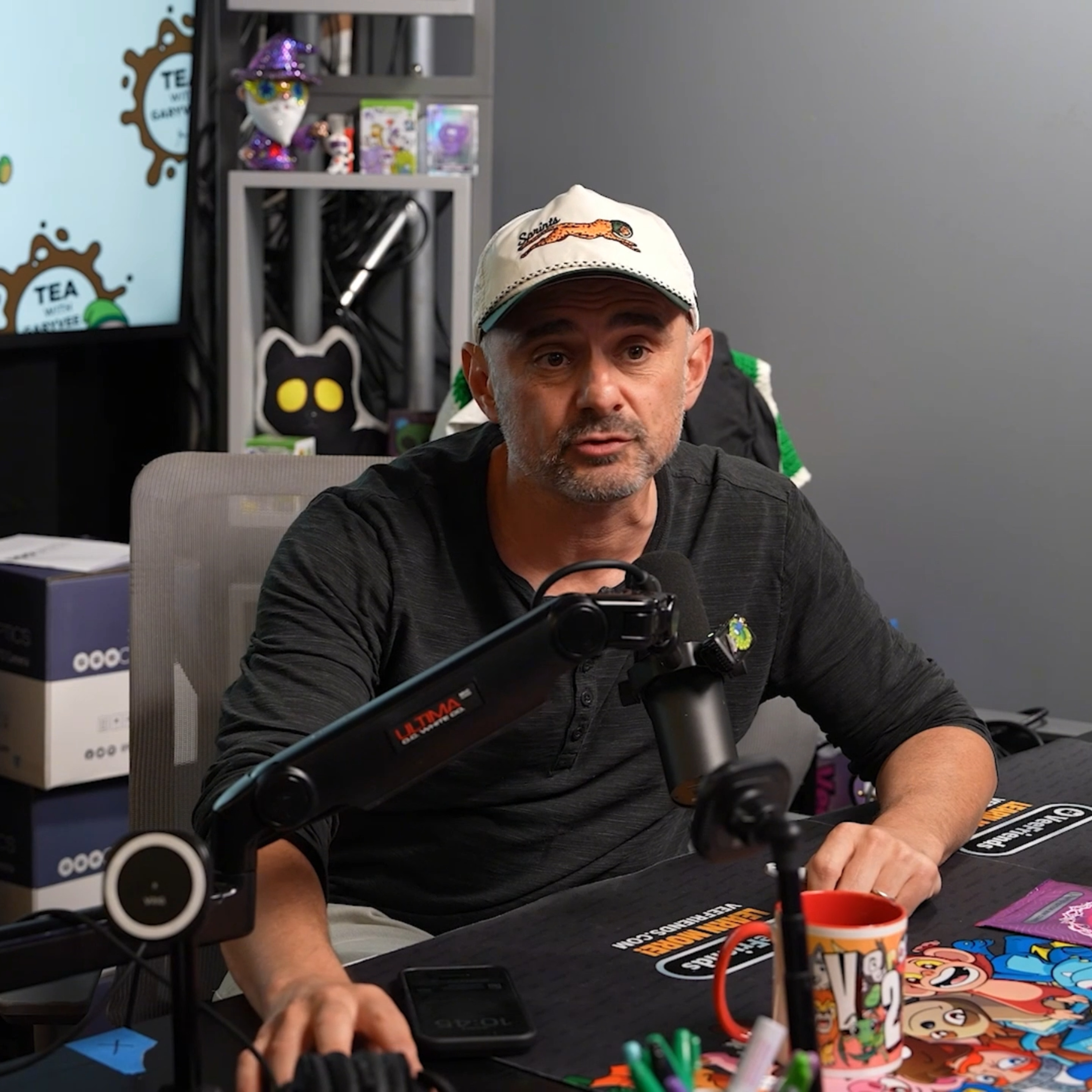
As AI handles analytical tasks, the most critical human skills are those it cannot replicate: setting aspirational goals, applying nuanced judgment, and demonstrating true orthogonal creativity. This shifts focus from credentials to raw intrinsic talent.

As AI transforms intelligence into a cheap utility, the competitive advantage is no longer knowing the most. Instead, value lies in discernment: applying creativity, judgment, taste, and ethics. The critical skill becomes identifying what truly matters, making wisdom more valuable than raw information.

As AI automates orchestration and process management, the primary human contribution shifts to "taste making." This is the unique ability to apply judgment, creativity, and strategic nuance to elevate AI-generated work from average to exceptional, making it a critical new skill.
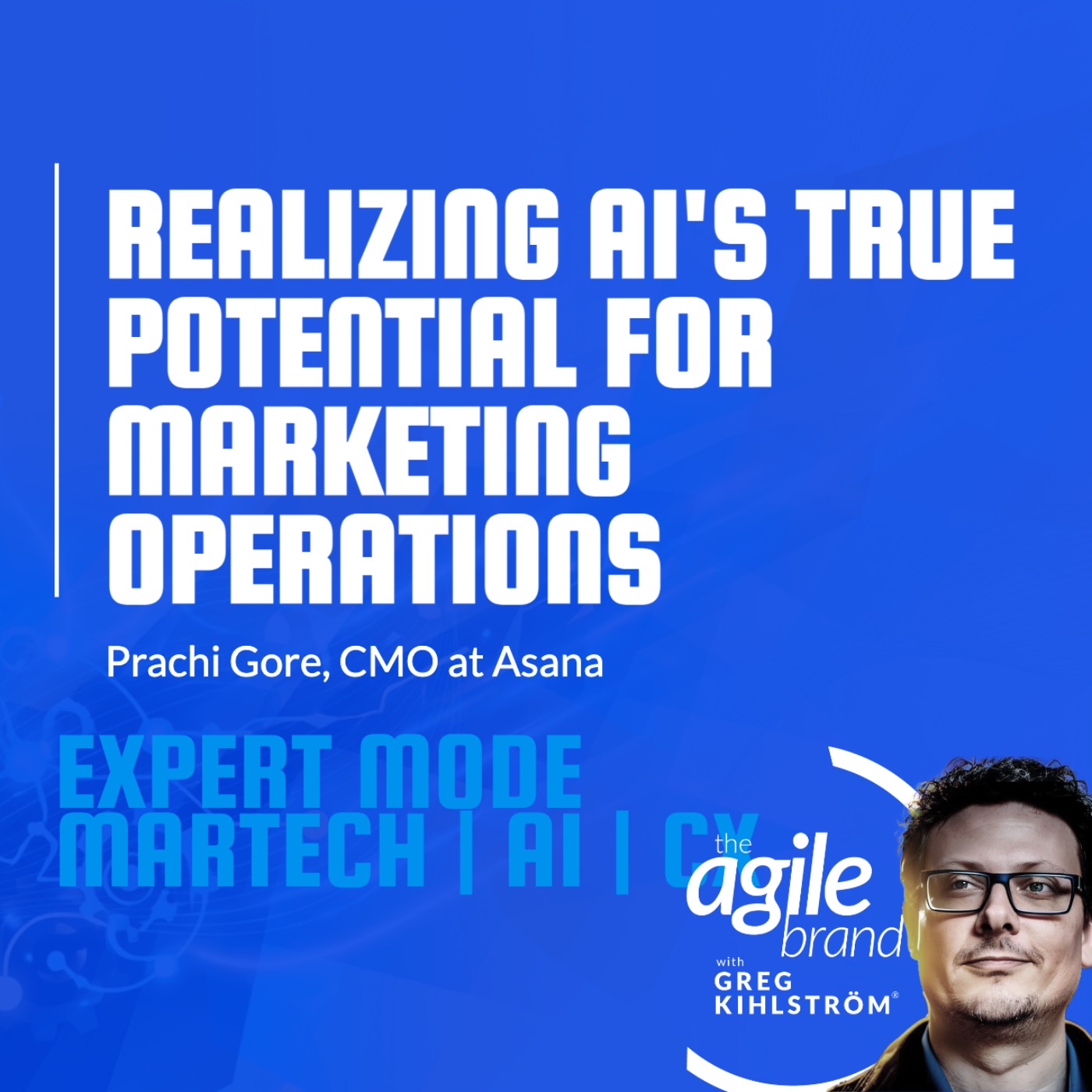
As AI commoditizes skills and creative output, the only sustainable competitive advantage will be your unique human perspective, taste, and embodied wisdom. This is the one thing AI cannot replicate, making authentic humanity the most valuable asset in the AI age.

AI is commoditizing knowledge by making vast amounts of data accessible. Therefore, the leaders who thrive will not be those with the most data, but those with the most judgment. The key differentiator will be the uniquely human ability to apply wisdom, context, and insight to AI-generated outputs to make effective decisions.

Instead of fearing AI's superior cognitive intelligence (IQ), humans should focus on cultivating wisdom, intuition, and embodied intelligence. Dr. el Kaliouby suggests this is a uniquely human advantage that technology cannot replicate, allowing us to leverage AI without being defined or replaced by it.
