Get your free personalized podcast brief
We scan new podcasts and send you the top 5 insights daily.
Jerome Powell's tenure as Fed Chair should be evaluated with two distinct report cards. He earned a 'B' for navigating economic crises despite letting inflation run high. However, he earned an 'A+' for his more crucial role: defending the central bank's independence from intense political pressure, thereby protecting a core pillar of the economy.

Related Insights
With Fed Chair Jerome Powell's term ending, attacking him seems irrational. The strategy is likely a signal to intimidate his eventual successor and other committee members, establishing a precedent of White House pressure to ensure long-term institutional compliance on interest rates.
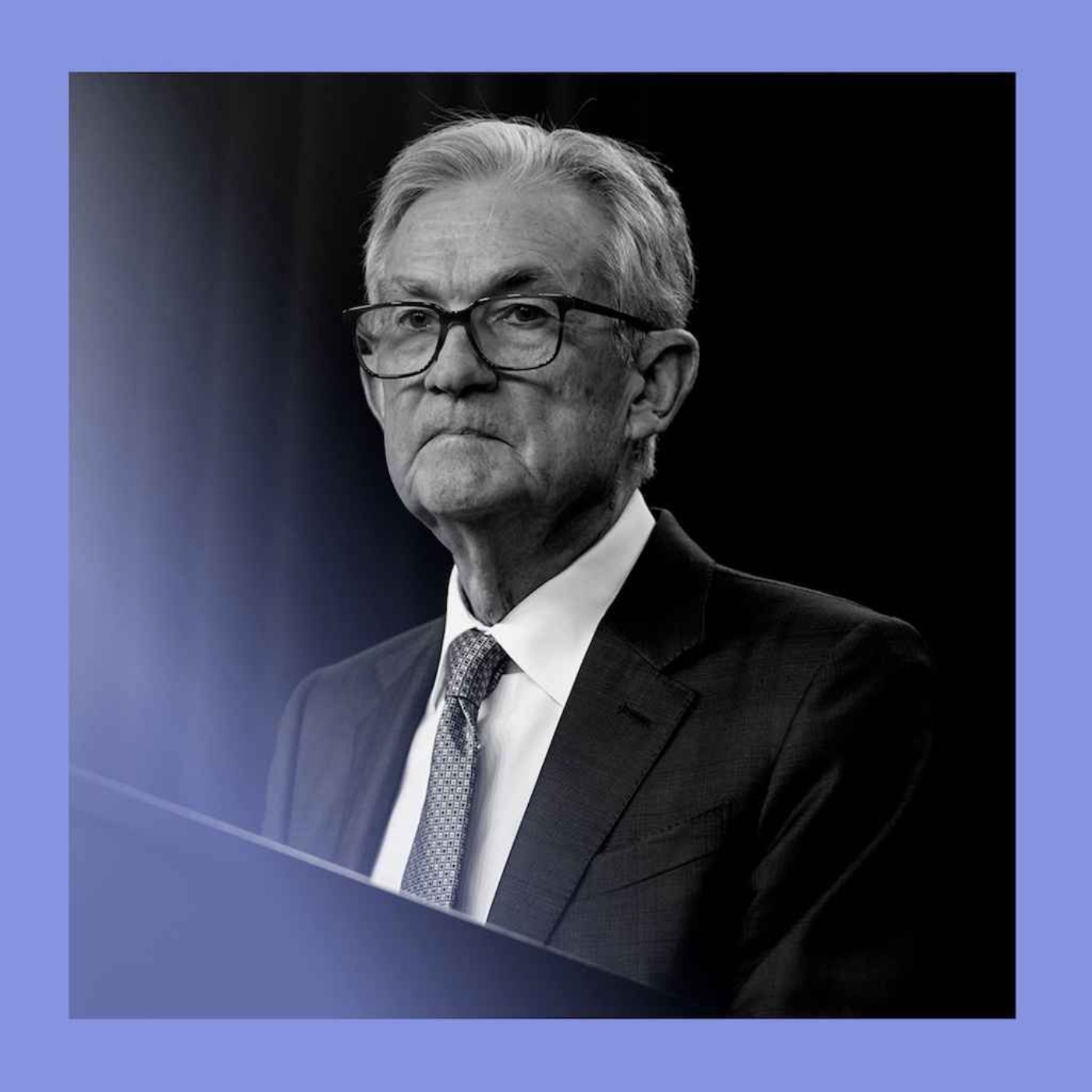
Despite intense political criticism, a coalition including former Fed chairs, Treasury secretaries from both parties, and major bank CEOs has publicly defended the central bank's independence. This signals that markets view a non-politicized Fed as critical for economic stability, overriding political allegiances.

Jerome Powell's decision to stay on the Board of Governors indefinitely after his chairmanship ends is a direct response to perceived threats to the Fed's independence. This move is considered a "massive tell" of his deep concern about political pressure on the central bank.

After his term as chair ends, Jay Powell can remain a Fed governor until 2028. His decision to do so, breaking with tradition, would be a powerful statement. It would signal deep concern about Fed independence under new leadership and an attempt to provide a moderating institutional voice.
Despite the potential for personal financial gain from politically influenced rate cuts, the widespread public support for Fed Chair Jerome Powell during a DOJ investigation underscores a deeply held respect for central bank independence and data-driven policy.

When an institution is under political attack, leaders can follow Jerome Powell's model: remain calm and steady publicly, articulate the facts of the situation clearly, and privately leverage relationships with allies to build a wall of support.

Even if a politically motivated chair is appointed, the Federal Reserve's independence is largely preserved by the Federal Open Market Committee (FOMC) structure. The chair only has one vote and must build consensus among other governors and regional bank presidents, making radical, unilateral policy shifts nearly impossible.
Unlike Fed Chairs defined by their response to massive economic disasters like the 2008 crisis, Jerome Powell's highly effective tenure is less celebrated because he skillfully navigated challenges like the pandemic without a full-blown meltdown. His success is marked by the absence of catastrophe, making his legacy paradoxically less dramatic but no less significant.

The Federal Reserve's independence is crucial for long-term economic stability because it prevents presidents from succumbing to the political temptation of lowering interest rates for short-term popularity, a move that risks spiraling inflation.

In crises like 2008 and 2020, the Fed's perceived independence allowed it to broker vital policy solutions between a divided government. Appointing a figure seen as highly partisan, like Kevin Warsh, risks destroying this institutional trust, potentially paralyzing the Fed's ability to act as a reliable crisis manager when it is needed most.
