Get your free personalized podcast brief
We scan new podcasts and send you the top 5 insights daily.
Major investment cycles like railroads and the internet didn't cause credit weakness because the technology failed, but because capacity was built far ahead of demand. This overbuilding crushed investment returns. The current AI cycle is different because strong, underlying demand is so far keeping pace with new capacity.

Related Insights
The current AI spending spree by tech giants is historically reminiscent of the railroad and fiber-optic bubbles. These eras saw massive, redundant capital investment based on technological promise, which ultimately led to a crash when it became clear customers weren't willing to pay for the resulting products.

The current AI boom is more fundamentally sound than past tech bubbles. Tech sector earnings are greater than capital expenditures, and investments are not primarily debt-financed. The leading companies are well-capitalized with committed founders, suggesting the technology's endurance even if some valuations prove frothy.

The current AI spending frenzy uniquely merges elements from all major historical bubbles—real estate (data centers), technology, loose credit, and a government backstop—making a soft landing improbable. This convergence of risk factors is unprecedented.
Unlike the speculative "dark fiber" buildout of the dot-com bubble, today's AI infrastructure race is driven by real, immediate, and overwhelming demand. The problem isn't a lack of utilization for built capacity; it's a constant struggle to build supply fast enough to meet customer needs.

Vincap International's CIO argues the AI market isn't a classic bubble. Unlike previous tech cycles, the installation phase (building infrastructure) is happening concurrently with the deployment phase (mass user adoption). This unique paradigm shift is driving real revenue and growth that supports high valuations.
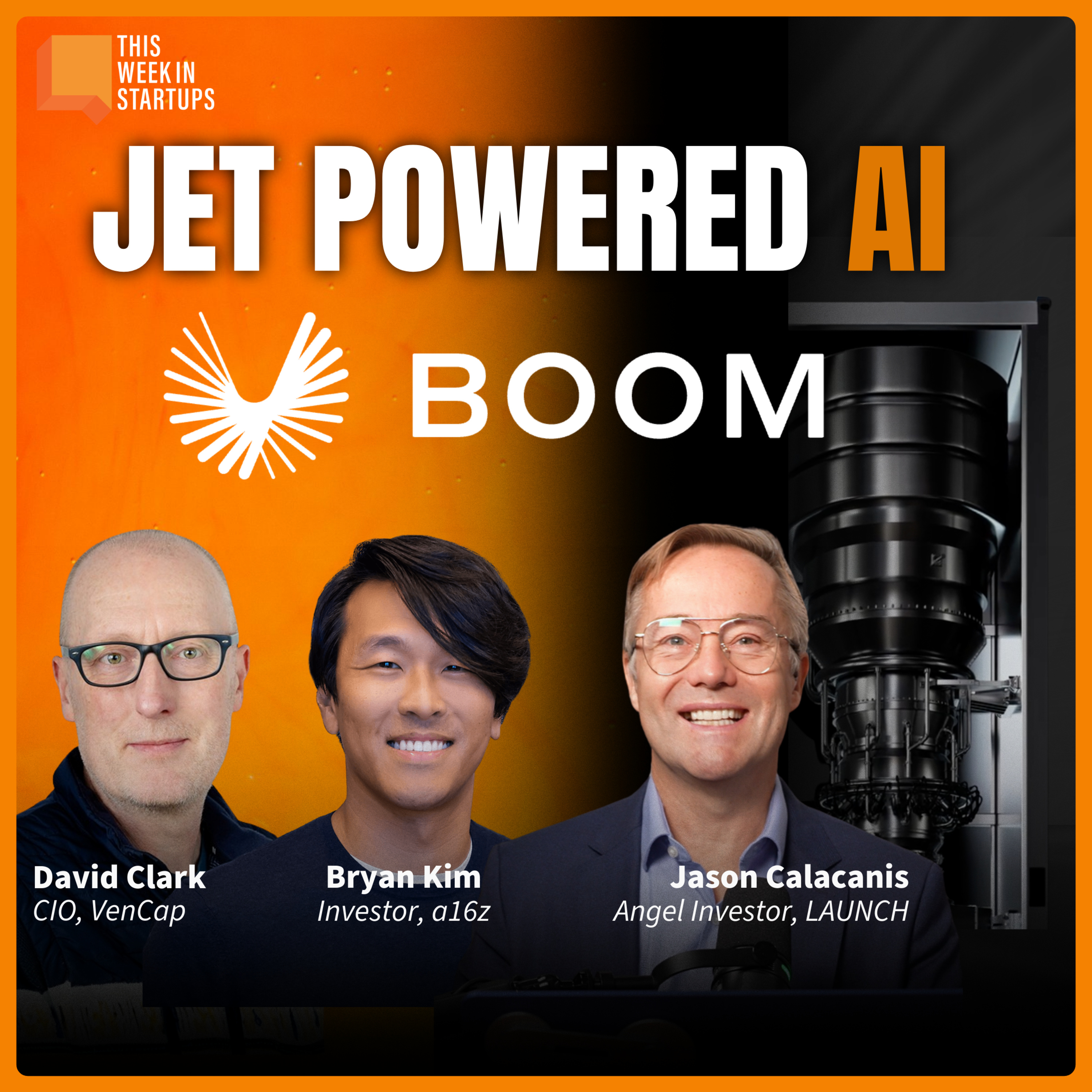
Unlike the dot-com bubble's finite need for fiber optic cables, the demand for AI is infinite because it's about solving an endless stream of problems. This suggests the current infrastructure spending cycle is fundamentally different and more sustainable than previous tech booms.

Unlike the dot-com or shale booms fueled by less stable companies, the current AI investment cycle is driven by corporations with exceptionally strong balance sheets. This financial resilience mitigates the risk of a credit crisis, even with massive capital expenditure and uncertain returns, allowing the cycle to run longer.
While the current AI phase is all about capital spending, a future catalyst for a downturn will emerge when the depreciation and amortization schedules for this hardware kick in. Unlike long-lasting infrastructure like railroads, short-term tech assets will create a significant financial drag in a few years.

The massive capital rush into AI infrastructure mirrors past tech cycles where excess capacity was built, leading to unprofitable projects. While large tech firms can absorb losses, the standalone projects and their supplier ecosystems (power, materials) are at risk if anticipated demand doesn't materialize.

Michael Burry, known for predicting the 2008 crash, argues the AI bubble isn't about the technology's potential but about the massive capital expenditure on infrastructure (chips, data centers) that he believes far outpaces actual end-user demand and economic utility.