Get your free personalized podcast brief
We scan new podcasts and send you the top 5 insights daily.
Consumers increasingly frame health-related purchases like fitness trackers and AI health software as investments, not discretionary spending. Mastercard data shows this category growing at ~30% year-over-year, suggesting consumers are less price-sensitive and prioritizing longevity, making it a resilient and high-growth retail segment.

Related Insights
By allowing insurance companies to price plans based on biometric data (blood pressure, fitness), you create powerful financial incentives for people to improve their health. This moves beyond abstract advice and makes diet and exercise a direct factor in personal finance, driving real behavioral change.

Startups are overwhelmingly focusing on rings for new AI wearables. This form factor is seen as ideal for discrete, dedicated use cases like health tracking and quick AI voice interactions, separating them from the general-purpose smartphone and suggesting a new, specialized device category is forming.

To escape the noise of Black Friday, Set Active created 'Set Miss,' a branded sales event in December. This strategy helps them stand out from competitors by creating their own sales moment. The event has become so successful that it rivals or even surpasses their traditional Black Friday performance.

Contrary to the belief that late-night shopping is for small, impulsive buys, data reveals it's when consumers purchase big-ticket items like airfare and appliances. This "vampire shopping" trend suggests a period of focused, uninterrupted decision-making for busy consumers, creating a key sales window.

Rapidly aging populations in China, Japan, and Korea are creating a broad 'longevity economy'. Investment drivers extend beyond traditional healthcare and pharma into sectors like affordable healthy foods, specialized wealth management, and pension system reforms, creating a comprehensive new consumer and financial market.

In a world of automated ease, corporate gifting and event 'swag' are changing. Mass-produced, low-effort items are losing value. The new status symbol is the hyper-personalized gift that proves deep knowledge of the recipient, signifying power, taste, and genuine human thought.
DoorDash data shows a 30% surge in late-night toothbrush orders on weekends beginning in the fall. This transactional data provides a concrete, real-time metric for the cultural trend of "cuffing season," showing how commerce platforms can uncover nuanced social behaviors that traditional surveys might miss.
For high-end brands hesitant to offer discounts, Apple's model is ideal. They sell products at full price but include a substantial gift card for future purchases. This drives sales and encourages repeat business without ever putting the core product "on sale," thus preserving brand prestige.

E-commerce and online platforms are more than just a sales channel; they are a primary reason for consumer resilience. Digital tools provide consumers with greater spending flexibility and enhanced price discovery capabilities. This allows them to better manage their budgets and tolerate inflationary pressures by finding the best value, thus sustaining spending.
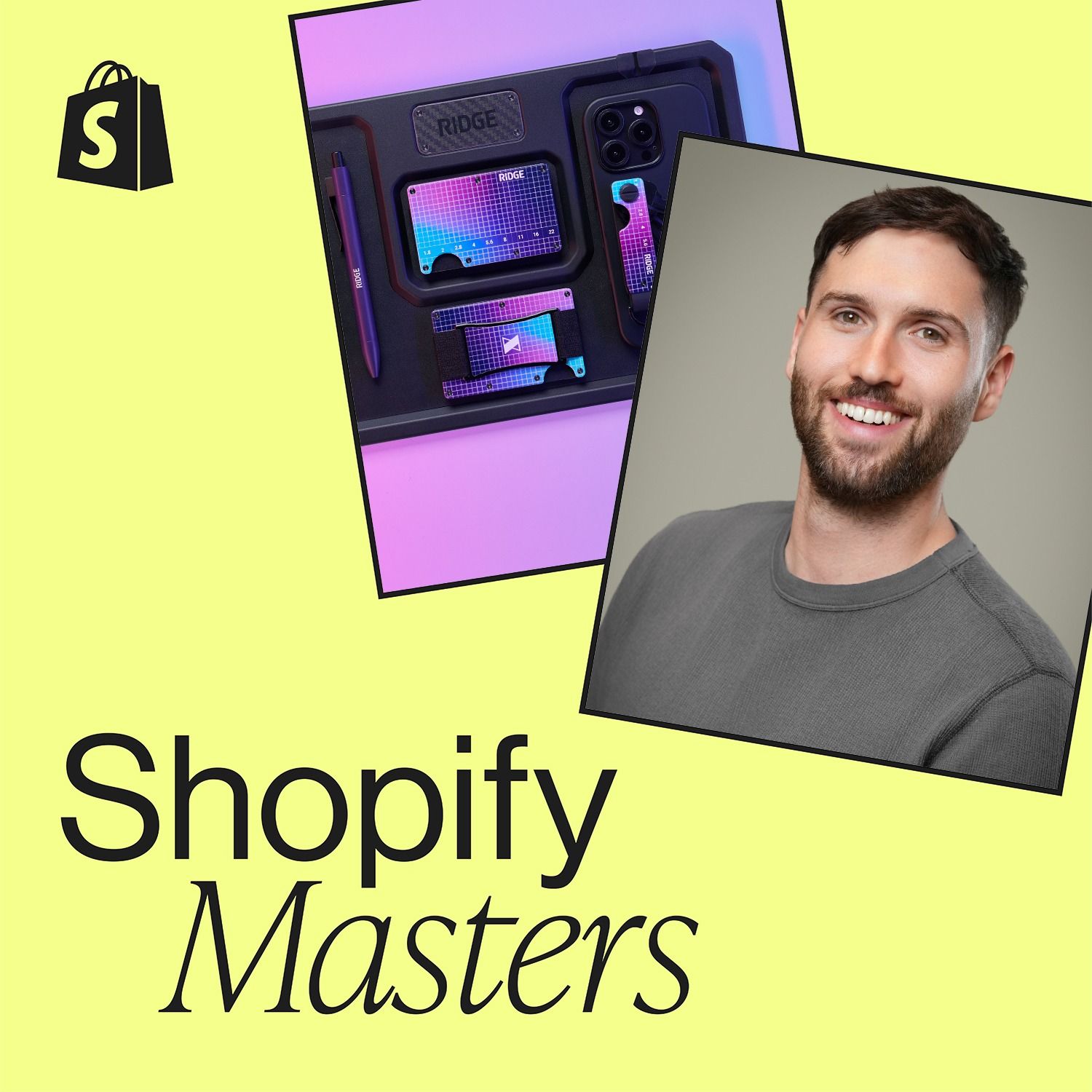
Ridge Wallet succeeded in a crowded market not just by innovating on product, but by framing it as the ideal gift for men. This strategy circumvents typical purchase friction and taps into seasonal buying behavior, solving the “what to buy?” problem for consumers.