Get your free personalized podcast brief
We scan new podcasts and send you the top 5 insights daily.
Opendoor's recovery from a near-delisting is viewed internally not just as a financial rebound but as a "second or third birth." This narrative highlights the critical role an external community of believers plays in giving a struggling company a new chance, emphasizing that you must lean into that support rather than hide from it.

Related Insights
The public instinctively places every company on a story arc with a rise, peak, and fall. Founders must actively shape the perception that their company is still on the upward slope. Being seen as pre-peak inspires confidence, while being seen as post-apex invites negative assumptions.

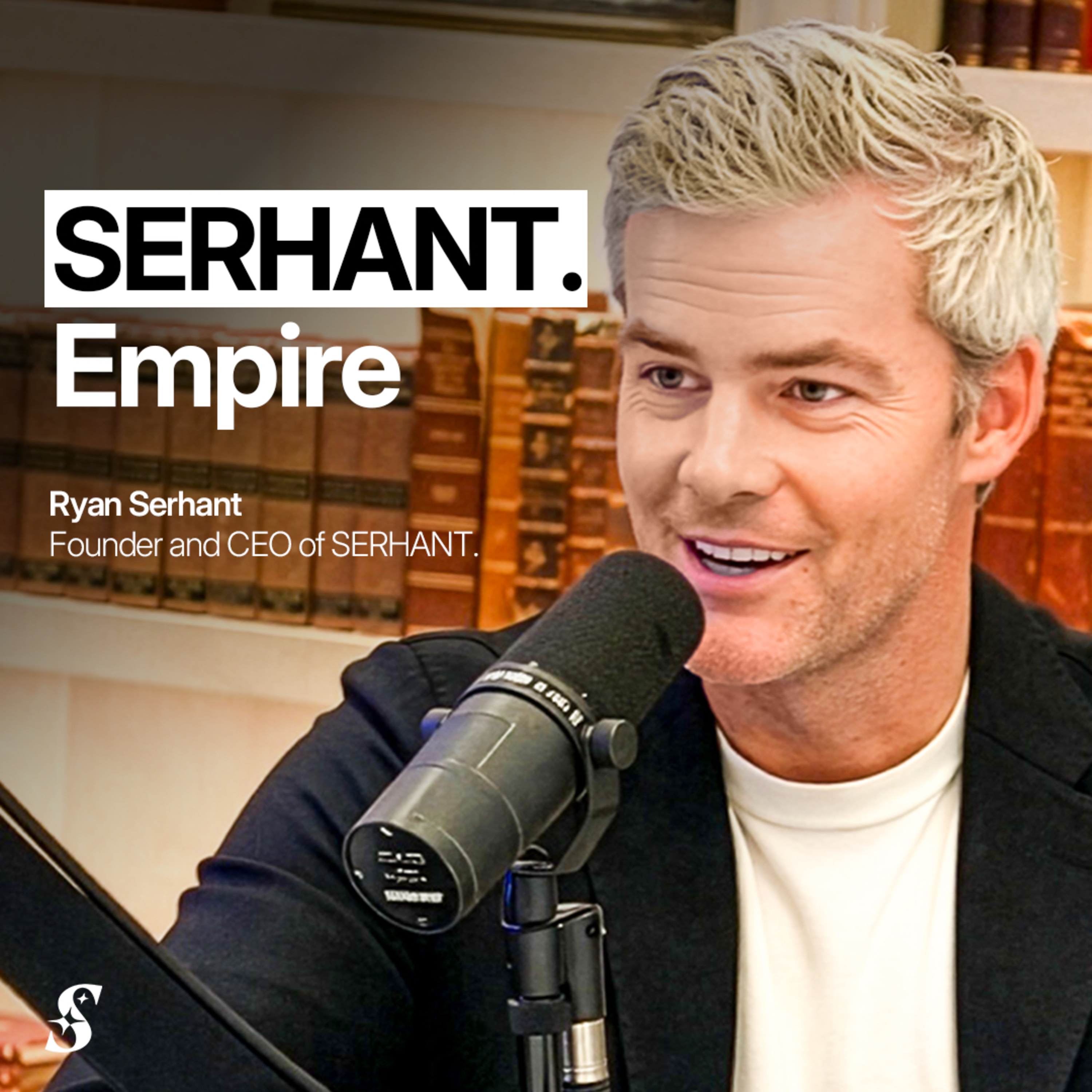
To convert an audience into a community, leaders must show vulnerability. People connect emotionally with struggles, not just a constant stream of success. Serhant's strategy is to frame his job as losing all day, with wins being a bonus. This creates a relatable culture that fosters loyalty.
In tough times, business survival depends heavily on founder psychology, which is shaped by your inputs and network. A business cannot outperform its owner's mindset. Surrounding yourself with people who help you think and perform better is a crucial defensive strategy for building resilience.

Using the story of a closed factory, Hamdi Ulukaya illustrates that what initially appears to be a devastating event can become a catalyst for unprecedented positive change. This leadership mindset reframes challenges not as setbacks to be endured, but as chances to rebuild stronger.

A successful startup often resembles a cult, requiring a leader who communicates their vision with unwavering, first-person conviction. Hiding the founder behind polished PR spokespeople is a mistake; it neuters the contagious belief required to recruit talent and build a movement against impossible odds.

Birdies founder Bianca Gates argues that real community isn't a marketing tactic. It emerges organically from a founder's genuine need for help, leveraging personal networks for everything from feedback to early sales. This desperation creates authentic early evangelists.

After a major deal collapsed, leaving him in debt, Scott Heimendinger was only able to continue his multi-year project because his wife provided financial support and his friends provided crucial emotional encouragement to keep going.

Thumbtack's "Google death penalty"—being completely de-indexed—was a crisis that could have killed the company. Co-founder Jonathan Swanson reframes this intense period as a favorite experience because it forged team unity and resilience, proving that existential threats can become powerful, positive catalysts.

Behind every massive success story is a moment where the company nearly failed completely—a 'multiply by zero' event. Whether running out of cash or losing a pivotal deal, successfully navigating these near-death experiences is what separates enduring unicorns from forgotten startups.

Unlike many public companies that use "retail investor" as a pejorative term, Opendoor proudly embraces its broad ownership by average Americans. This community, or "army," is seen as a core part of its mission and a source of strength, validating its goal of making homeownership more accessible.