Get your free personalized podcast brief
We scan new podcasts and send you the top 5 insights daily.
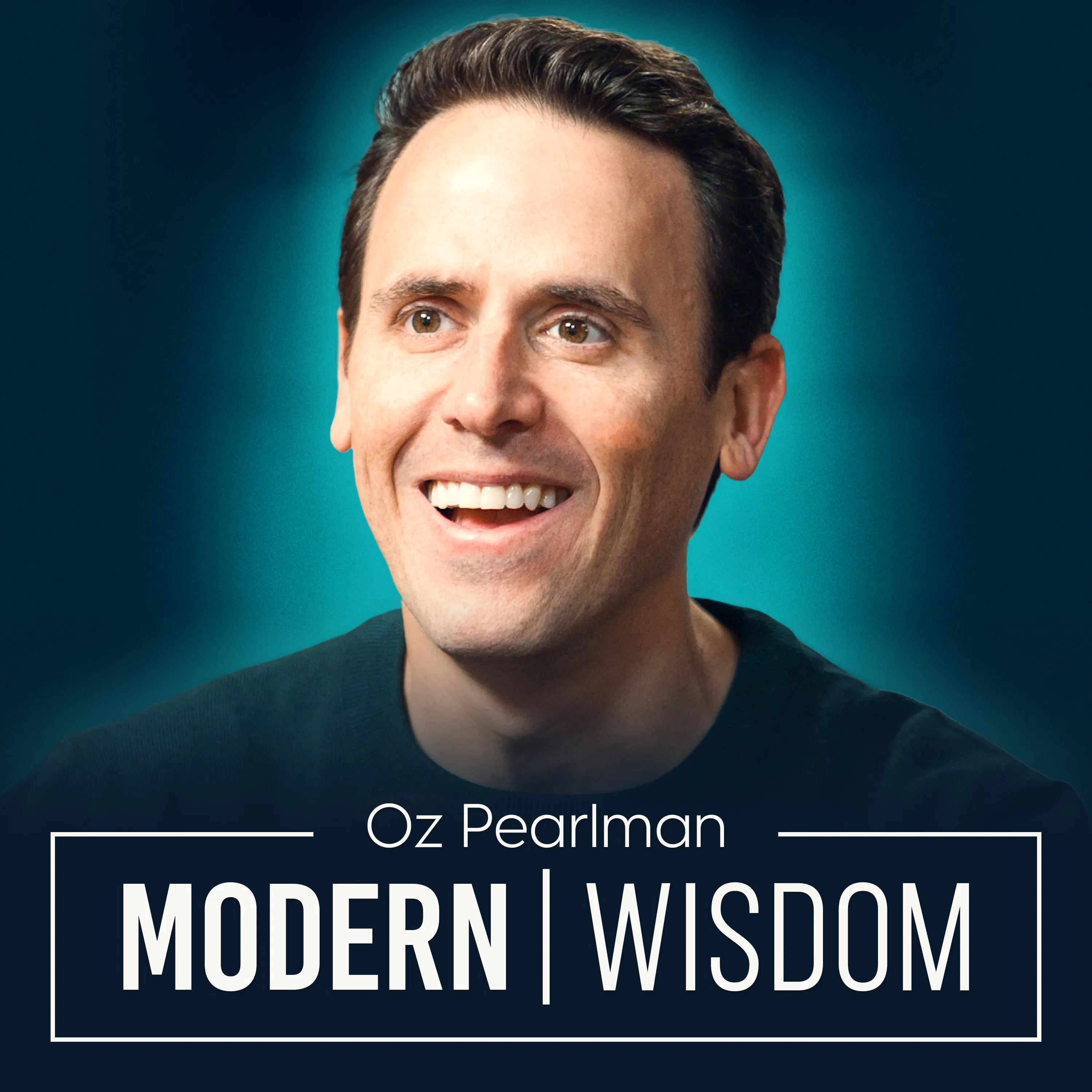
Oz Pearlman's career breakthrough came when he stopped trying to prove his own greatness and started making the experience about the audience. A trick becomes unforgettable not because of the performer's skill, but because it connects directly and personally to the spectator's life, like revealing their date of birth.
Related Insights
Mentalist Oz Pearlman argues his most transferable skills aren't his tricks, but his ability to be remembered, engage people, and build bonds. He considers these interpersonal abilities a "cheat code in life," more critical to long-term success in any field than the technical craft itself.

Mentalist Oz Pearlman explains his work feels like real mind-reading because there's no visible gimmick. Unlike a standard magic trick with props, his method is invisible. This creates a powerful illusion that his skill is an innate ability, not a practiced technique, making it more profound.
Mentalist Oz Perlman aims not for mere entertainment, which is fleeting, but for creating "memorable moments." He knows that the more a person recounts an experience to others, the more vivid it becomes in their memory. Design products and services to be shared and retold.

Mentalist Oz Pearlman intentionally creates very specific, controlled scenarios that look impossible. This single demonstration of an incredible skill leads the audience to generalize his ability to all areas, creating a powerful—though not entirely accurate—impression of universal competence.
To handle constant rejection, mentalist Oz Perlman created a separate professional persona. When a trick was rejected, it was "Oz the magician" who failed, not Oz Perlman the person. This emotional distancing prevents personalizing failure and builds resilience, a crucial skill for any public-facing role.
Actively trying to "be more confident" makes you self-conscious and forces you into your own head. Instead, shift your focus outward to connecting with and serving the audience. This external focus naturally projects confidence as a byproduct, without the self-surveillance.
Like a comedian not stepping on a laugh, a performer should pause and allow audience reactions to build. The most authentic and powerful moments occur when people process what they've seen. This silence turns their reaction into a shared experience, amplifying the performance's impact.
Mentalist Oz Perlman landed more airtime on CNBC than any CEO by tailoring his performance to the network's world: stocks, bonds, and markets. By making his craft relevant to their audience's interests, he became indispensable. To capture attention, obsessively focus on the other person's context and needs.
Oz Pearlman evolved from a magician to a mentalist by eliminating props. This forced him to focus on the core experience: psychological entertainment. This "prop-less" approach makes the product more scalable, resilient, and focused on the true value proposition—the performer—not the tools.
Being fully scripted can make a presentation feel rigid and disconnected from the audience. By intentionally remaining slightly unprepared, a speaker is forced to be more improvisational, responsive, and present. This creates a unique, energetic experience that feels tailored specifically for the people in the room, rather than a generic recording.