Get your free personalized podcast brief
We scan new podcasts and send you the top 5 insights daily.
Despite its origins as a direct-to-consumer (DTC) brand, The Honest Company shifted its website from direct fulfillment to an informational hub that directs customers to retail partners. This acknowledges that consumer behavior has evolved, with fewer people buying single items directly from brand websites.
Related Insights
To become attractive to strategic acquirers like P&G, consumer brands should follow a specific sequence: 1) Launch with a direct-to-consumer site to build brand equity. 2) Scale sales and gain momentum on Amazon. 3) Establish a large footprint in traditional retail. This full omni-channel presence is a necessary condition for a major exit.

The long-term strategy for brands you carry is to go direct-to-consumer, cutting you out. The only sustainable defense for a retailer is to build its own brand equity by creating and marketing its own private-label products, transitioning from a utility to a destination brand.

Traditional websites are static information libraries. As users increasingly conduct their research within AI platforms like ChatGPT, the website's role will shift to become an interactive, "agentic seller" designed for fully-researched visitors seeking a final transaction, not initial discovery.

For emerging brands, the path to retail shelf space is indirect. Instead of pitching buyers, focus on building a powerful direct-to-consumer (DTC) business and capturing the attention of younger demographics online. Retailers, desperate to attract these consumers, will then come to you.
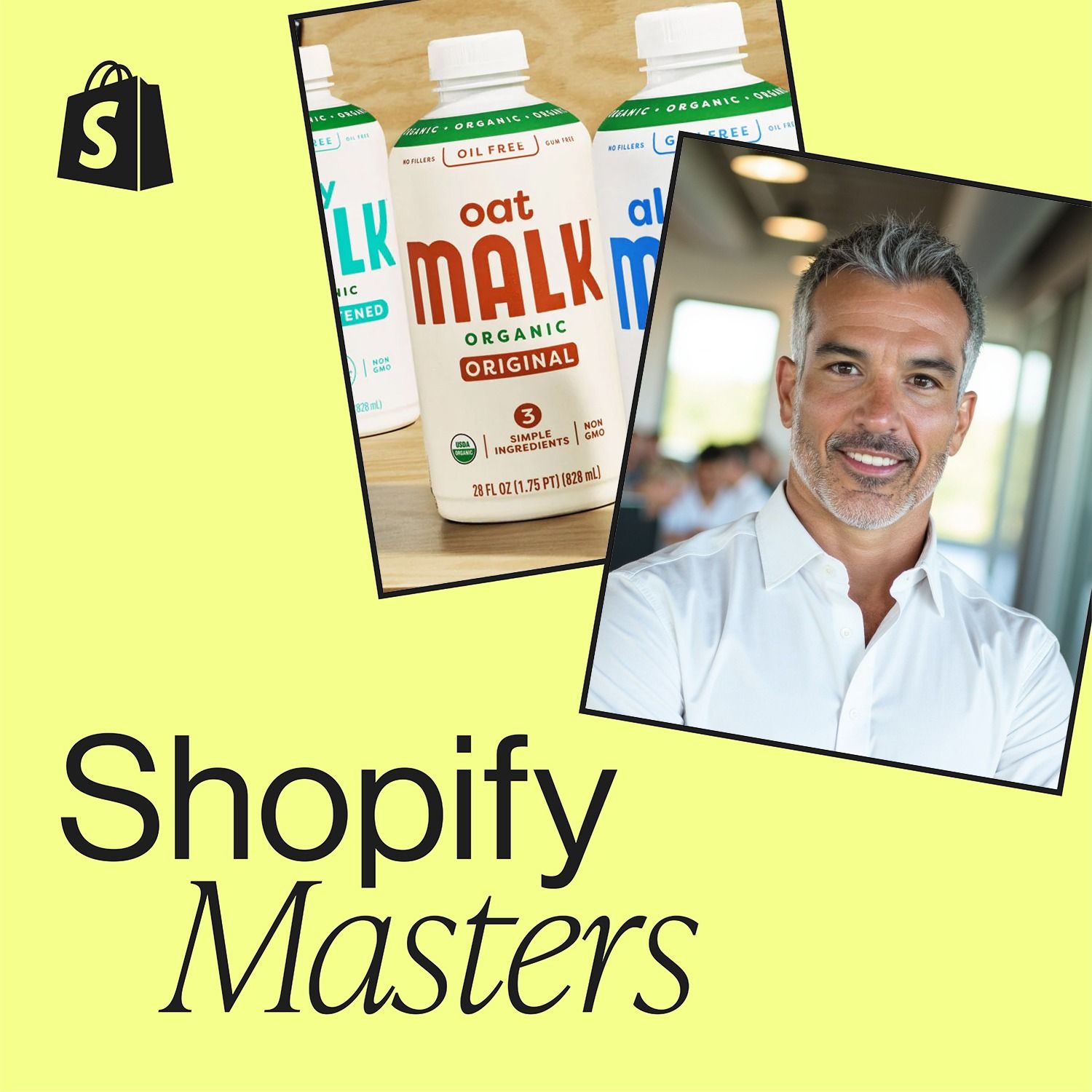
Malk, a retail-focused brand, built a Shopify site not for direct sales but to control messaging, connect with consumers, and gather data. Their site uses technology allowing users to add products to a local retailer's online cart. This creates a valuable, albeit incomplete, data point on purchase intent for a channel that traditionally offers none.
As AI separates brands from the point of purchase, B2C marketers must learn from industries used to intermediaries. They can adopt CPG strategies for being top-of-mind without controlling checkout, and B2B tactics for influencing customers who complete most research before direct engagement.

Despite its heritage in diapers and wipes, The Honest Company discovered over half its customer base has no children. This surprising data is driving a strategic shift to broaden the brand's identity and product focus, highlighting the need for companies to continuously challenge core assumptions about their target audience.
Focusing solely on direct-to-consumer (DTC) or wholesale is a failed strategy. Nike's retreat from wholesale and Allbirds' late entry into physical retail both backfired. A balanced, multi-channel presence is now a non-negotiable for consumer brands to meet customer expectations.
Furniture.com's CMO anticipates consumers will increasingly purchase through Large Language Models or super apps. The brand's goal is to be the trusted decision engine within these platforms, regardless of the final point of sale, challenging the centrality of the brand website.

Changing ingrained consumer behavior is incredibly difficult. A more effective strategy is to understand the customer's current world—how they shop and where they look for products—and insert your brand into those existing patterns rather than attempting to create entirely new behaviors from scratch.
