Get your free personalized podcast brief
We scan new podcasts and send you the top 5 insights daily.
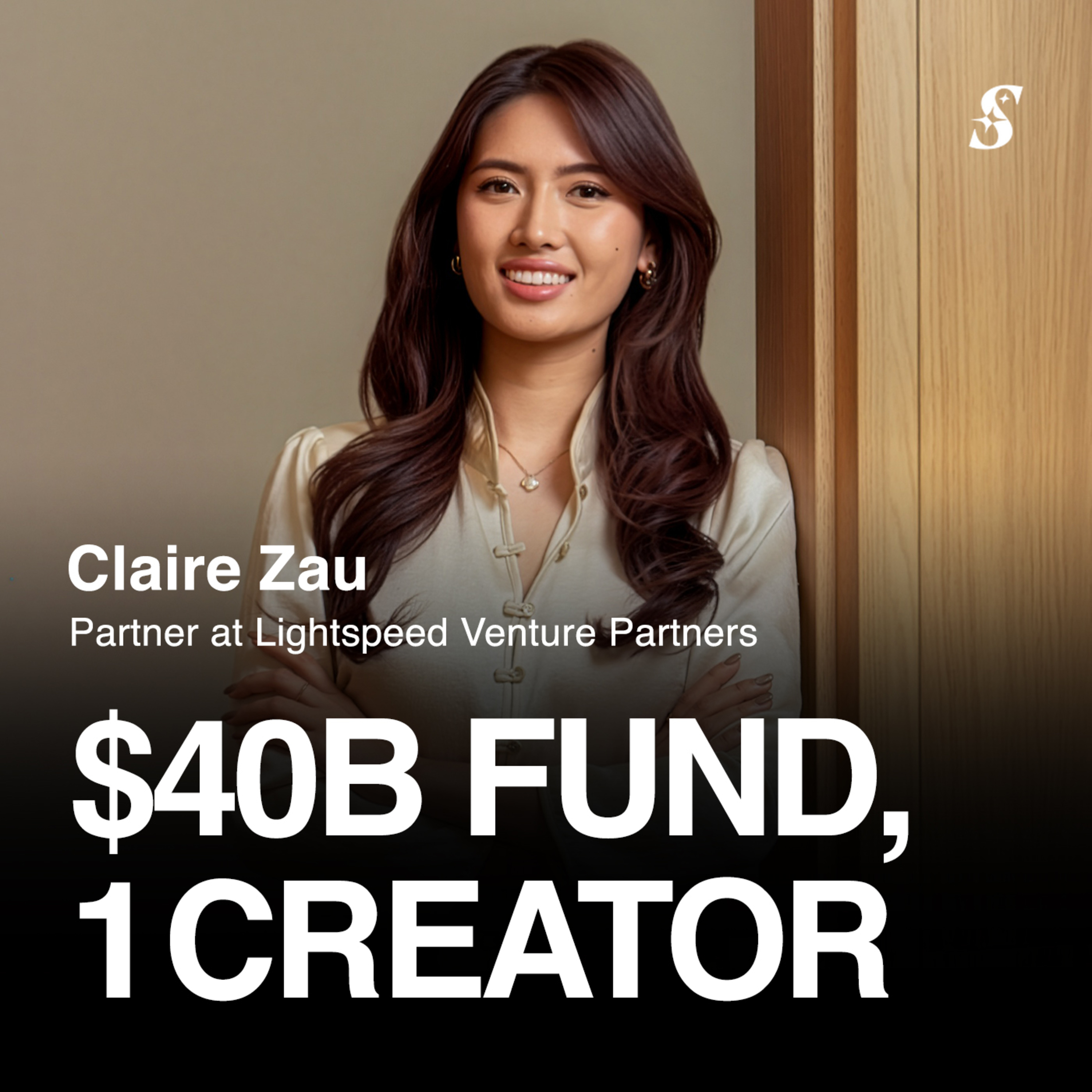
In the highly transactional world of venture capital, creating media offers a powerful way to build trust and credibility at scale before any meeting occurs. It allows investors and founders to establish genuine, non-transactional relationships based on shared ideas and perspectives.
Related Insights
In a world of abundant capital, the ability to command attention for portfolio companies is the key differentiator for VCs. This creates a new competitive dynamic between traditional firms building media arms and influencers moving into venture.

A16z's content strategy allowed entrepreneurs to feel like they "knew" the partners before ever meeting them. This pre-established rapport is a powerful competitive advantage, creating a baseline of trust and alignment that competitors without a public voice lack. It transforms a cold pitch into a warm conversation.

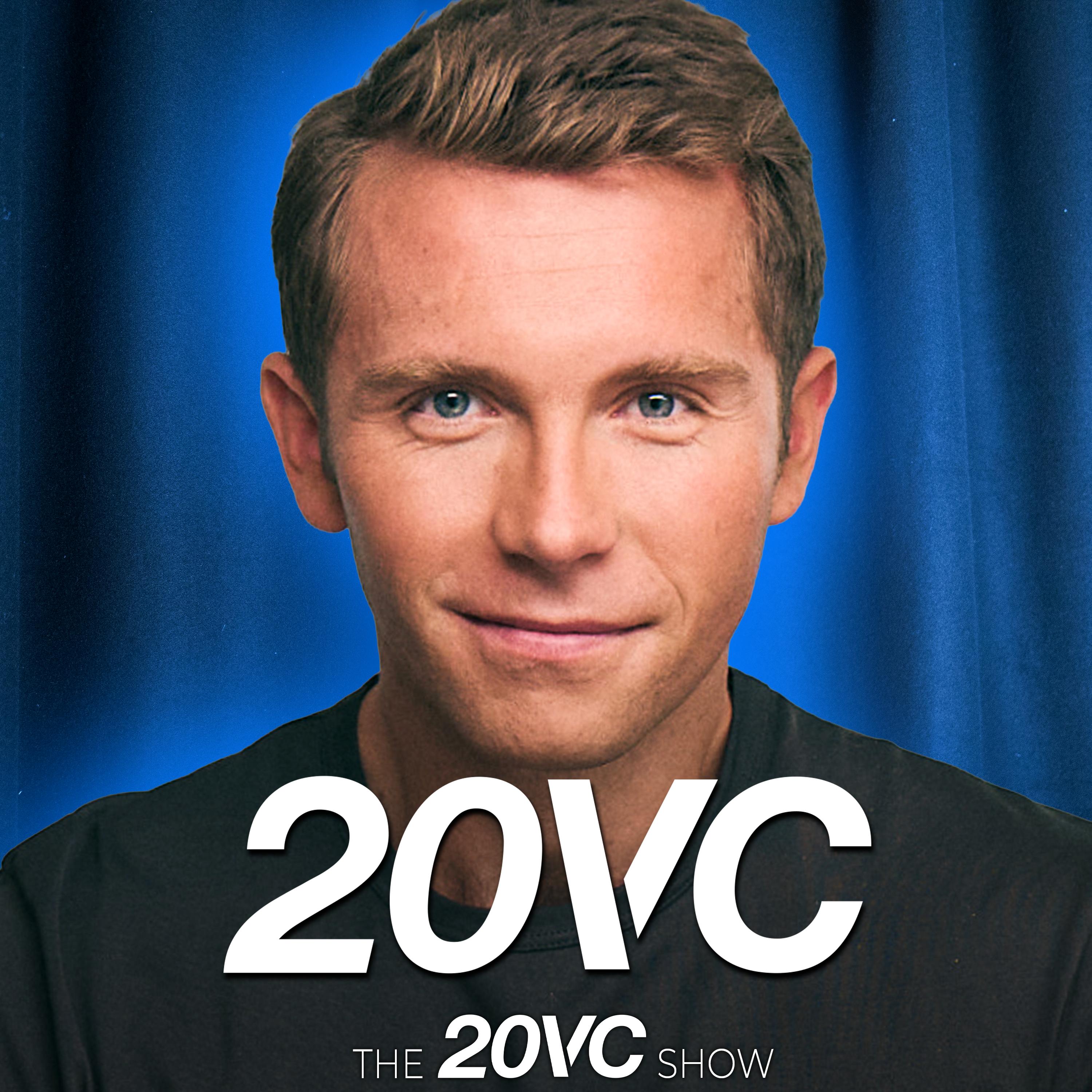
In a crowded venture landscape, a VC's most significant value-add can be their distribution. For example, a single LinkedIn post from Harry Stebbings about a portfolio company generated $4 million in revenue for them. This demonstrates how a VC's audience can provide tangible, immediate value far beyond advice or capital.
The core function of a venture capitalist is deeply rooted in storytelling. Investors constantly sell a vision—to founders they want to back, to LPs in their fund, and to internal partners. This makes a hybrid investor-media role a natural extension of a VC's primary job.
An investor's personal brand is an asset, not a conflict. Platforms like 'Zowie Talks' allow for independent idea refinement and public engagement, bringing diverse perspectives and deal flow back to the firm, much like Fred Wilson's influential blog did for USV.
The ideal founder-investor dynamic is built on a shared, unique vision—like being "in on a secret together." When an investor deeply believes in a startup's specific approach, it fosters the trust needed for radical honesty about challenges, which in turn unlocks their network and resources for help.

A podcast isn't just content; it's a tool for building parasocial relationships. This creates a "tuning fork" effect, attracting high-caliber listeners and guests who feel they already know you, leading to valuable real-world connections and opportunities.

Though often perceived as a low-status medium, podcasting provides unparalleled access to the world's most influential people. They participate because they benefit from your work, creating genuine relationships and opportunities that are inaccessible even to founders with significant venture capital backing.

An investment firm can build a powerful inbound deal flow engine by creating media like podcasts and consistent social content. This allows the firm to be more selective with its investments, which in turn becomes a core part of the value proposition to its own investors.

Private equity sourcing has become a tech-driven arms race of scraping data and sending cold emails, treating founders as mere inventory. A more effective, human-centric approach is to create valuable content that passively builds trust and relationships long before a founder is ready to sell. It's a 'give first, get second' model.
