Get your free personalized podcast brief
We scan new podcasts and send you the top 5 insights daily.
When trying to acquire a critical asset like a domain name with no capital, relentless and passionate communication of your vision can be more effective than money. By demonstrating an unwavering belief that you will build a massive brand, you can convince someone that being part of your story is more valuable than a cash payout.

Related Insights
To recruit co-founder Jim Blake away from a lucrative Amazon job, Ryan Anderson couldn't offer money. Instead, he demonstrated deep passion and made a simple promise: "I will be relentless." This shows how vision and commitment can outweigh financial incentives for key early hires.

Founders often fail at fundraising by trying to guess what VCs want to hear about market size or metrics. The most effective approach is to articulate the argument that convinces *you* to work on this company every day. This authentic conviction is more compelling and prevents you from being talked out of your own idea during a pitch.

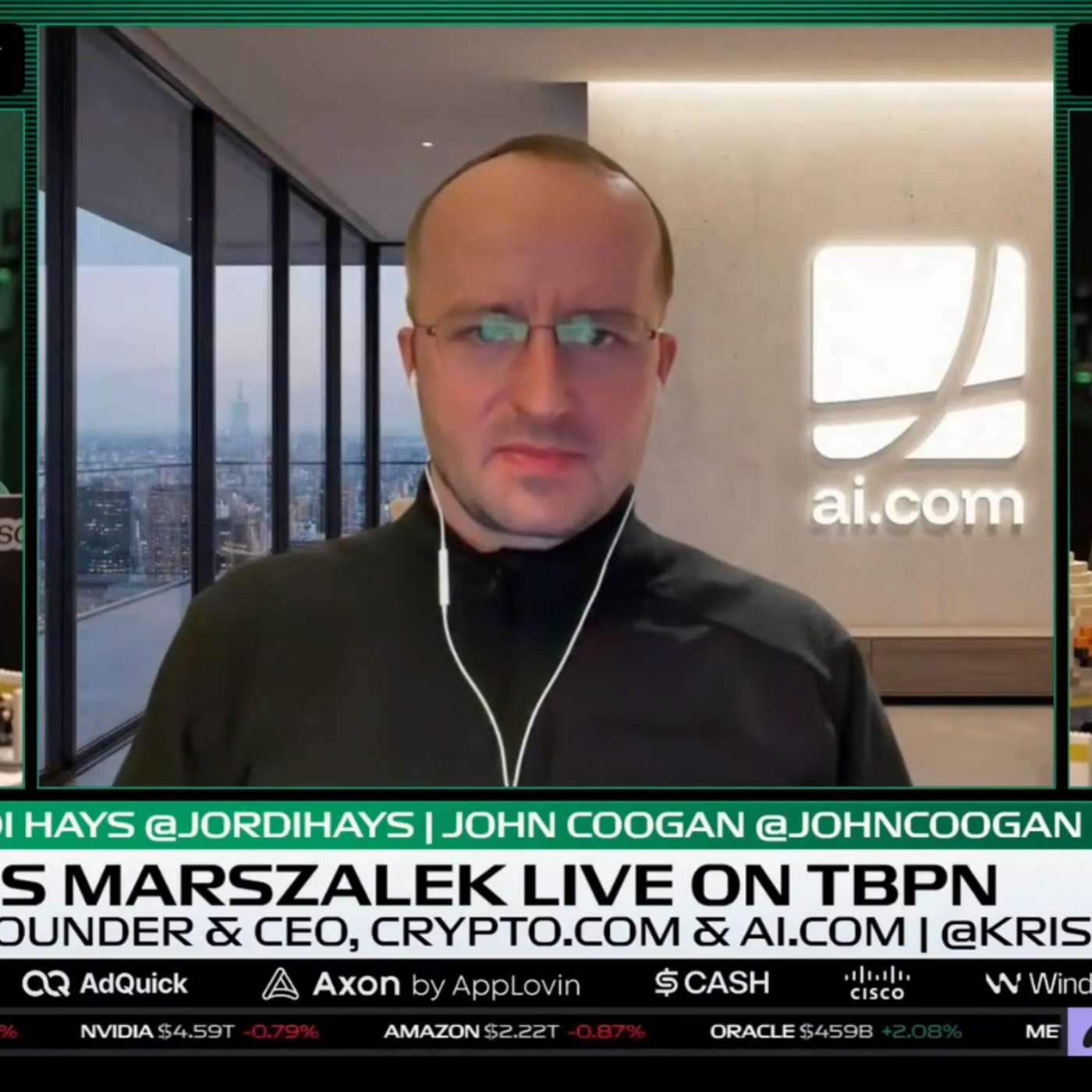
Immediately after acquiring AI.com for $70M, the founder received and rejected an offer exceeding $500M. This demonstrates extreme long-term conviction, prioritizing the potential of building a platform over a massive, quick profit.
Enterprise leaders aren't motivated by solving small, specific problems. Founders succeed by "vision casting"—selling a future state or opportunity that gives the buyer a competitive edge ("alpha"). This excites them enough to champion a deal internally.

The best founders, especially in complex fields, don't give superficial answers to secure funding. Instead, they demonstrate deep passion and expertise by enthusiastically pulling investors into the intricate details and underlying principles of their domain.
![Scott Nolan - SpaceX, Founders Fund, and Rebuilding American Uranium Enrichment - [Invest Like the Best, EP.467] thumbnail](https://megaphone.imgix.net/podcasts/5edee546-3776-11f1-b41d-a76759576e87/image/908aaa6e87baf2b3d364892c4b7f9fd8.jpg?ixlib=rails-4.3.1&max-w=3000&max-h=3000&fit=crop&auto=format,compress)
Instead of focusing on transactional details, Milliken's M&A lead connects with founders on an emotional level. By understanding their ultimate vision, he frames the acquisition as the fastest path to achieving their dream, a question that has proven highly compelling and effective in closing deals.

Beyond branding, the financial investment in a premium domain name can serve as a powerful psychological forcing function. It solidifies commitment to a new project, increasing the likelihood that a founder will follow through and see it to completion.

Founders mistakenly pitch a logical case for their startup's viability. The winning pitch isn't about practicality; it's about presenting a massive, almost crazy vision that aligns with a VC's real motivation: the fear of missing out (FOMO) on the next massive company.

Acquiring a founder's "life's work" requires more than a good offer; it demands patience. The speaker recounts a successful acquisition where the seller backed out twice over 1.5 years. Maintaining the relationship and being persistent ultimately secured a highly profitable deal.
The primary driver for great founders is not the accumulation of wealth but the power to control their vision and its execution. Money is simply a predictable byproduct of maintaining control while building a product that improves people's lives.
