Get your free personalized podcast brief
We scan new podcasts and send you the top 5 insights daily.
To recruit co-founder Jim Blake away from a lucrative Amazon job, Ryan Anderson couldn't offer money. Instead, he demonstrated deep passion and made a simple promise: "I will be relentless." This shows how vision and commitment can outweigh financial incentives for key early hires.

Related Insights
At HubSpot, Elias Torres built an exceptional team, hiring future founders of companies like Klaviyo. His strategy was to ignore credentials and instead screen for hunger, grit, and intelligence through conversation. He believes giving people with non-traditional backgrounds a shot is key to finding outliers.

Early-stage startups can't win on salary. The ideal hire is a veteran from a top tech company who has already achieved financial security. They are motivated by passion for the mission, not compensation, and are more likely to accept an equity-heavy package.

When hiring, a candidate with high passion for the subject matter but low experience is more valuable than an experienced candidate with low passion. Skills are teachable, but genuine enthusiasm for the mission is not. This framework helps resolve the common hiring dilemma between potential and polish.

Financial motivation has a ceiling. Once a founder is offered life-changing money, only a deeper drive will push them forward. The best entrepreneurs often have a chip on their shoulder—a desire for revenge against a former rival or redemption for a past failure. This "Count of Monte Cristo" motivation is essential for building massive, enduring companies.

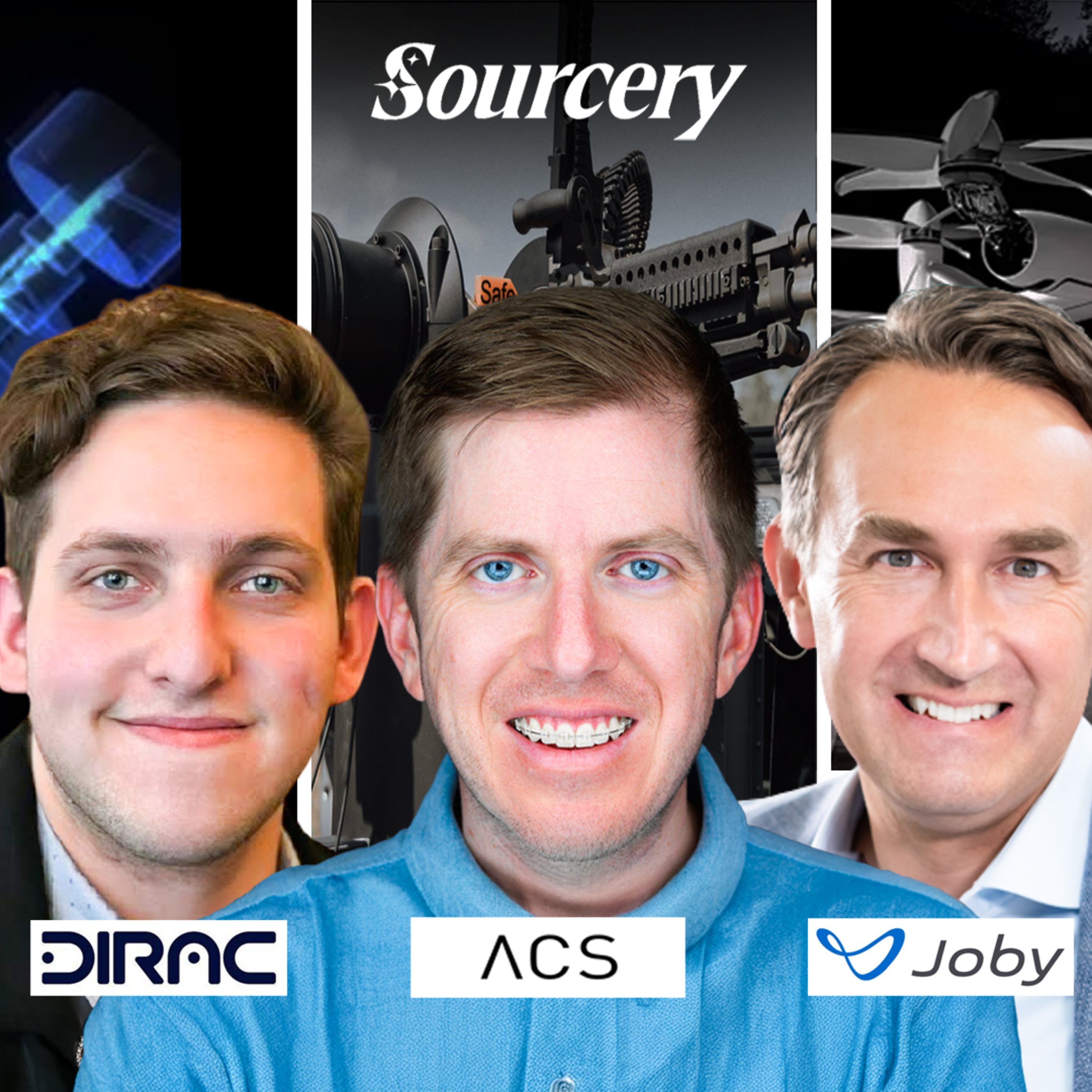
When asked how he recruits talent for a challenging hardware business, the founder of Allen Control Systems stated it's easy because 'We're making the greatest weapon system in American history.' This demonstrates that for deep tech and defense startups, a powerful and ambitious mission can be more effective than conventional recruiting strategies.
The best early hires for a high-potential startup are often experienced professionals willing to check their ego and take a seemingly junior role. This demonstrates immense belief in the company's trajectory and their own ability to grow within it. These candidates prioritize the opportunity over the immediate title.

Lovable prioritizes hiring individuals with extreme passion, high agency, and autonomy—people for whom the work is a core part of their identity. This focus on intrinsic motivation, verified through paid work trials, allows them to build a team that can thrive in chaos and drive initiatives from start to finish without supervision.

Great founders possess a deep-seated, non-financial motivation—like revenge against former rivals or redemption from a past failure. This "Count of Monte Cristo" drive allows them to persevere through extreme hardship and turn down lucrative but premature exits, a key trait VCs look for.

Founders motivated solely by a financial outcome will often quit when faced with a large, early buyout offer. The most resilient founders are driven by a deeper, almost vengeful need to prove others wrong or redeem a past failure, making them unstoppable.

The most resilient founders are motivated by something beyond wealth, like proving doubters wrong (revenge) or recovering from a past failure (redemption). This drive ensures they persevere through tough times or when facing a massive buyout offer that a purely financially motivated person would accept.