Get your free personalized podcast brief
We scan new podcasts and send you the top 5 insights daily.
Decagon's CEO advises against optimizing for senior, big-name VCs at the seed stage. Since no investor can find product-market fit for you, the most valuable trait is a willingness to hustle for intros and provide emotional support. Mid-career partners are often hungrier and have more time to dedicate.
Related Insights
Founders can accurately gauge an investor's future helpfulness by their actions during the pre-investment courtship phase. If an investor is unwilling to provide value when they are most motivated to win the deal, they are unlikely to be a helpful partner later on.
![Jesse Zhang - Building Decagon - [Invest Like the Best, EP.443] thumbnail](https://megaphone.imgix.net/podcasts/2cc4da2a-a266-11f0-ac41-9f5060c6f4ef/image/7df6dc347b875d4b90ae98f397bf1cb1.jpg?ixlib=rails-4.3.1&max-w=3000&max-h=3000&fit=crop&auto=format,compress)
A venture capitalist's career security directly impacts the founder relationship. VCs with a proven track record (like Sequoia's Andrew Reed) act as supportive partners. In contrast, junior or less successful VCs often transfer pressure from their own partnerships onto the founder, creating a stressful and counterproductive dynamic.
Value-add isn't a pitch deck slide. Truly helpful investors are either former operators who can empathize with the 0-to-1 struggle, or they actively help you get your first customers. They are the first call in a crisis or the ones who will vouch for you on a reference call when you have no other credibility.

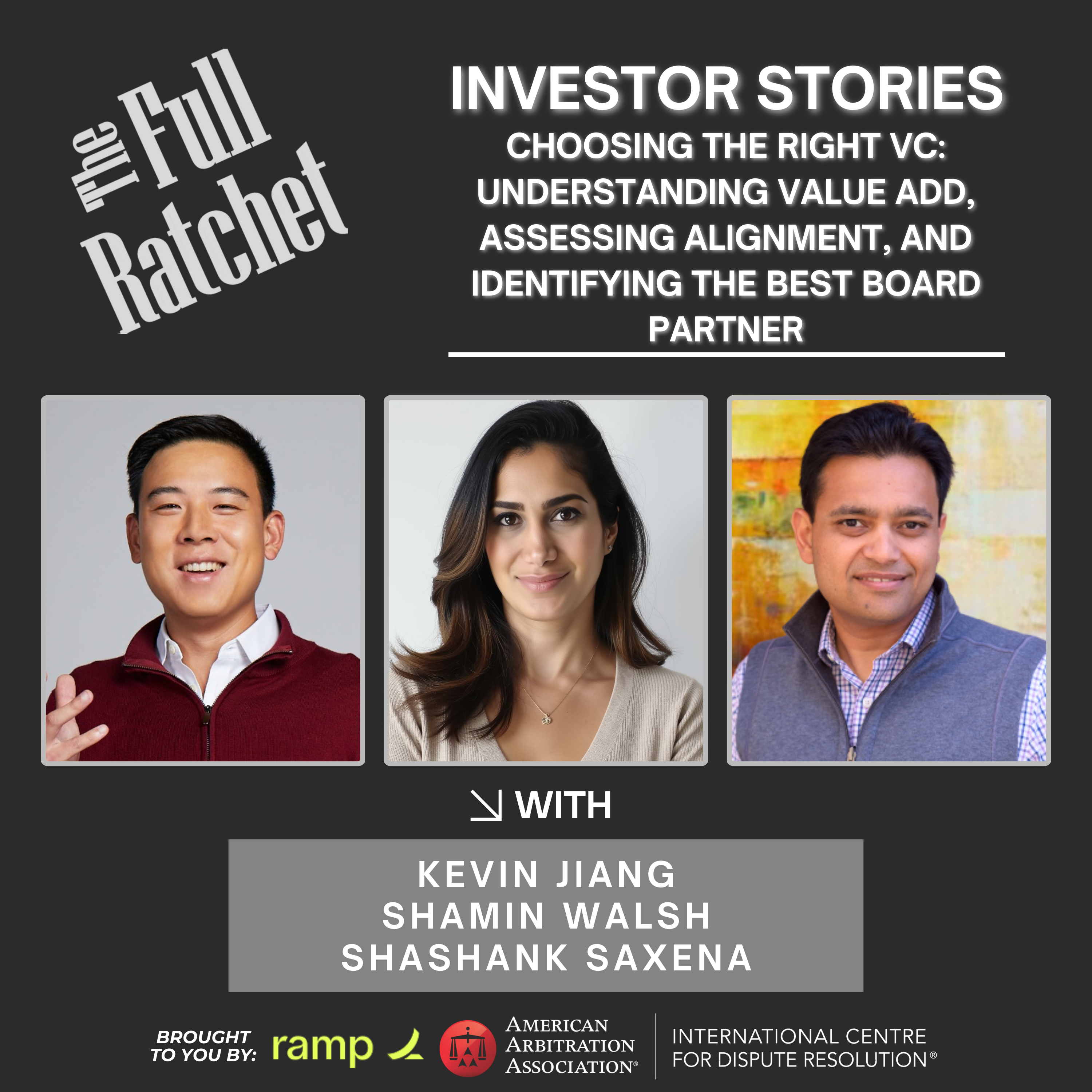
When fundraising, the most critical choice isn't the VC fund's brand but the specific partner who will join the board. Sophisticated founders vet the individual's strengths, weaknesses, and working style, as that person has a more direct impact on the company than the firm's logo on a term sheet.
VCs with operational backgrounds value execution over credentials. They screen for founders who show an instinct to act and build immediately, such as launching a splash page to test demand, before raising capital. This "dirt under the fingernails" is a stronger signal than pedigree.

Instead of targeting a firm's superstar partner, Karri Saarinen chose a less experienced one. His rationale: for an emerging partner, a company like Linear becomes one of their most important investments. This ensures they are highly motivated to work hard and champion the company within the firm, leading to more dedicated support.
While product and market are crucial, the most important factor in an early-stage bet is the founder. This is because most startups pivot significantly. A resilient, adaptable founder who can execute through change is more valuable than a perfect initial idea, leading to the ranking: Founder > Market > Product.

In a market where capital is a commodity, early-stage founders prioritize VCs who provide an immediate, tangible edge. The most valuable contributions are warm introductions to land first customers, network access to secure the next round of funding, and unfiltered feedback from experienced operators.

An investor will never be more motivated to help than when they are trying to close a deal. Decagon's founder suggests giving prospective investors a specific problem or asking for introductions during this courtship phase. Their responsiveness is the strongest signal of their value post-investment.
A common mistake for VCs, especially those with analytical backgrounds, is over-indexing on the "what"—the business model and market. The most critical factor at the seed stage is the "who"—the founder's intrinsic motivation to "walk through walls." This is the hardest element to diligence but the most important.