Get your free personalized podcast brief
We scan new podcasts and send you the top 5 insights daily.
Domain experts with no coding background, like a personal injury lawyer, are now building sophisticated software to solve their own specific problems. This creates a new wave of highly practical applications built outside the traditional tech ecosystem.

Related Insights
A professional with a non-technical background used "vibe coding" (low/no-code AI development) to instantly build highly personalized apps for her own life. These included a house-shopping comparison tool based on her specific trade-offs and a custom meal planner for a friend's diet, showing a new level of personal software creation.

AI will democratize software development to the point where building your own custom apps becomes commonplace. Instead of settling for one-size-fits-all solutions, people will create "personal software" perfectly tailored to their specific workflows, like a custom workout tracker.

As AI handles the complexities of coding, the key differentiator for new startups will shift from technical ability to deep domain knowledge. Martin Shkreli argues that experts from industries like oil and finance can now directly build solutions for problems they understand intimately, without needing a programming background.

The barrier to creating software is collapsing. Non-coders can now build sophisticated, personalized applications for specific workflows in under an hour. This points to a future where individuals and teams create their own disposable, custom tools, replacing subscriptions to numerous niche SaaS products.

AI is democratizing software development by enabling non-technical subject-matter experts to build their own tools. By simply describing their ideas, they can generate fully deployed applications, shifting value from technical implementation to market and community insight.

The most significant impact of AI isn't just serving developers or consumers, but dissolving the barrier between them. AI tools empower non-technical creators—filmmakers, writers, solopreneurs—to build complex projects, unlocking a wave of innovation from individuals previously blocked by technical hurdles.
The primary impact of AI coding tools is enabling non-coders to perform complex development tasks. For example, a hedge fund analyst can now build sophisticated financial models simply by describing the goal, democratizing software creation for domain experts without coding skills.
The falling cost of software production is enabling domain experts without technical backgrounds to build highly specific solutions for their own unique problems. These "markets of one," like an app to predict when creeks are runnable, represent a new class of software that was previously commercially unviable.
![Agent Building Trends [Operator Bonus Episode] thumbnail](https://d3t3ozftmdmh3i.cloudfront.net/staging/podcast_uploaded_nologo/41472609/41472609-1752234663609-8665756a468e5.jpg)
The excitement around tools like OpenClaw stems from their ability to empower non-programmers to create custom software and workflows. This replicates the feeling of creative power previously exclusive to developers, unlocking a long tail of niche, personalized applications for small businesses and individuals who could never build them before.
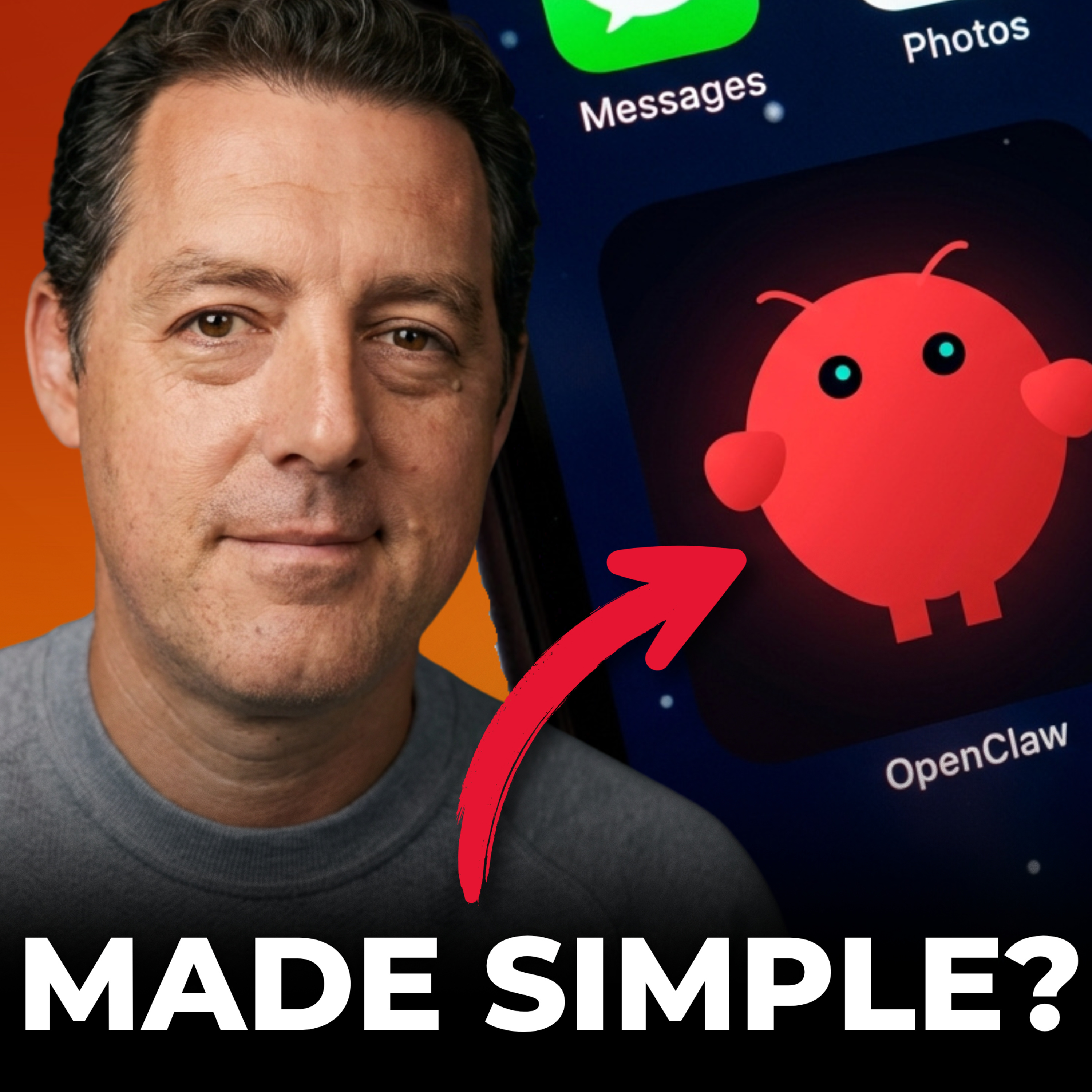
AI coding tools dramatically lower the barrier to software creation, enabling a new wave of 'indie' developers. This will lead to an explosion of hyper-personal, niche apps designed to solve specific problems for small user groups, shifting the focus away from universal, VC-scale software.