Get your free personalized podcast brief
We scan new podcasts and send you the top 5 insights daily.
SpaceX's plan for space-based data centers is driven by more than just engineering advantages like solar power and cooling. It is a strategic move to bypass the immense red tape, regulations, and political backlash that stall and prevent the construction of large data centers on Earth.

Related Insights
The biggest limiting factor for AI growth is energy production, which faces regulatory hurdles and physical limits on Earth. By moving data centers to space with solar power, Elon Musk aims to create an 'N of one' advantage, escaping terrestrial constraints to build a near-infinite compute infrastructure.

Following predictions from Jeff Bezos and investments from Eric Schmidt, Elon Musk has entered the space-based data center race. He stated that SpaceX will leverage its existing Starlink V3 satellites, which already have high-speed laser links, to create an orbital cloud infrastructure, posing a significant challenge to startups in the sector.

The shift to a moon base isn't just about faster space colonization. It's a strategic move to build massive AI and quantum computing data centers off-planet. This bypasses terrestrial energy regulations and solves the immense cooling requirements for these systems, positioning SpaceX to dominate the AI landscape.

China's massive investment in space-based data centers seems counterintuitive, as it faces fewer regulatory hurdles for building on land than the US. This suggests a long-term strategic play to get ahead of future terrestrial constraints on land use, energy consumption, and cooling, effectively "skating where the puck is going" for global infrastructure.

SpaceX is seeking FCC approval for a massive satellite data center network far ahead of its technological capability. This "permission first, technology later" approach is a deliberate strategy to clear regulatory hurdles early, ensuring that when the tech is ready, bureaucratic delays won't slow deployment.

The merger leverages SpaceX's heavy launch capabilities to deploy space-based data centers for xAI, capitalizing on abundant solar power and the vacuum of space for cooling. This creates a massive competitive advantage by eliminating terrestrial energy and real estate costs.
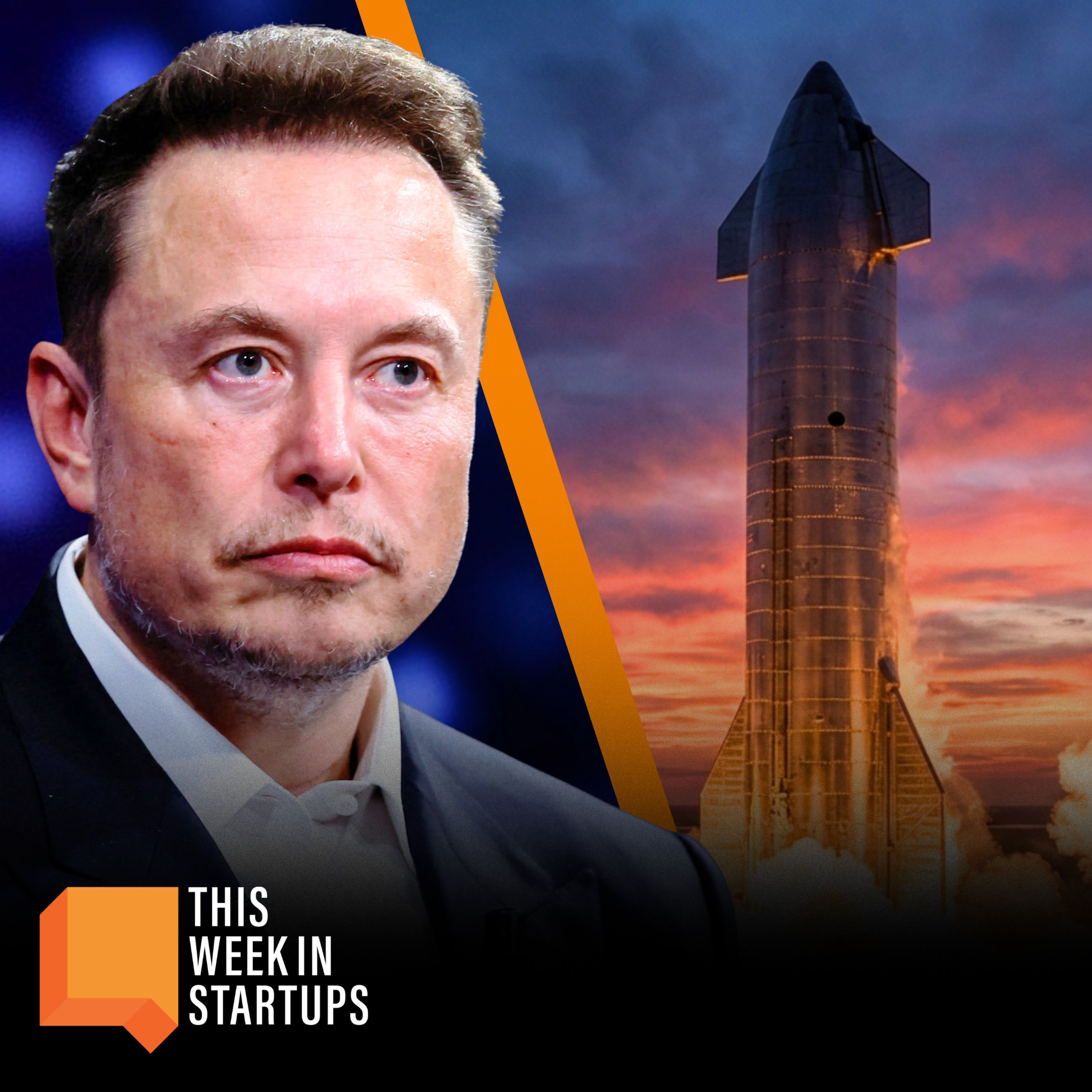
Musk's ambitious plan for space-based data centers is more than a technological dream; it's a strategic response to rising terrestrial opposition. Growing local backlash against data centers creates a future scenario where building on Earth becomes so politically difficult that expensive off-world alternatives become a viable option.
A key rationale for merging SpaceX and Elon Musk's XAI is to fund the development of data centers in orbit. The logic is that space provides free, extreme cooling and unlimited solar energy, solving two of the biggest cost and physical constraints of terrestrial AI infrastructure.

What sounds like science fiction is a practical business strategy. Major AI players are exploring space-based data centers to bypass the slow, complex, and expensive process of securing land permits for terrestrial facilities, addressing a key bottleneck for AI compute expansion.

Beyond potential technical benefits like cooling, a significant economic driver for placing data centers in orbit is regulatory arbitrage. Companies can avoid the lengthy, complex, and often contentious process of securing land and permits for large facilities on Earth.
