Get your free personalized podcast brief
We scan new podcasts and send you the top 5 insights daily.
As passive index funds dominate markets, they become massive but indifferent shareholders. Unlike fundamental investors, they vote proxies based on institutional safety ("CYA") or political agendas, not on what maximizes a specific company's value, which fundamentally warps corporate governance.

Related Insights
Contrary to conventional wisdom, the massive flow of capital into passive indexes and short-term systematic strategies has reduced the number of actors focused on long-term fundamentals. This creates price dislocations and volatility, offering alpha for patient investors.

Daniel Gladys argues that as passive investing grows, fewer participants focus on fundamentals. This widens the gap between a stock's price and its intrinsic value, creating a favorable environment for disciplined value investors who can identify these overlooked opportunities.

Market-cap-weighted indexes create a perverse momentum loop. As a stock's price rises, its weight in the index increases, forcing new passive capital to buy more of it at inflated prices. This mechanism is the structural opposite of a value-oriented 'buy low, sell high' discipline.

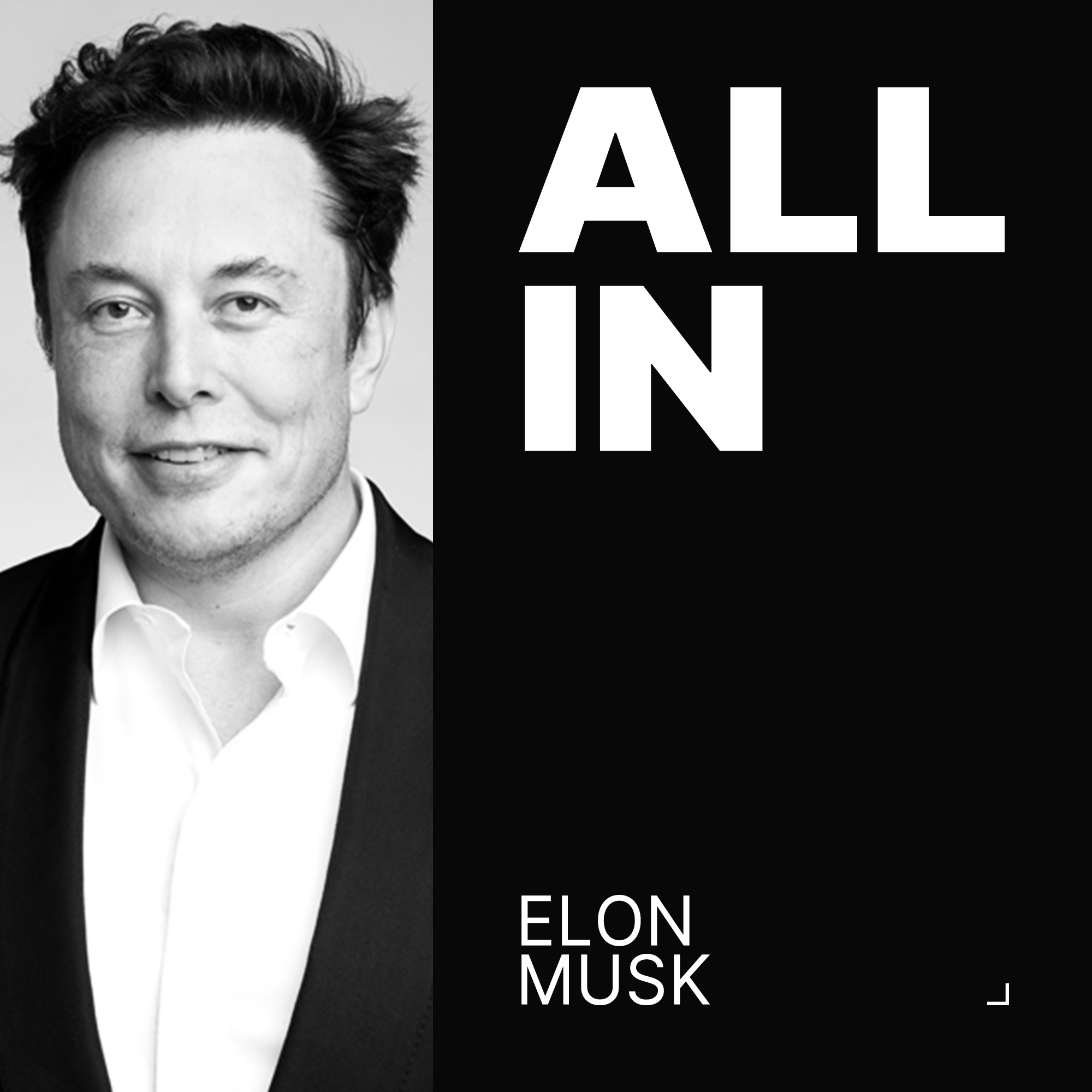
Musk argues that proxy advisory firms, infiltrated by activists, effectively control half the stock market without any fiduciary duty. This creates a risk where they could fire him from Tesla for political reasons, jeopardizing its AI safety mission.
Terry Smith contends that passive investing is mislabeled. It's a momentum strategy that forces capital into the largest companies regardless of valuation. With over 50% of AUM in passive funds (up from <10% in 2000), this creates a powerful feedback loop that distorts markets more than the dot-com bubble ever did.

Jack Bogle's indexing assumed efficient markets where passive funds accept prices. Now, with passive strategies dominating capital flows, they collectively set prices. This ironically creates the market inefficiencies and price distortions that the original theory assumed didn't exist on such a large scale.
Passive funds from firms like Vanguard and Blackrock outsource their proxy voting to advisors like ISS. These advisors advocate for shareholder primacy in ways that are often inversely correlated with long-term value creation, distorting corporate governance at a massive scale.

Created to help ordinary Americans invest cheaply, index funds became so successful that the top four now own over 25% of most large U.S. companies. According to Harvard's John Coates, this runaway success has given them massive, unintended power over corporate governance without a mandate to wield it.

The dominance of passive, systematic investing has transformed public equities into a speculative "ghost town" driven by algorithms, not fundamentals. Consequently, financing for significant, long-term industrial innovation is shifting to private markets, leaving public markets rife with short-term, meme-driven behavior.
In a market dominated by short-term traders and passive indexers, companies crave long-duration shareholders. Firms that hold positions for 5-10 years and focus on long-term strategy gain a competitive edge through better access to management, as companies are incentivized to engage with stable partners over transient capital.