Get your free personalized podcast brief
We scan new podcasts and send you the top 5 insights daily.
Musk argues that proxy advisory firms, infiltrated by activists, effectively control half the stock market without any fiduciary duty. This creates a risk where they could fire him from Tesla for political reasons, jeopardizing its AI safety mission.
Related Insights
The core conflict isn't just about AI philosophy. Both Musk and Altman possess the rare skill of brokering multi-billion dollar capital flows from finance into deep tech. They are direct competitors for controlling this crucial 'trade route' of capital, which is the true source of their animosity.

Elon Musk's newly approved trillion-dollar pay package is less about the money and more about securing 25% voting control of Tesla. He views Tesla's future not in cars but in humanoid robots, and he sought this control to direct the development of this potentially world-changing technology.
Altman’s prominent role as the face of OpenAI products despite his 0% ownership stake highlights a shift where control over narrative and access to capital is more valuable than direct ownership. This “modern mercantilism” values influence and power over traditional cap table percentages.
Activists can be effective even in companies with dual-class shares or founder control. The mechanism for influence is not the threat of a proxy fight but the power of good ideas and relationships to achieve strategic alignment with the controlling party.

Many top AI CEOs openly admit the extinction-level risks of their work, with some estimating a 25% chance. However, they feel powerless to stop the race. If a CEO paused for safety, investors would simply replace them with someone willing to push forward, creating a systemic trap where everyone sees the danger but no one can afford to hit the brakes.

The court nullified Elon Musk's Tesla pay package not because of its size, but because it was a 'conflicted transaction' that wasn't properly 'cleansed.' The board members deciding the pay were not truly independent of Musk, and shareholders weren't fully informed, leaving no impartial decision-maker in the process.

The controversy over OpenAI seeking government loan guarantees highlights a key founder responsibility: maximizing shareholder value by securing any available public funds, even if it creates poor optics. Lobbying for handouts is framed as a strategic best practice, not a moral failing.

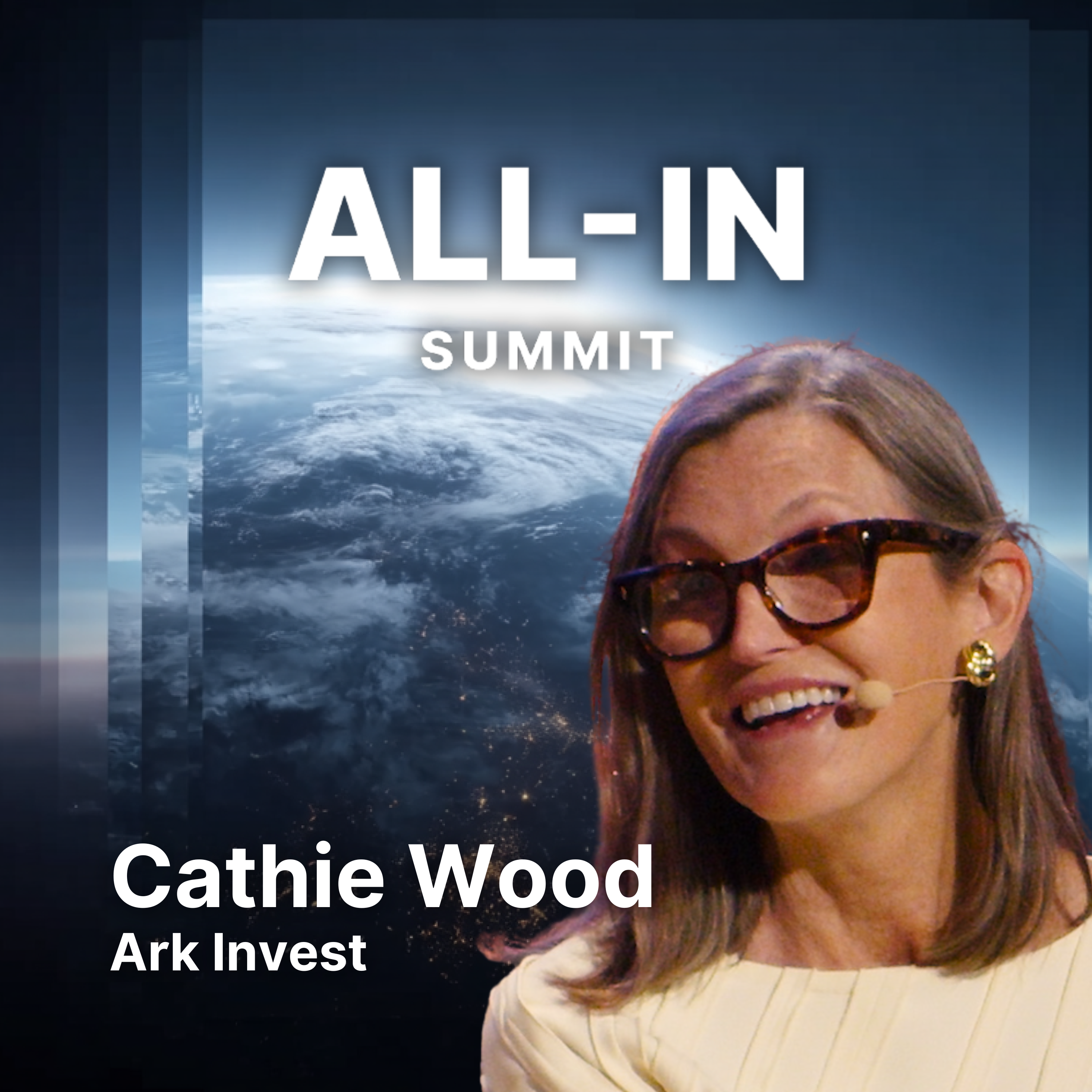
Citing the court's decision to override Tesla shareholders on Elon Musk's pay package, Cathie Wood identifies Delaware's legal environment as unpredictable. Revealing that her own firm is moving its incorporation out of the state, she highlights an emerging, significant risk for companies that have long considered Delaware the safest legal home.
Reflecting on his own experiences, Elon Musk advises business leaders to stay out of politics. He concludes that engaging in the political arena is a 'blood sport' where opponents 'go for the jugular,' and that his conclusion is to do less of it.

A 'hostile' takeover bid is not defined by personal animosity but by a specific procedural move. After being rejected by a target company's board, the acquirer bypasses them and makes their offer directly to the shareholders. The 'hostile' element is the act of circumventing the board's decision-making authority.