Get your free personalized podcast brief
We scan new podcasts and send you the top 5 insights daily.
An unconventional first job, like working in a mortuary, provides profound lessons in compassion by forcing you to interact with people in their most vulnerable moments. This deep understanding of the customer's emotional state is a powerful foundation for a career in customer experience.

Related Insights
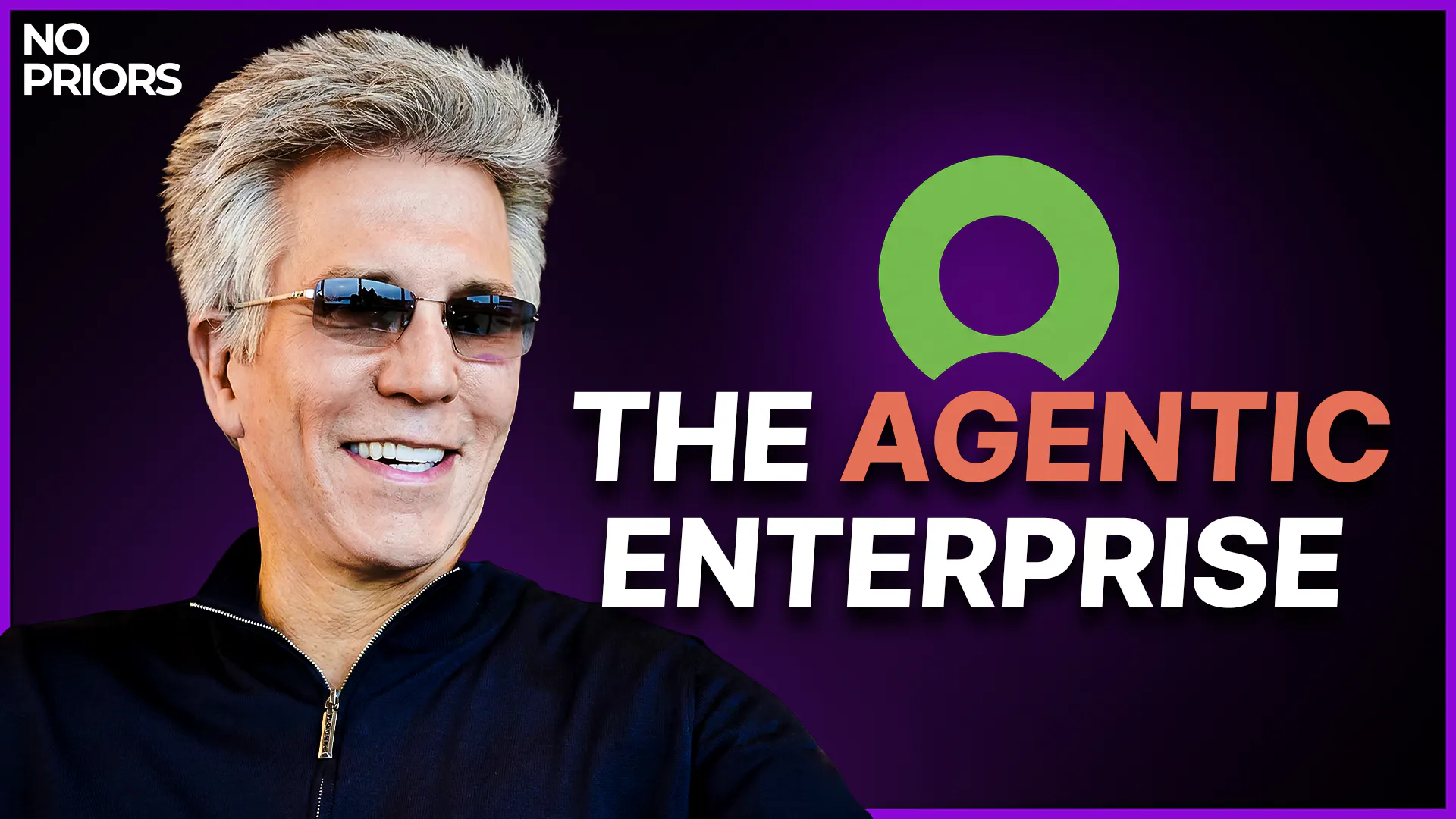
ServiceNow CEO Bill McDermott attributes his high emotional intelligence (EQ) to running a deli as a teenager, where he dealt with 500 diverse customers daily. This experience provided a critical foundation for understanding customer needs, a skill he views as essential for any business leader.
When you articulate a customer's problem and express genuine empathy ('I feel your pain'), you create a bond and simultaneously position yourself as the expert guide who can help them. This act transforms you from a vendor into a trusted survival asset.

Future CMO Colin Kelton's first role was phone support. He found it easy because, unlike his previous sales job, customers were calling in eager to invest. This frontline experience provided a powerful, unfiltered education on the brand's immense value proposition and market demand.

Craig Newmark attributes his personal transformation away from being a self-described "jerk" to his time doing customer service. The direct, grassroots-level interaction with early Craigslist users forced him to listen, develop empathy, and fundamentally change his character for the better.

ACMA's CEO intentionally keeps "liquor store clerk" on his LinkedIn profile to show how early, seemingly unrelated jobs build foundational skills in sales, psychology, and empathy. These formative experiences shape an adult's professional identity and should be valued, not hidden.

The only reliable way to understand a customer is to "forward deploy"—work alongside them in their actual environment. This direct experience of their job closes the context gap that interviews can't bridge, revealing unspoken needs and frustrations.

Reframe past trauma and shame as qualifications, not liabilities. The experiences that caused you the most pain are the very things that uniquely equip you to connect with, understand, and guide others through similar struggles.

To build deep customer empathy, embed every new employee—regardless of role or seniority—with a real customer for several days. Their sole task is to solve one real problem, creating an immediate, visceral connection to the company's purpose.
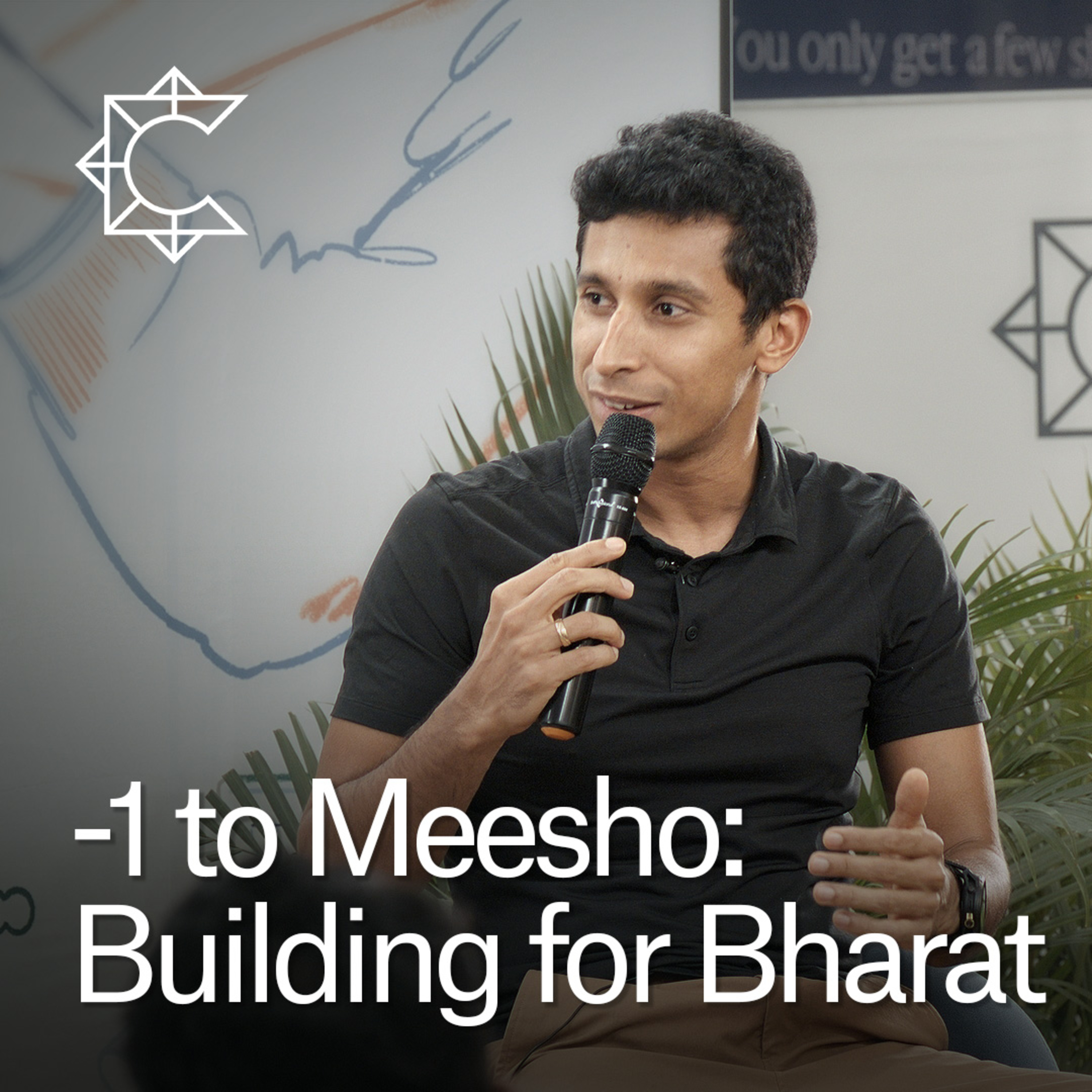
To truly understand B2B customer pain points, data and interviews are insufficient. Product teams must immerse themselves in the customer's environment, such as by working for an advertiser for a week or shadowing an accountant for a day, to gain firsthand workflow experience and develop deep empathy.

Instead of just interviewing users, the founder gained the deepest possible insights by taking an entry-level job in his target industry. This provided granular, firsthand knowledge of workflows and pain points that no interview could reveal, allowing him to build the right product from day one.
