Get your free personalized podcast brief
We scan new podcasts and send you the top 5 insights daily.
Advanced voice AI goes beyond simple transcription. It serves as an orchestration layer to manage complex, multi-threaded agentic tasks like booking travel or filing expenses. This transforms the user interaction from giving commands to delegating responsibilities, similar to interacting with a human assistant.

Related Insights
The next paradigm for AI interfaces is shifting from passive tools (like transcription apps) to active participants. New real-time voice models that can listen and speak simultaneously will function as a live third party in conversations, offering proactive input rather than just post-hoc analysis.

The next leap for AI interfaces is voice-controlled agents performing complex tasks like sending emails without visual confirmation. The critical barrier to adoption isn't the technology's capability but whether users trust the AI to act correctly on their behalf without a screen.

Power users of AI agents believe the ideal user interface is not graphical but conversational. They prefer text-based interactions within existing chat apps and see voice as the ultimate endgame. The goal is an invisible assistant that operates autonomously and only prompts for input when absolutely necessary, making traditional UIs feel like friction.
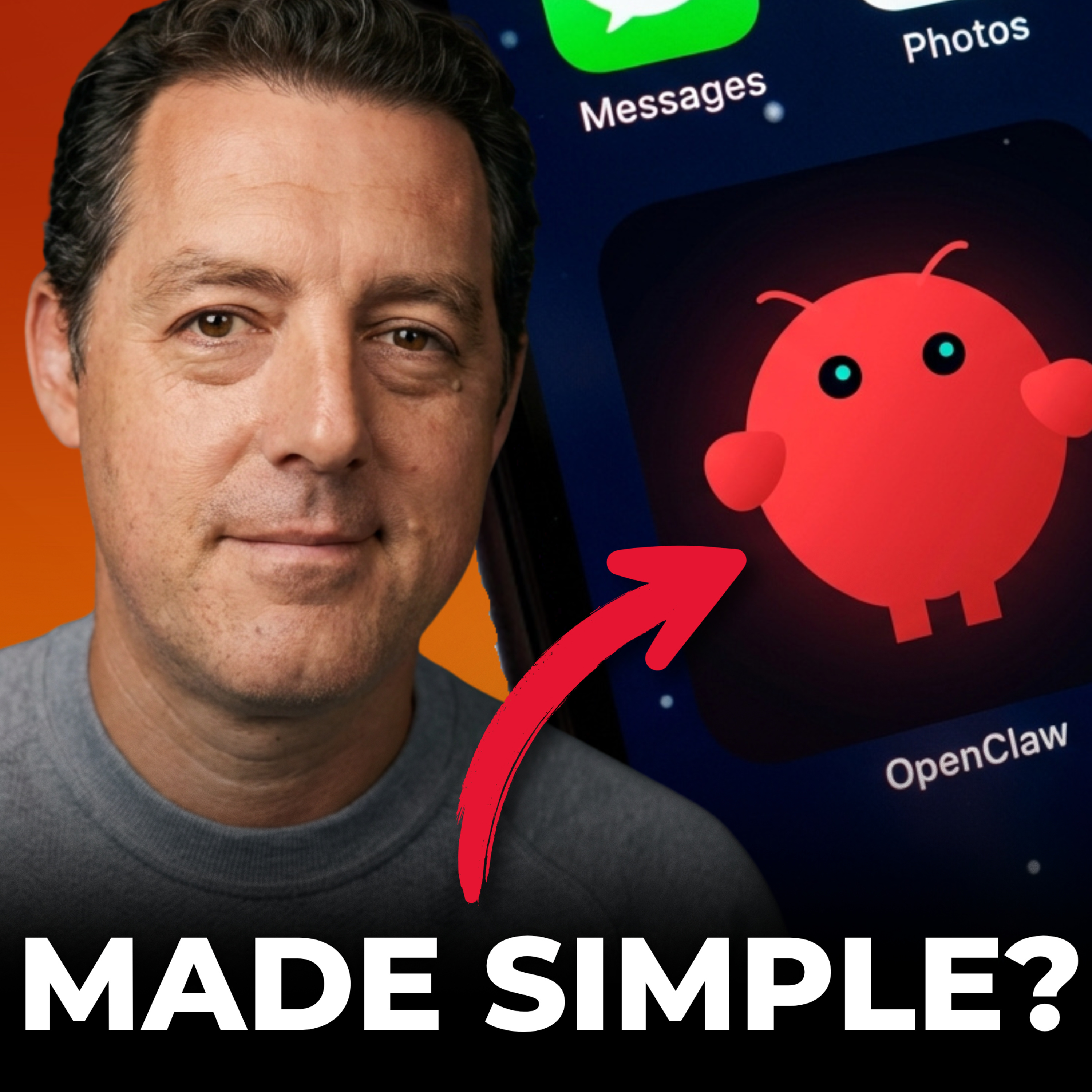
The interface for AI agents is becoming nearly frictionless. By setting up a voice-to-voice loop via an app like Telegram, users can issue complex commands by simply holding down a button and speaking. This model removes the cognitive load of typing and makes interaction more natural and immediate.

Users often struggle with how to prompt an AI. Voice interaction provides a natural, high-bandwidth method for unstructured 'yapping' or context dumping. This lowers the friction of starting a task and allows users to delegate in a more natural, conversational way, leading to more sprawling and complex use cases.
Advanced voice models are shifting AI interaction from a turn-based tool to a continuous cognitive partner. The crucial skill is no longer just crafting the perfect prompt, but "real-time genie steering"—guiding an always-on AI that infers needs from context and acts proactively, making coordination the key human task.

New low-latency voice AI can interrupt users in real-time, similar to a human. This transforms it from a simple command-taker into a proactive partner that can offer advice and warnings. This is particularly valuable for complex customer support interactions and on-site marketing guidance.

The next user interface paradigm is delegation, not direct manipulation. Humans will communicate with AI agents via voice, instructing them to perform complex tasks on computers. This will shift daily work from hours of clicking and typing to zero, fundamentally changing our relationship with technology.

AI voice isn't just a solo tool. It can be used as a live third-party assistant during a conversation with another person. By putting a non-technical person on speakerphone with the AI, you can capture their unstructured needs and convert them into actionable tasks, bridging the gap between human problems and AI execution.
Despite the focus on text interfaces, voice is the most effective entry point for AI into the enterprise. Because every company already has voice-based workflows (phone calls), AI voice agents can be inserted seamlessly to automate tasks. This use case is scaling faster than passive "scribe" tools.
