Get your free personalized podcast brief
We scan new podcasts and send you the top 5 insights daily.
A large-scale, popular event like the UFC fight at the White House can act as a "bread and circuses" moment, generating positive sentiment and iconic imagery that can potentially increase an administration's approval ratings among the public.

Related Insights
To control the narrative around a foundational scandal, those in power can create or amplify smaller, emotionally charged events. These "fast food" issues, like protests or riots, serve as a magic trick to redirect public focus and anger away from the more complex, systemic problem.

Effective politicians operate less as policy experts and more as skilled entertainers. They adopt a specific 'genre'—like different styles of rap—to emotionally move their audience. This allows them to build a strong following and obfuscate a lack of concrete, cause-and-effect policy planning, focusing on feeling over function.
A political party might intentionally trigger a government shutdown not to win policy concessions, but to create a public narrative of a dysfunctional opposition. The true victory isn't legislative but reputational, aiming to sway voters in upcoming elections by making the ruling party look incompetent.

Despite initial criticism of a UFC event at the White House as a 'bread and circuses' moment during tough economic times, the event was a massive success. This suggests that large-scale, high-production sporting events are a potentially powerful and underutilized tool for governments to increase their popularity and approval ratings.

The public is now an active participant in information warfare, able to influence narratives by creating viral content about trivial details. This turns serious geopolitical events into a form of entertainment, distracting the populace from substantive issues like economic impact or military strategy.
When a politician suddenly makes a previously ignored issue intensely important, they are likely employing misdirection. The goal is to control the news cycle and public attention, either to distract from a more significant action happening elsewhere or to advance a hidden agenda unrelated to the stated crisis.
The choice to exclusively celebrate the men's Olympic hockey team while diminishing the women's team was a missed PR opportunity. Celebrating both teams, particularly given the women's impressive victories and lower professional pay, would have been a smarter, more unifying tactical move for the White House.

The UFC fight on the White House lawn isn't just entertainment; it's a calculated political move to engage a generation of men who feel unrepresented by traditional, more "proper" government functions, reflecting a strategy to reclaim perceived masculinity in politics.

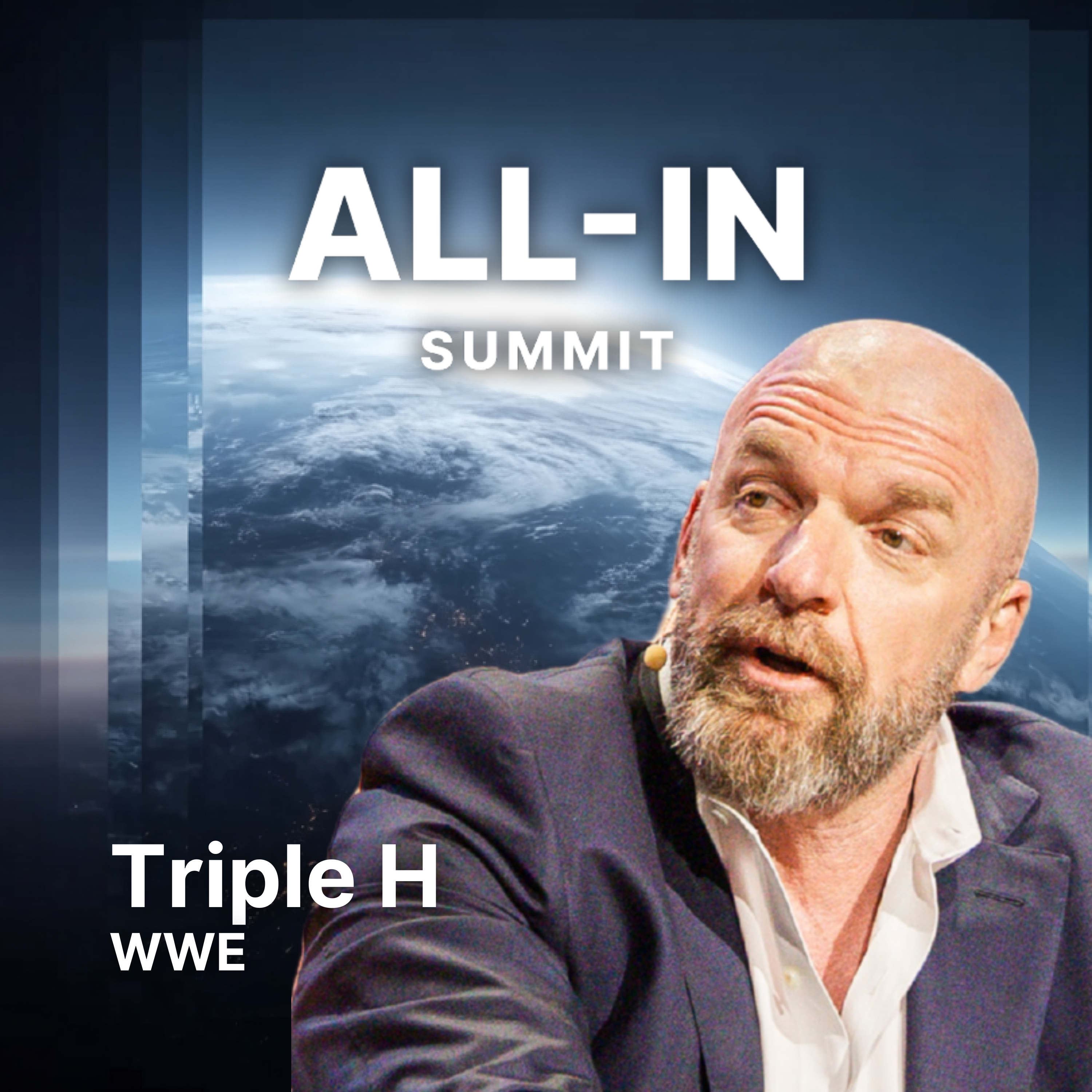
Drawing parallels between wrestling and politics, Paul Levesque asserts that voters ultimately choose presidential candidates based on charisma and personal connection, not policy details. He cites figures like Donald Trump as examples of personalities whose ability to command an audience is their primary asset.
The traditional, subdued Democratic response to the State of the Union consistently fails to match the presidential address's spectacle. A better strategy would be to invest in a high-production, entertaining event with star power to capture public attention and create a powerful counter-narrative.