Get your free personalized podcast brief
We scan new podcasts and send you the top 5 insights daily.
People who achieve uncommon success often defy typical expectations. They take risks and pursue ventures that others deem illogical, trusting their ability to navigate uncertainty. This "unreasonable" mindset is a key differentiator.

Related Insights
True entrepreneurial success stems from a deep-seated, almost irrational belief that exists before the skills or evidence to support it. Daniel Ek and the founder of Sony both exemplify this, possessing a powerful conviction in their potential long before they achieved massive success.

The key differentiator for success, especially in creative fields, is the willingness to exert extra effort and take calculated risks that others avoid. This mindset means pushing through the difficult final stages of a project where most people give up.

The conventional path demands you follow a standardized track and just be 'better.' Unconventionally successful people ('dark horses') invert this. They prioritize personal fulfillment, and professional excellence becomes the natural byproduct of that authentic pursuit.
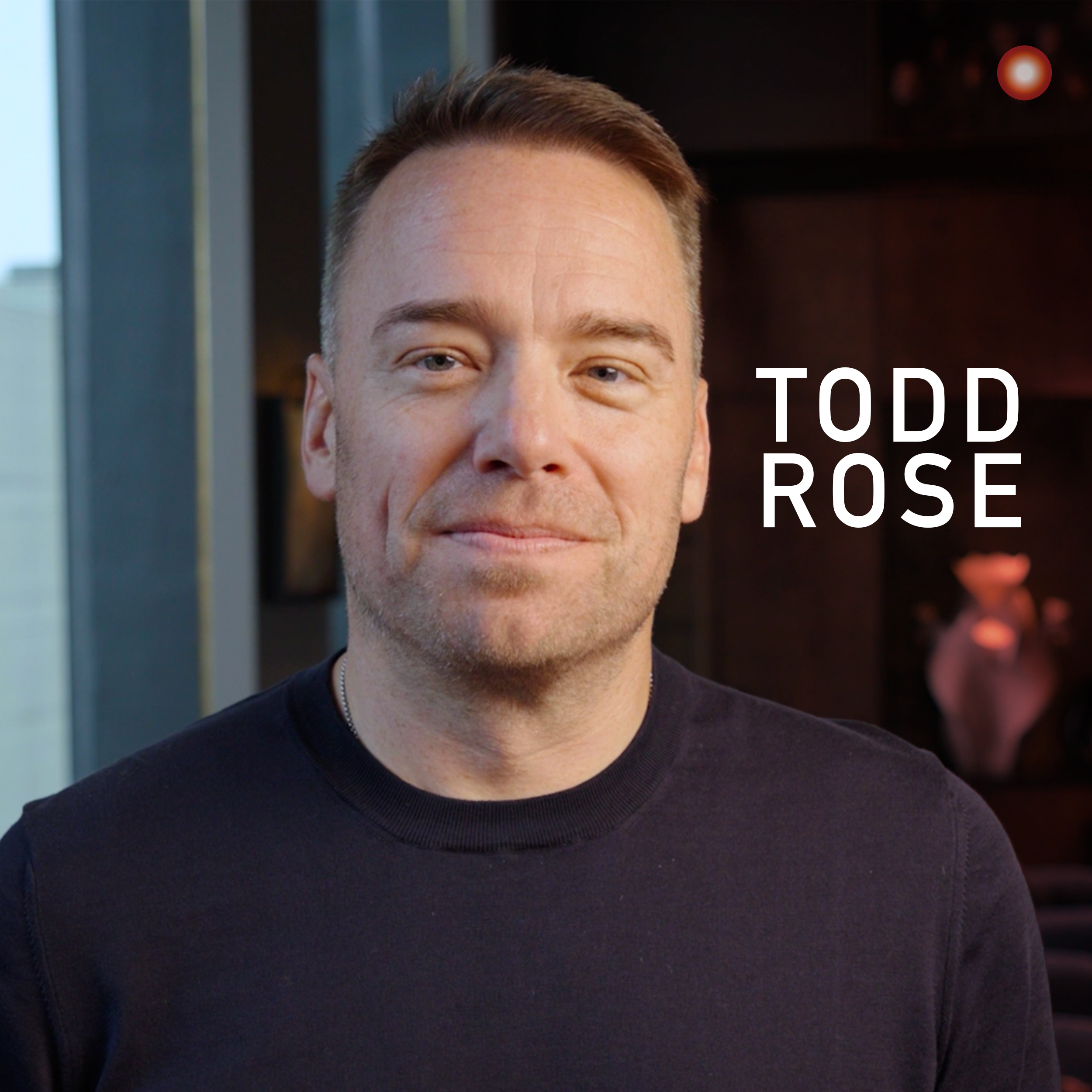
Solving truly hard problems requires a form of 'arrogance'—an unwavering belief that a solution is possible, even after months or years of failure. This 'can-do' spirit acts as an accelerator, providing the persistence needed to push through challenges where most would give up.

Successful leaders often question conventions and consider that "everyone else might be wrong." Arbitrarily doing the opposite of established industry practices can unlock new ways of working and create a unique edge for your team.

An unwavering, almost irrational belief in your own capabilities can be a powerful advantage. This "delusion" encourages you to attempt things others wouldn't and persist through failure, ultimately making the belief a self-fulfilling prophecy by driving the necessary actions to acquire skills.

To achieve exceptional results, you must believe something and take action that the consensus thinks is wrong. This requires a non-consensual, often stubborn conviction. This path is high-risk because it means you are either a visionary who is early or you are simply an idiot.

The most successful people, from Nobel laureates to elite athletes, fail more often than their peers. Their success is a direct result of their willingness to take smart risks and push boundaries, knowing failure is a possible outcome. They adopt a mindset of playing to win rather than the more defensive posture of playing not to lose.

If a highly successful person repeatedly makes decisions that seem crazy but consistently work, don't dismiss them. Instead, assume their model of reality is superior to yours in a key way. Your goal should be to infer what knowledge they possess that you don't.
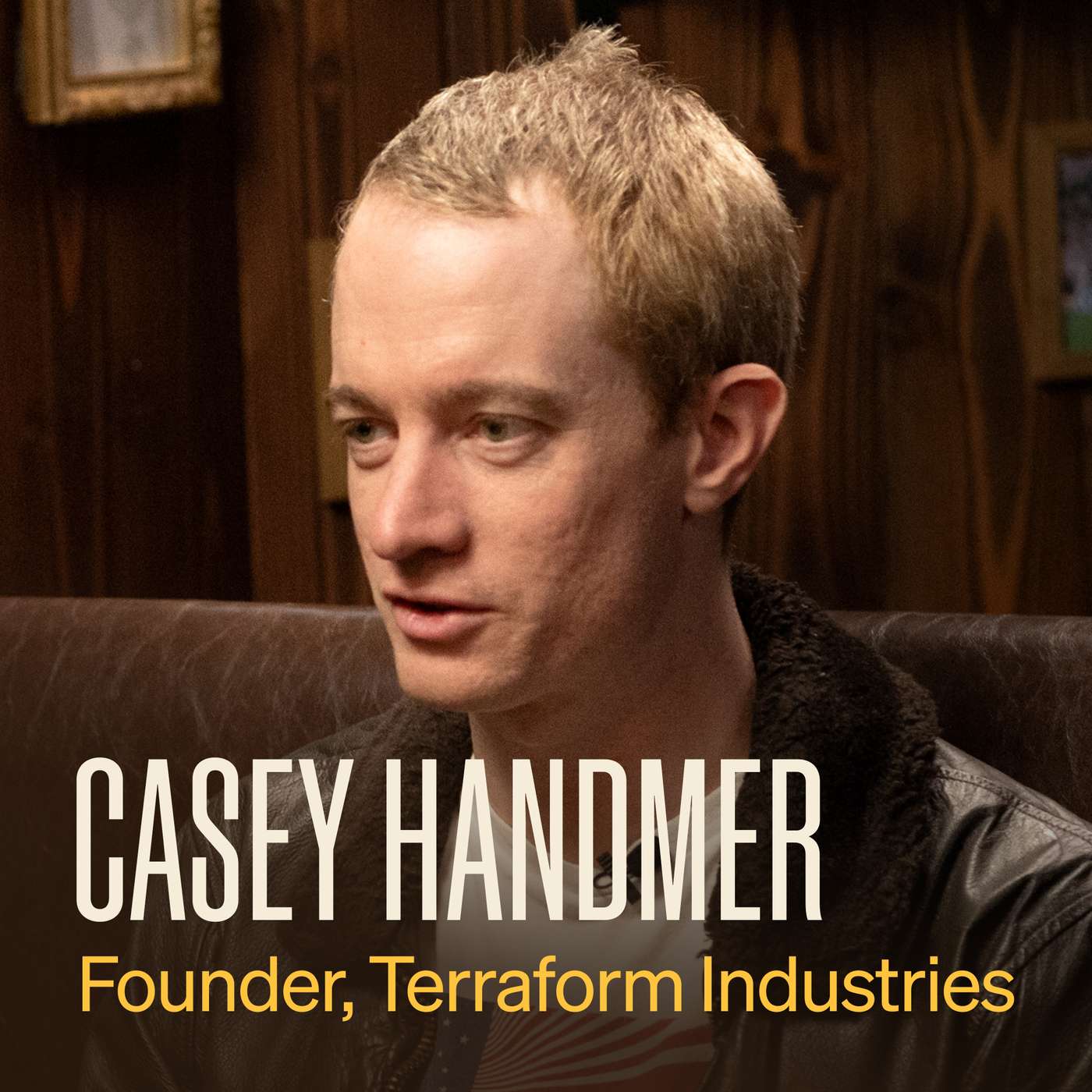
Charlie Munger's comment on Elon Musk—"Never underestimate the man who overestimates himself"—highlights a paradox. Extreme self-belief, often a flaw, can be a founder's greatest asset, fueling the audacity required to pursue goals that rational minds dismiss as impossible.
