Get your free personalized podcast brief
We scan new podcasts and send you the top 5 insights daily.
The recent U.S.-China agreement reveals a concerning asymmetry. The U.S. agreed to delay $14 billion in arms sales to Taiwan, a tangible asset, in exchange for China's vague promises on AI safety cooperation, which amounts to little more than a press release.

Related Insights
Beijing's unclear stance on Nvidia H200 chip imports is a strategic negotiation tactic, not a definitive ban. This ambiguity creates leverage to extract concessions from the U.S. in trade talks, using the tech sector as a pawn in a larger geopolitical game.

Zvi Moshwitz suggests a viable US-China AI agreement would require the US to verifiably slow its frontier model development, its main geopolitical edge. In exchange, the US would ask China to refrain from stealing model weights, racing to surpass the frontier, and allowing dangerous open-weight models to be released.

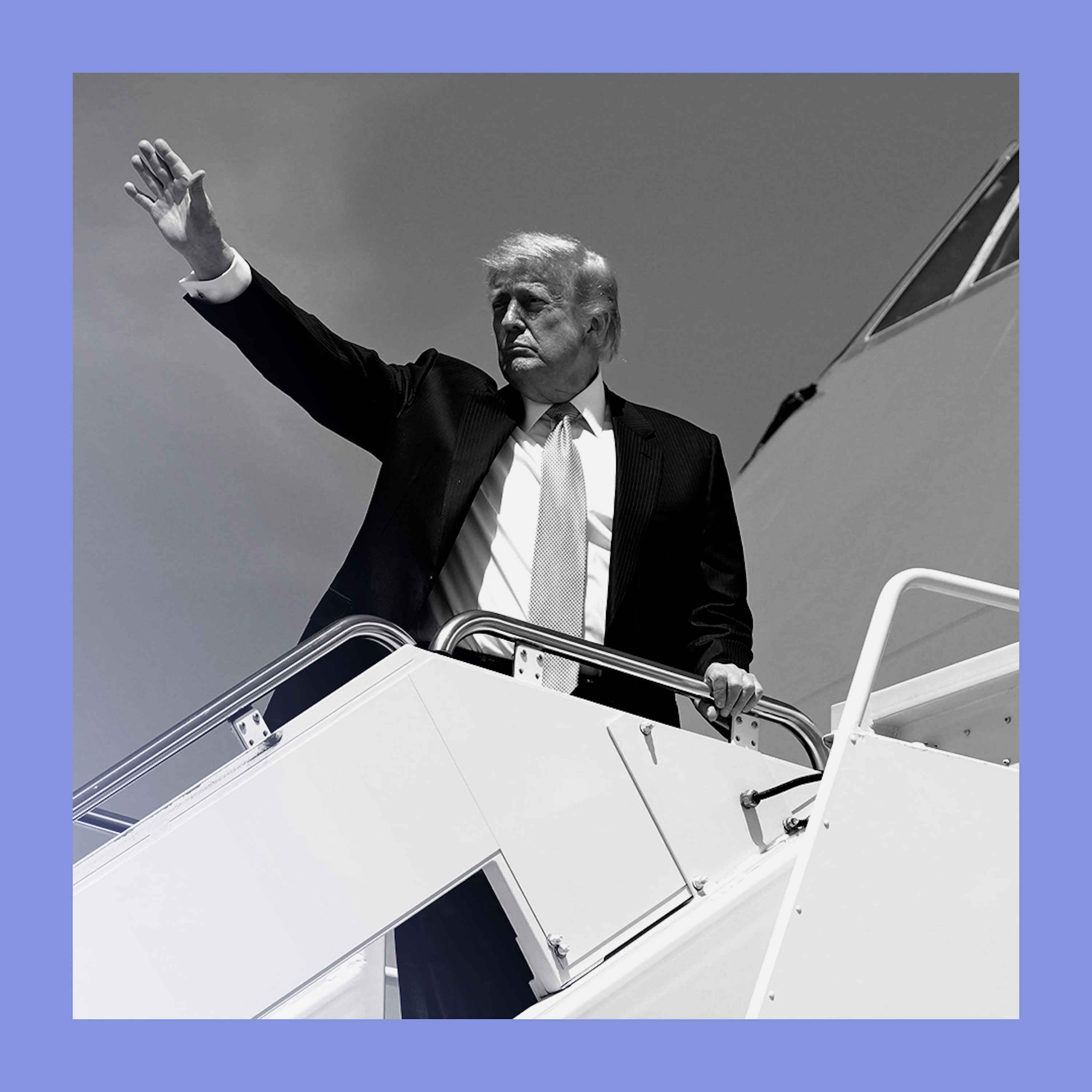
Given President Trump's transactional nature and disinterest in Taiwan, it is argued that Chinese President Xi Jinping would be derelict not to offer him a massive personal financial incentive in exchange for abandoning America's security commitment to the island. This presents a non-military path for Chinese influence.

During the Trump-Xi summit, China is explicitly linking its willingness to make economic deals, such as buying more American goods, to the U.S. shifting its stance on Taiwan. Beijing wants President Trump to formally oppose Taiwanese independence, using trade as a bargaining chip for a key geopolitical objective.
A purely cooperative approach to AI arms control with China is unlikely to work due to their inherent skepticism. A more effective realpolitik strategy may be for the U.S. to advance its AI capabilities so far and fast that China feels compelled to negotiate out of self-interest to avoid being hopelessly behind.

The trade war is moving beyond physical goods and tariffs. The US is now considering outright bans on Chinese AI software, signaling a new, more complex digital battlefront focused on controlling technology and intellectual property rather than just physical supply chains.

Stopping frontier AI development in the US without a verifiable, lockstep agreement with China does not increase safety. Instead, it creates a critical vulnerability, ceding dominance in cyber warfare and national security to an adversary who will continue to advance their own AI capabilities.

Anthropic CEO Dario Amadei’s call to slow AI development is explicitly conditional on maintaining a lead over China. This framing, which includes calls for stricter chip export controls, turns a global safety issue into a geopolitical one, prompting China to label it a "silent AI cold war" and reject cooperation.

U.S. AI strategy is incoherent. While the Treasury Department tightly controls domestic access to advanced models like Anthropic's Mythos for national security, the administration also facilitates Nvidia's sale of the very AI chips to China that will accelerate their ability to develop competing models.

Despite sounding significant, the new "China-U.S. AI Dialogue" is merely a mechanism for countries to notify each other of national security-level AI incidents. U.S. Treasury Secretary Scott Besant's comments reveal it is not an agreement to halt or slow down AI development, which aligns with the Trump administration's public stance.
