Get your free personalized podcast brief
We scan new podcasts and send you the top 5 insights daily.
Weather modification company Rainmaker uses value-based pricing for its B2B contracts. Instead of a flat service fee, they charge based on the measurable outcome, such as the inches of snow produced or the gallons of water that flow into a reservoir. This directly aligns their financial incentives with their clients' success.

Related Insights
AI enables a fundamental shift in business models away from selling access (per seat) or usage (per token) towards selling results. For example, customer support AI will be priced per resolved ticket. This outcome-based model will become the standard as AI's capabilities for completing specific, measurable tasks improve.

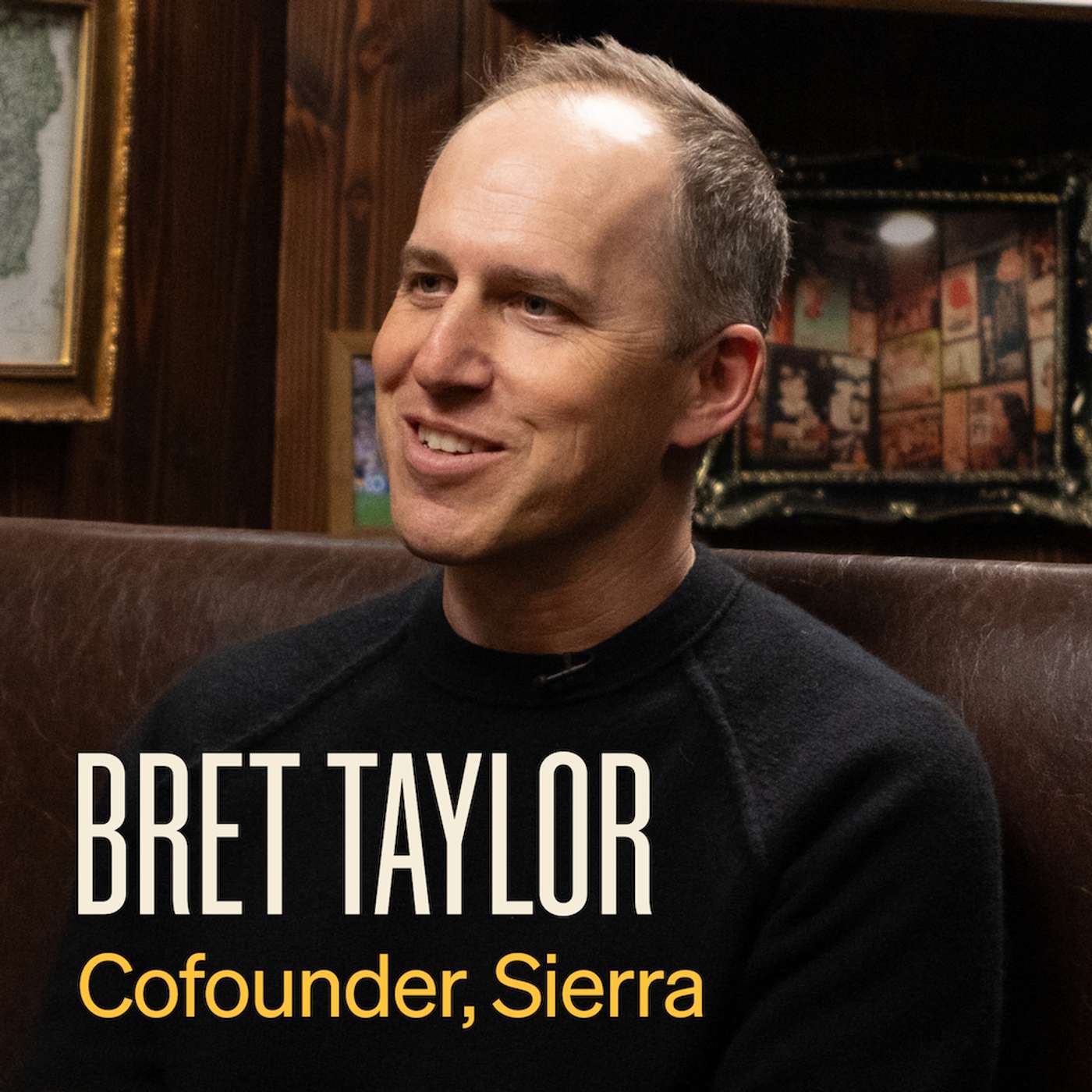
Bret Taylor's firm, Sierra, is pioneering an "outcomes-based pricing" model for its AI agents. Instead of charging for software usage, they only charge clients when the AI successfully resolves a customer's problem without human escalation. This aligns vendor incentives with tangible business results like problem resolution and customer satisfaction.

Navy CTO Justin Fanelli advises founders to stop asking to be paid for their time and instead price their solutions based on the outcomes and value they deliver. This aligns incentives with the government buyer, rewards impact over effort, and demonstrates a modern, software-defined mindset.

Initially, Astronomer priced against the cost of hiring an engineer for analytics tasks. As customers adopted Airflow for critical operational workloads (e.g., regulatory reporting), the pricing conversation shifted. The value is no longer saving a salary, but preventing catastrophic revenue or compliance failures.

Standard SaaS pricing fails for agentic products because high usage becomes a cost center. Avoid the trap of profiting from non-use. Instead, implement a hybrid model with a fixed base and usage-based overages, or, ideally, tie pricing directly to measurable outcomes generated by the AI.

For weather modification startup Rainmaker, the core challenge wasn't making it snow via cloud seeding, but proving they were the cause. They solved this critical attribution problem using proprietary radar, weather models, and satellite data to show a clear hole in the clouds that directly corresponded to their operations.
The consulting giant is shifting its business model from pure advisory work (fee-for-service) to an outcomes-based approach. McKinsey co-creates a business case with the client and contractually underwrites the results, aligning its incentives directly with client success.
The B2B software business model is evolving from licenses and subscriptions toward outcome-based pricing, where customers pay for successful task completion. While currently limited to measurable areas like customer support, this model represents the next major disruptive wave as AI makes more outcomes quantifiable.

Bret Taylor of Sierra argues outcome-based pricing (charging for a resolved case) is superior to usage-based pricing (charging for tokens). It aligns vendor and customer interests by tying cost directly to business value, not resource consumption. This forces the vendor to improve product effectiveness, not just optimize for usage.
In the age of AI, software is shifting from a tool that assists humans to an agent that completes tasks. The pricing model should reflect this. Instead of a subscription for access (a license), charge for the value created when the AI successfully achieves a business outcome.
