Get your free personalized podcast brief
We scan new podcasts and send you the top 5 insights daily.
Aphaia's scientific approach is so different from the mainstream that they couldn't rely on existing market understanding. Their co-founder actively toured conferences and participated in interviews to tell their story repeatedly. This educational campaign was crucial for building trust and getting stakeholders to "buy into" their completely new therapeutic concept.

Related Insights
The launch of Heme Libra, a 28-day hemophilia treatment, revealed a key challenge: patients accustomed to daily infusions were scared to trust the new, infrequent therapy. This shows that marketing truly disruptive products requires building trust and overcoming ingrained user habits, going beyond just demonstrating clinical superiority.

Despite sound science, many recent drug launches are failing. The root cause is not the data but an underinvestment in market conditioning. Cautious investors and tighter budgets mean companies are starting their educational and scientific storytelling efforts too late, failing to prepare the market adequately.
Aphaia's co-founder, a full professor, credits his deep academic connections for the company's success. Being part of the University of Toronto, a hub for GLP-1 research, allowed him to vet his unconventional idea with world-leading experts. This access to high-caliber, informal peer review was critical for making the decision to move forward.
In the competitive oncology market, Step Pharma differentiates itself by highlighting its novel, "first-in-class" mechanism and excellent safety profile. This strategy attracts interest by focusing on a unique therapeutic opportunity and potential for combination therapies, rather than competing directly on incremental efficacy gains.
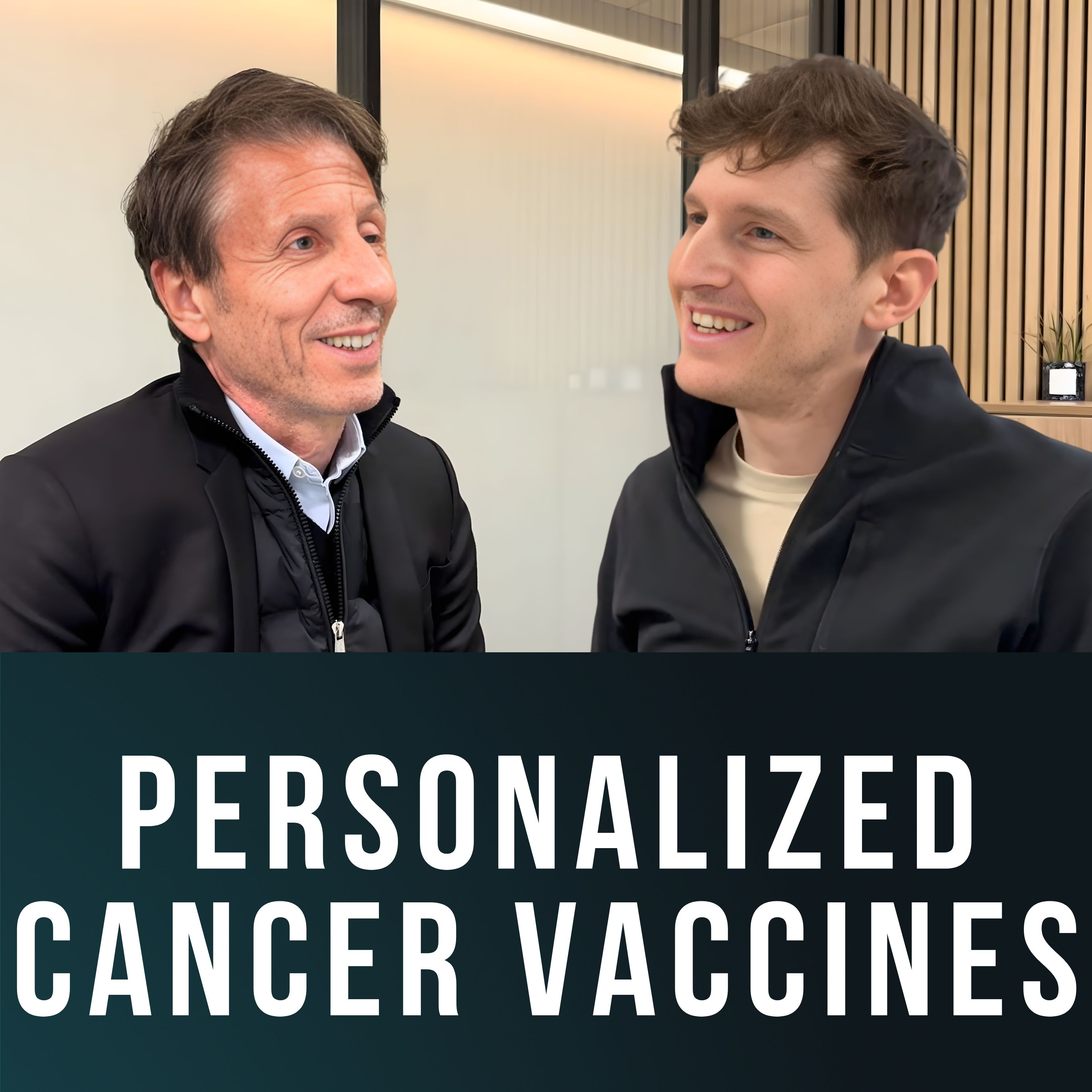
The most common investor misconception is that cancer vaccines have "never worked." The key rebuttal is that past failures targeted generic, shared antigens. The new generation of vaccines is fundamentally different, targeting specific mutations unique to each patient's tumor, which changes the entire paradigm.
The pharmaceutical industry is often misunderstood because it communicates through faceless corporate entities. It could learn from tech's "go direct" strategy, where leaders tell compelling stories. Highlighting the scientists and patient journeys behind breakthroughs could dramatically improve public perception and appreciation.

Turbine's pharma partners consistently praised the deep biological competence of its science team. This ability to engage as scientific peers, not just data scientists, built essential trust for early deals when the AI platform was still largely unvalidated.

It's not enough to believe a drug trial will be positive. To generate true alpha, an investor must also have a well-researched, specific explanation for what misconceptions or concerns are causing other market participants to misprice the asset.

The CEO addresses the old belief that inhibiting its target, GSK3-beta, could be dangerous because it was once considered a tumor suppressor. He explicitly states this theory has 'lost its scientific founding' and 'faded into the myth' as research progressed, demonstrating a command of the target's evolving scientific narrative to stakeholders.

When seeking partnerships, biotechs should structure their narrative around three core questions pharma asks: What is the modality? How does the mechanism work? And most importantly, why is this the best differentiated approach to solve a specific clinical challenge and fit into the competitive landscape?