Get your free personalized podcast brief
We scan new podcasts and send you the top 5 insights daily.
Unlike high-profile tech giants, Cargill deliberately maintains a low public profile. This "quiet dominance" strategy helped them build a monopolistic position in the logistics and food industries by avoiding unwanted attention from competitors, regulators, and the public.

Related Insights
The economy is controlled by powerful 'middleman' companies that consumers have never heard of. Food distributor Cisco, for example, has a dominant position supplying nearly all sit-down chain restaurants, shaping food quality and prices across the country from behind the scenes.

Most consumers and even employees don't know their local hospital or retail store is PE-owned. This opacity shields PE executives from the public anger directed at more visible corporate leaders, allowing them to operate in the shadows.

Cargill became the world's largest middleman by building and controlling essential physical assets like grain elevators and shipping. This strategy defies the "cut out the middleman" mantra, showing that owning critical chokepoints in a supply chain can create immense, defensible value.
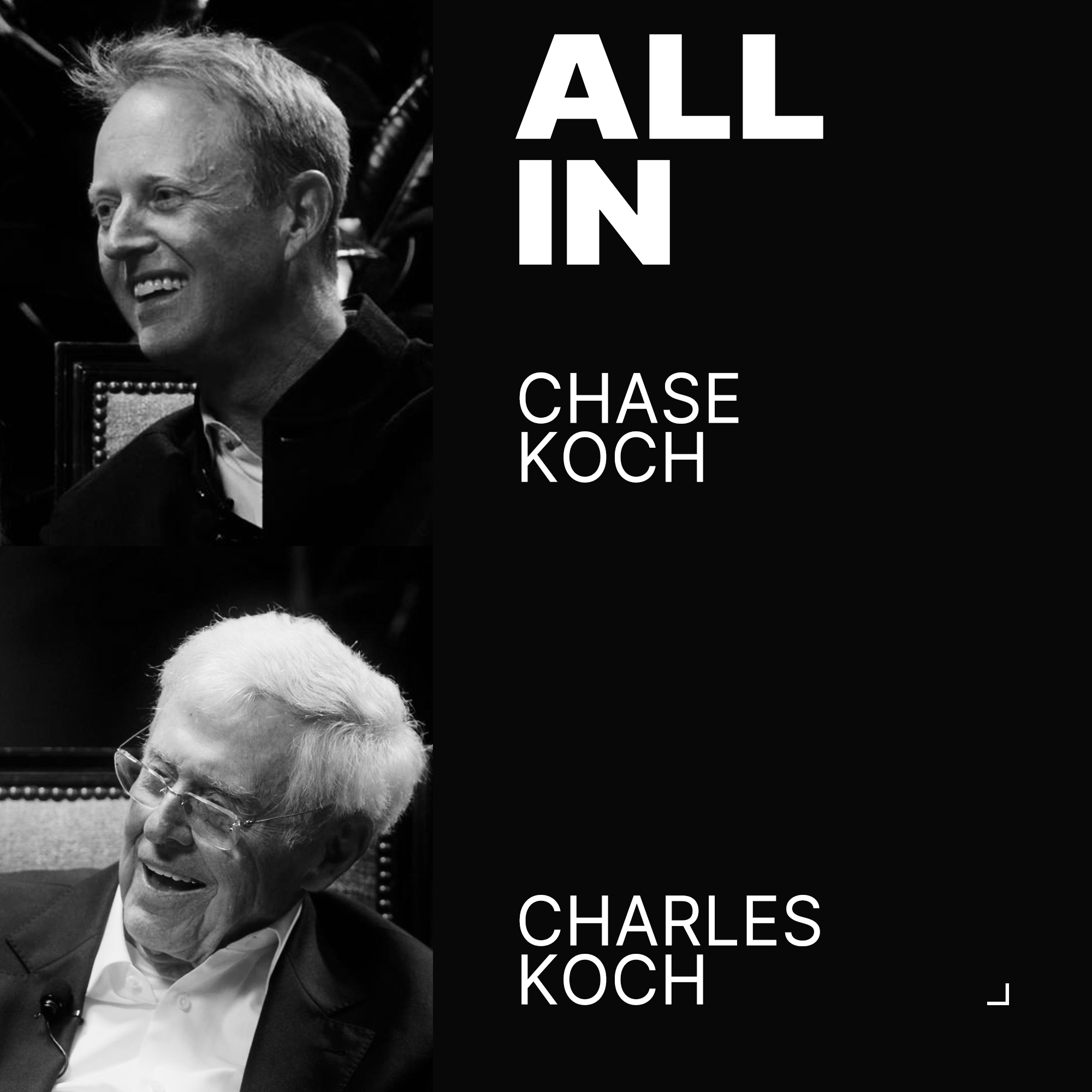
Charles Koch believes going public would have made their success impossible. Public markets demand simple, industry-focused stories, which would have prevented their complex, long-term strategy of expanding based on capabilities—a model that would have been misunderstood and undervalued by analysts.
For seven years, Travis Kalanick's new venture operated in extreme secrecy. Thousands of employees listed "Stealth" on LinkedIn, and the company used different, generic names in each of its 30 countries. This strategy concealed its scale and mission from competitors while building an intense internal culture.

Nvidia's Jensen Huang exemplifies Peter Thiel's theory: dominant companies describe their market as vast and hyper-competitive (e.g., "technology") to avoid regulatory scrutiny. In contrast, non-dominant players define their niche narrowly to appear unique and defensible to investors.

Cargill controls nearly every component of a common meal, from seeds and fertilizer for grain, to animal feed, slaughterhouses, and additives like salt and corn syrup. This deep vertical integration across the entire food supply chain is the source of their quiet dominance.
Thiel observes a strategic deception: dominant companies (monopolies) downplay their power by broadly defining their market to avoid scrutiny. Struggling companies (non-monopolies) narrowly define their market to appear unique and attract capital. Understanding this helps pierce through corporate narratives.
While its attempt to buy a major competitor was blocked, food distributor Cisco achieved market dominance through a "roll-up" strategy. It acquired over 200 smaller, local, and specialty providers, a tactic that often flies under the radar of regulators who focus on large, single M&A deals.
Research for "The Myth of Capitalism" revealed that top investors frequently own dominant companies in industries with few players. This suggests that seeking out businesses with strong market positions, often due to a lack of intense competition, is a proven strategy for long-term portfolio growth and stability.
