Get your free personalized podcast brief
We scan new podcasts and send you the top 5 insights daily.
Disgraced Cambridge professor Jason Arday's memoir borrowed life events and prophetic quotes directly from TV shows like "Spartacus" and Australian soap operas, including faked comas and miraculous recoveries. This highlights the fantastical nature of his lies and the failure of institutional due diligence.

Related Insights
Prestigious institutions may overlook blatant falsehoods to champion individuals who fit a desired identitarian narrative. Sam Harris argues Cambridge was not just negligent with fabulist Jason Arde, but actively corrupt in its desperation to believe a 'woke superhero' story.

A fraud operation can be brilliant at exploiting systemic weaknesses while being comically bad at faking basic evidence, like having one person forge dozens of signatures. This paradox is not surprising and reflects a division of labor similar to legitimate businesses, with different skill levels for strategy versus execution.

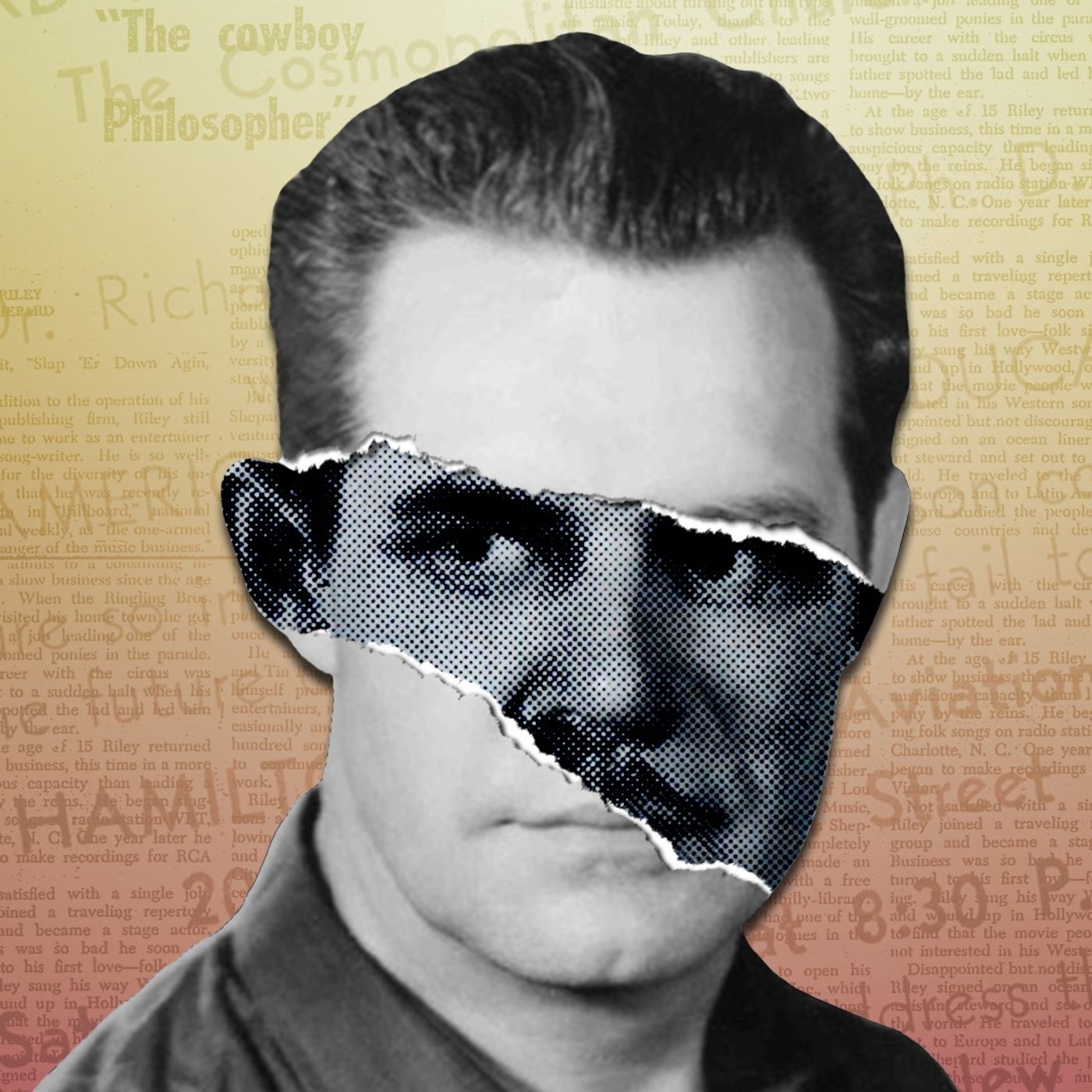
Riley Shepherd falsely claimed to have written "Blue Christmas," a famous song. This lie made his daughter, Stasha, jaded and skeptical of his true life's work, the folk encyclopedia. This shows how fabricating minor successes can cast doubt on and devalue one's legitimate, monumental achievements.
The power of Sacks' stories was rooted in the belief that these bizarre neurological cases were real. Discovering they were invented collapses the entire premise. The core appeal wasn't just good writing; it was the wonder that "you couldn't make this stuff up," which turned out to be false.

Before his fraud was exposed, Jason Arday quashed a story by Times Higher Education by deploying a top defamation law firm and siccing the police on the journalist, citing his own mental health. This shows how libel laws and mental health claims can be weaponized to intimidate and suppress legitimate investigative journalism.
Oliver Sacks confessed in private journals to inventing details in his famous books. The motivation wasn't fame, but a misguided way to project his own struggles (loneliness, sexuality) and interests onto his patients, essentially "working out his own shit through them."
The public appetite for surprising, "Freakonomics-style" insights creates a powerful incentive for researchers to generate headline-grabbing findings. This pressure can lead to data manipulation and shoddy science, contributing to the replication crisis in social sciences as researchers chase fame and book deals.
An activist group within Cambridge's academic union defended Jason Arday by operating in a separate "informational sphere." The organizer admitted to not reading the newspapers detailing the fraud while simultaneously accusing those same journalists of effectively murdering Arday, showcasing a willfully curated reality.
The author, Napoleon Hill, was a con man who fabricated the entire origin story of being commissioned by Andrew Carnegie. Despite his fraudulent past, the book’s core principles—like goal-setting, masterminds, and persistence—have been validated by modern research and remain effective.

Investors are seeing founders use AI to research their public statements and then fabricate personal stories (e.g., childhood trauma) to match the investor's stated criteria. This is a new, hard-to-detect form of inauthentic pitching.
