Get your free personalized podcast brief
We scan new podcasts and send you the top 5 insights daily.
Rather than creating disparate events, Canva designs its annual "Canva Create" conference as a central brand moment with tailored tracks for different audiences like enterprise customers, educators, and creators. This "center of gravity" approach allows them to make the investment work harder and deliver a cohesive brand experience at scale.

Related Insights
The most valued parts of the event were not the keynotes, but breakout groups and off-site excursions like pickleball. These activities create a "third space"—separate from work and home—where attendees can form genuine human connections, which is often the ultimate, unstated goal of attending.
Canva's enterprise value proposition focuses on solving the chaos created by its own PLG success. For CIOs and brand leaders, the key benefits are not just advanced features, but granular controls, brand kits, and security (SSO) that rein in uncontrolled organic usage and ensure brand consistency at scale.
Structure event planning by defining what you want attendees to think, feel, and do before, during, and after the event. This framework, applied per persona, ensures every activity is aligned with specific, measurable outcomes, from initial promotion to post-event follow-up.

Brands maximize the ROI of expensive activations like those at the Super Bowl by reframing them as 'production days.' Instead of a one-off event, they become content engines for social media and creative campaigns, using influencers and programming to reach a much broader audience.

Canva's marketing org avoids a rigid B2B/B2C split, recognizing users don't distinguish between these contexts. They structure teams by business unit (B2B, B2C, International) and support them with channel centers of excellence, promoting collaboration and a unified brand experience.
Big Cabal Media repurposes content from its paid conferences, like "Naira Life," into free YouTube masterclasses and podcast series. This strategy creates a virtuous cycle: the high-quality content attracts new subscribers and builds brand authority, which in turn drives ticket sales for future events from an engaged, pre-warmed audience.

For a well-known brand like Canva, a major campaign's goal isn't just awareness. The "Love Your Work" campaign was designed to solve a "shallow knowledge" problem by educating its massive user base on its powerful workplace applications, shifting perception from a simple design tool to an essential business platform.
Attendees have an "experiencing self" and a "remembering self." The latter only retains a few key moments. Effective event design focuses on creating 3-5 powerful, memorable touchpoints that will stick with attendees and drive business outcomes long after the event ends.

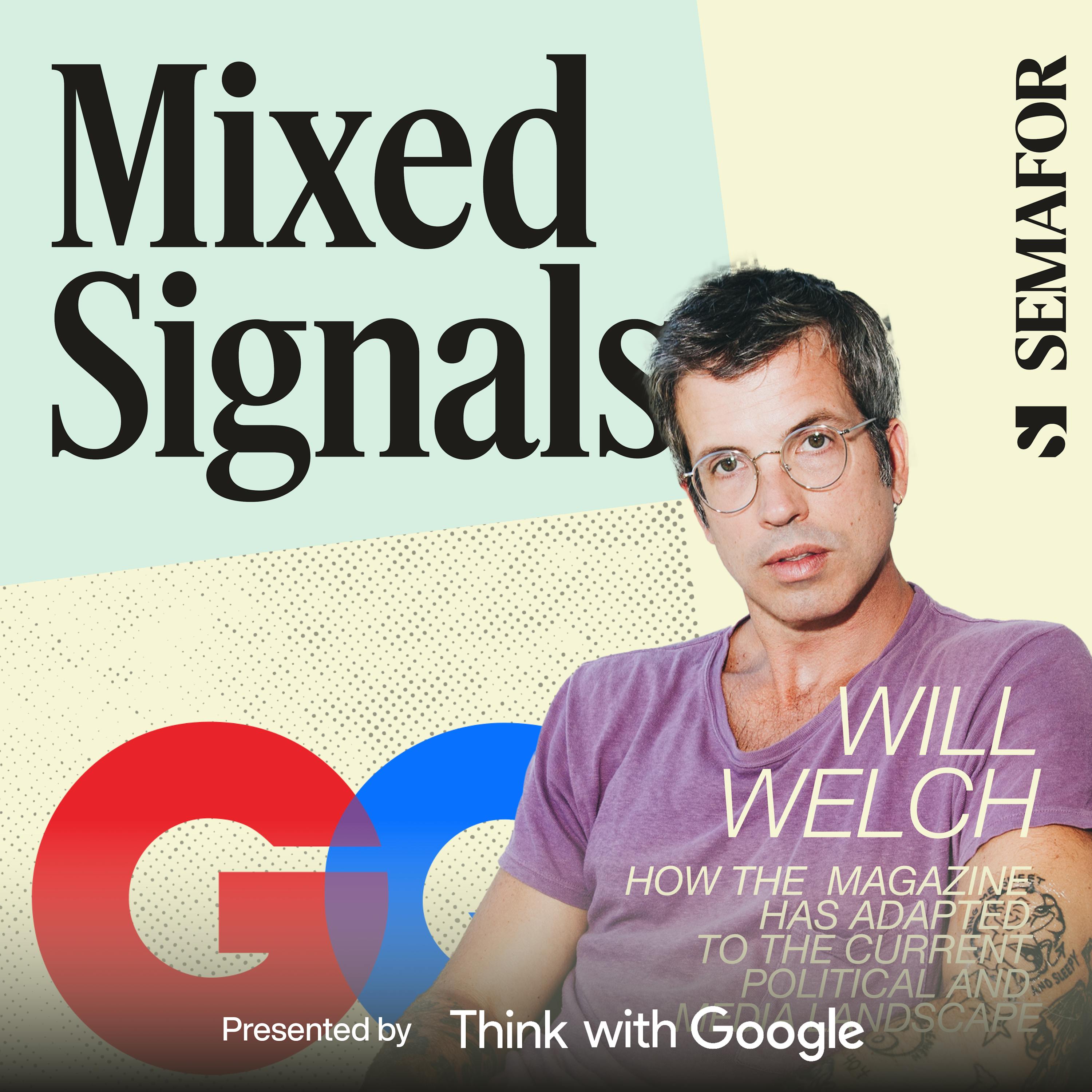
GQ's fast-growing events business treats physical gatherings like "Men of the Year" not as standalone parties, but as the center of a massive, integrated content operation. This ecosystem includes a month-long drumbeat of print and digital content leading up to the event, which itself becomes a major content creation moment.
In-person events create a powerful, hard-to-replicate competitive moat. While rivals can easily copy your digital products or content with AI, they cannot replicate the unique community, experience, and brand loyalty fostered by well-executed IRL gatherings.
