Get your free personalized podcast brief
We scan new podcasts and send you the top 5 insights daily.
Gulf states are investing in Syria's rebuilding not just for economic opportunity, but as a strategic necessity to prevent it from again becoming a haven for drug trafficking and terrorism. This regional self-interest makes Syria's stability a critical priority for its neighbors, creating a powerful external force driving its reconstruction.

Related Insights
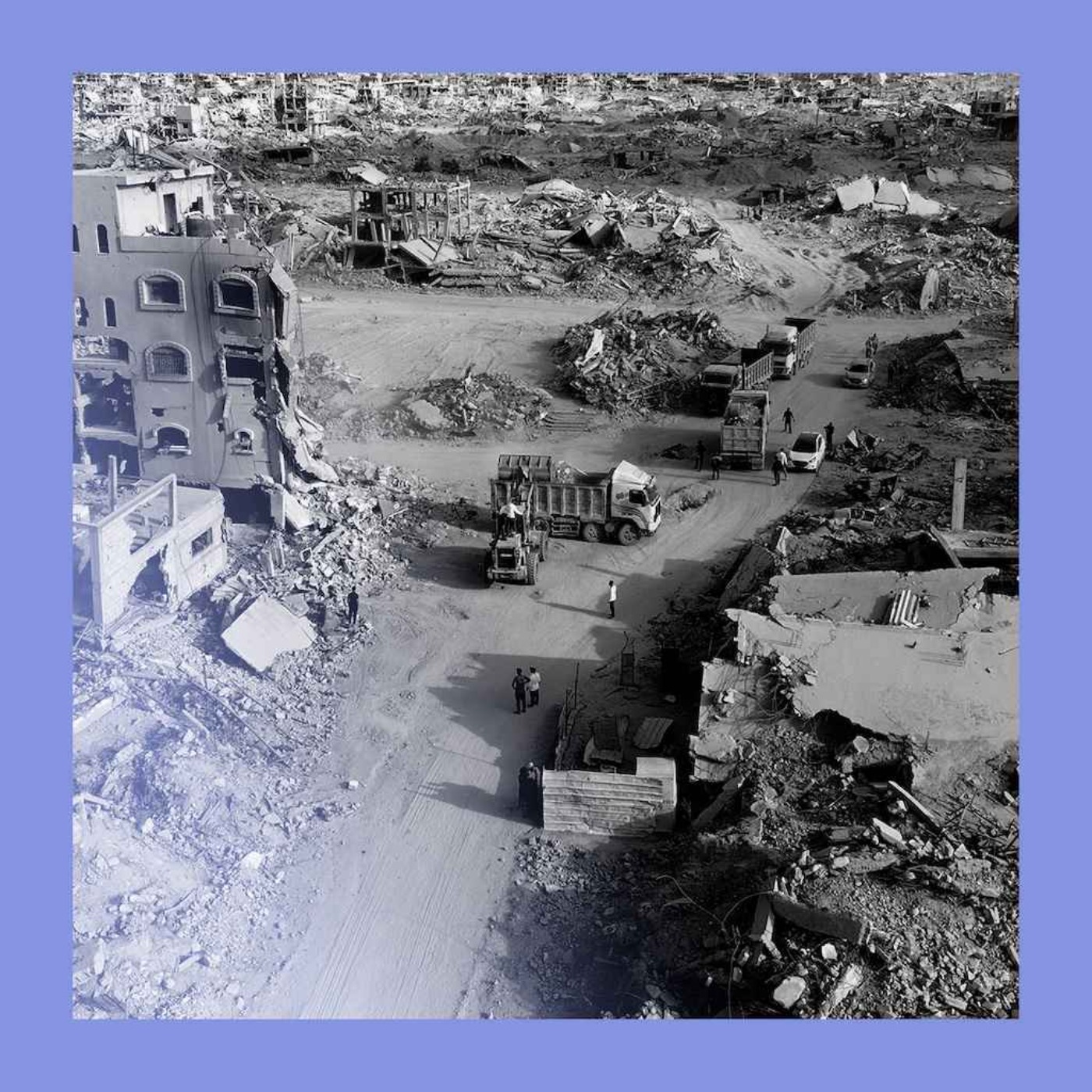
Despite a comprehensive Egyptian-led rebuilding plan, wealthy Gulf monarchies refuse to provide the necessary $55 billion. They will not invest funds that could be destroyed in a future conflict, making Hamas's disarmament a non-negotiable prerequisite for any major rebuilding effort to begin.
Despite reduced U.S. reliance on its oil, the region remains a strategic trap because its resources float the global economy, making it critical to allies and rivals like China, and because of the petrodollar's role in recycling capital back into the U.S. economy.

In post-war Syria, investor confidence is shattered more by isolated security incidents than by the colossal $200B+ reconstruction cost. As shown when explosions occurred during a French state visit, demonstrating stability is the primary prerequisite for attracting significant foreign capital to fragile states, outweighing the scale of financial need.
Unlike other Middle Eastern nations, Gulf states like the UAE and Qatar leverage immense energy wealth relative to their small populations to maintain domestic stability. This wealth lubricates a unique social contract, calming potential unrest and insulating them from the widespread regional fury seen elsewhere.

Beyond financial diversification, Gulf States may be using their significant investments in American venture capital as a bargaining chip. By threatening to review or pull back these commitments, they can apply economic pressure on the US administration to seek diplomatic solutions to conflicts like the Iran war.

The main driver for US action against Iran is to stabilize the Gulf region to secure over $2 trillion in investment deals with Saudi Arabia, Qatar, and the UAE. These deals are the centerpiece of Trump's economic agenda, making the threat from Iran an existential economic one.

The U.S. presence in the Middle East is less about policing the world and more about strategic engagement with the new nexus of global capital, specifically the GCC nations. The goal is to attract this massive pool of investment back to the U.S. to fund critical infrastructure projects like AI development and compete with China.

Regional stability is an economic necessity for oil-rich nations. Peace allows them to accelerate monetization of their finite oil reserves and reinvest the capital into diversified, future-proof economies like AI and tourism before alternative energy devalues their primary asset.
While Gulf sovereign wealth funds invest in US VC to diversify away from oil and regional instability, an active conflict directly strains their budgets. This pressure from reduced energy income and increased defense spending forces them to reconsider overseas commitments, testing the limits of their diversification strategy.

Gulf nations do not simply align with Israel against Iran. They perceive Israel's increasing military aggression as a destabilizing force, just as they do Iran's actions. They feel caught between two dangerous and unpredictable actors, with both threatening their national interests and economic diversification plans.