Get your free personalized podcast brief
We scan new podcasts and send you the top 5 insights daily.
The developer community's anger towards Anthropic's pricing changes was less about the end of token subsidies and more about the company's communication. Framing a significant cost increase as 'free credits' was perceived as dishonest and patronizing, severely damaging developer trust.

Related Insights
Sam Altman counters Anthropic's ads by reframing the debate. He positions OpenAI as a champion for broad, free access for the masses ("billions of people who can't pay"), while painting Anthropic as an elitist service for the wealthy ("serves an expensive product to rich people"), shifting the narrative from ad ethics to accessibility.
Despite Anthropic's shift to usage-based pricing causing costs to double or triple, customers like PagerDuty are absorbing the increase. They are in an "experimentation mode," prioritizing potential efficiency gains and innovation over predictable costs, even when a clear return on investment is still unknown.

Anthropic faced user backlash over opaque usage limits, and its official response was perceived as a dismissive "you're holding it wrong." This highlights a critical vulnerability for AI firms: technical issues and unclear policies can quickly escalate into a crisis of user trust that damages the brand.
The release of Mythos, framed as too dangerous for the public, and the viral "AI escaped and emailed me" story were meticulously timed PR efforts. This strategy aims to create a perception of technological superiority and justify a high valuation, especially ahead of a potential IPO.

The initial miscommunication over Anthropic's Claude CodeReview pricing—confusing a flat-rate perception with actual token-based billing—shows a major hurdle for AI companies. Effectively communicating complex, usage-based pricing is as critical as the underlying technology for market adoption and trust.
Anthropic's policy preventing users from leveraging their Pro/Max subscriptions for external tools like OpenClaw is seen as a 'fumble.' It creates a 'sour taste' for the community of builders and early adopters who are not only driving usage and paying more because of these tools, but also providing crucial feedback and stress-testing the models.
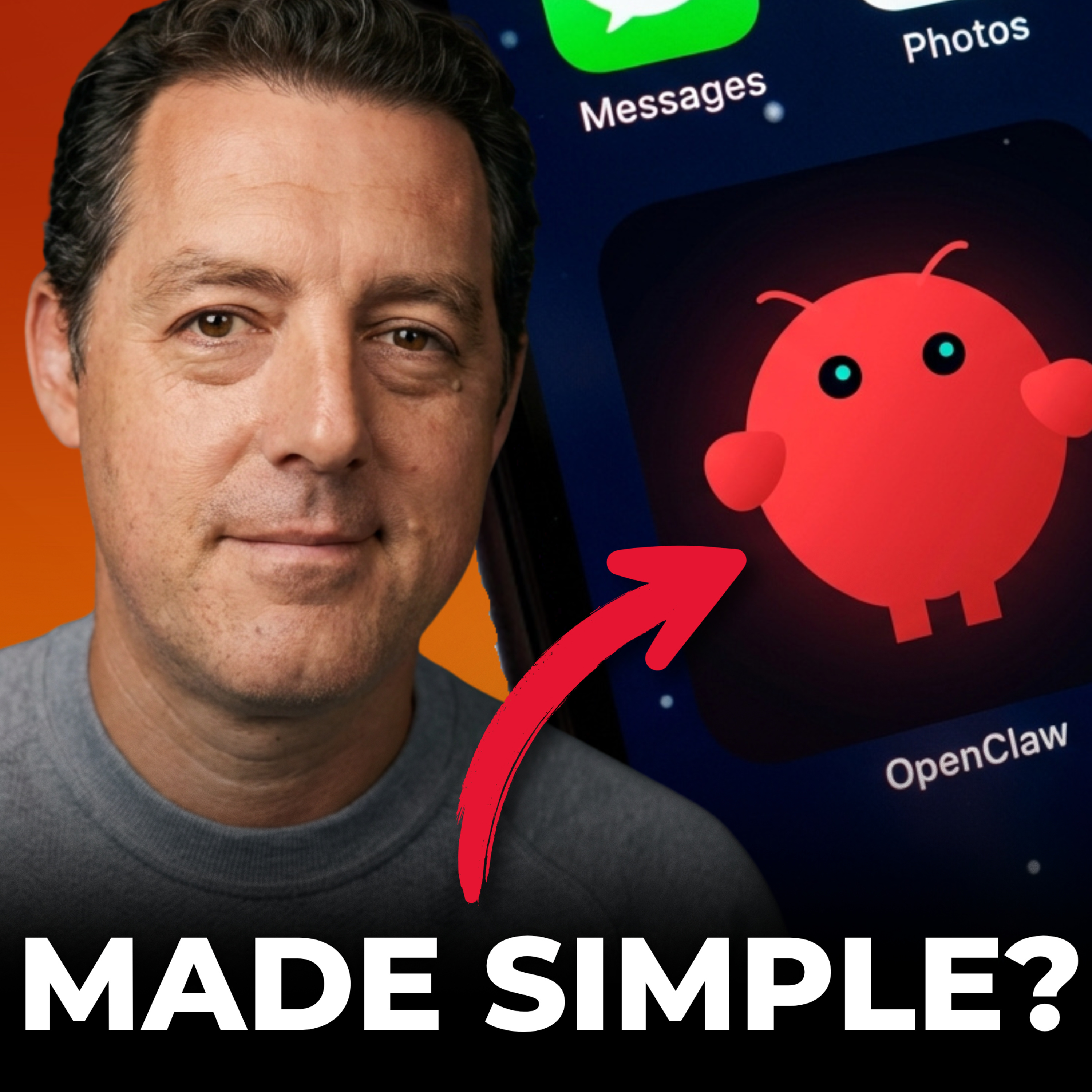
Anthropic is ending subsidized token usage for third-party tools, reflecting a market shift from seat-based to usage-based pricing. This move is a direct consequence of compute demand exceeding supply, ending a brief 'golden age' of cheap, large-scale experimentation for developers.
Anthropic's campaign risks poisoning the well for all consumer AI assistants by stoking fear about ad integration. This high-risk strategy accepts potential damage to its own brand and the category in order to inflict greater harm on the market leader, OpenAI.
Companies like Anthropic are facing user criticism for business models that charge for both AI code generation and subsequent AI-powered code review. This "poison and cure" approach is perceived as extractive, creating resentment among developers who feel they are paying twice to fix the output of the initial tool.

Anthropic's new code review feature, priced at $20, sparked backlash for being "too expensive," despite automating work that would take a human developer hours. This reaction demonstrates a fundamental misunderstanding of AI economics. Users have been conditioned by subsidized products to expect powerful, computationally intensive features for free, a model that is unsustainable.
