Get your free personalized podcast brief
We scan new podcasts and send you the top 5 insights daily.
Events become viral memes that dominate attention for about 2.5 days before a new "current thing" replaces them. This rapid, emotionally charged cycle makes long-term political forecasting impossible, as an election will turn on the meme of that day, not on past events.

Related Insights
In the current media landscape, the political impact of military casualties depends on their virality. A non-visual event described in a traditional news article lacks the resonance of a graphic video shared on platforms like TikTok. This creates a grim calculus where policy is only influenced by losses that are visually shocking and widely shared.
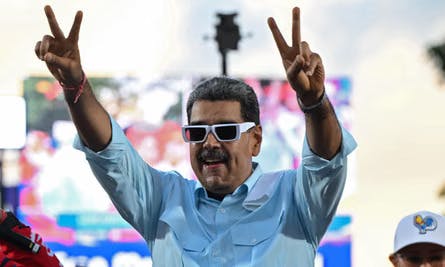
Outrage-driven news follows a predictable six-step cycle: a fringe story appears, one side reacts, the story gets amplified, the other side counter-reacts, and so on. This banal loop captures attention but distracts from more significant societal problems.

The political strategy of appealing to the base during a primary and then moderating for the general election is increasingly difficult. In the age of social media, any hardline statements made to win the primary can be instantly resurfaced and weaponized by opponents, alienating centrist voters.
Updating Marshall McLuhan's media theory, Andreessen posits that the internet's native format is the viral meme. Any event, regardless of its real-world significance, is immediately processed into a meme, triggering tribe formation, outrage, and moral panic. This is the fundamental lens through which we now experience reality.
The negative societal effects of social media were not unintended consequences but predictable outcomes of its core incentives. Following Charlie Munger's principle, 'show me the incentives, I'll show you the outcome,' the race for engagement inevitably led to a 'race to the bottom of the brainstem,' rewarding outrage and shortening attention spans.

Algorithms optimize for engagement, and outrage is highly engaging. This creates a vicious cycle where users are fed increasingly polarizing content, which makes them angrier and more engaged, further solidifying their radical views and deepening societal divides.
The current political discourse is dysfunctional because content creators cater to the 5% of the public responsible for most social media consumption. This hyper-engaged audience tends to be more anxious and neurotic, incentivizing negative content over the positive, pragmatic messages that persuasion-oriented polling shows are more effective with the general population.

Analyzing the memetic activity of niche online groups, like teenage eco-anarchists in 2018, serves as an "early detection" system for forecasting larger political narratives and cultural shifts, as their fringe concerns often scale to mass audiences.
Global conflicts are increasingly processed through an emotional lens, amplified by social media. Because algorithms reward outrage over analysis, public discourse becomes deranged, making populations more likely to support violent escalations without understanding the cause-and-effect consequences of their leaders' actions.

For an event to become a "current thing," its truth or objective importance is less relevant than its ability to activate outrage and facilitate tribal conflict. The perfect viral story allows people to form "moral tribes" and "go to war" online, using the event as a proxy for a larger ideological battle.