Get your free personalized podcast brief
We scan new podcasts and send you the top 5 insights daily.
The OpenAI vs. Musk lawsuit suggests a crucial step was missed: when a company fundamentally changes its mission (e.g., nonprofit to for-profit), leadership must proactively offer original funders a revised stake. Executing a "make right" equity deal can prevent the kind of high-stakes litigation OpenAI now faces.

Related Insights
Private notes revealed in the lawsuit filings show the foundational split wasn't purely philosophical. Discussions about personal wealth targets ("what will take me to $1 billion?") and Elon Musk's desire for majority equity to fund Mars ambitions underscore that the battle was fundamentally about power and financial gain.

An unwritten "founder code" exists in Silicon Valley. A key violation is abandoning a well-performing, venture-backed company to start a new one in a hotter space (e.g., AI). This prematurely sells out investors and violates the trust placed in the founder.

By defending the pro rata rights of early backers against new, powerful investors, founders play an "infinite game." This builds a reputation for fairness that compounds over time, attracting higher-quality partners and investors in future rounds.

OpenAI's core argument is they could have raised funds without Elon and that the shift to a for-profit model was a necessary response to AI's "scaling laws"—a reality Elon himself acknowledged when proposing an acquisition by Tesla.
The core legal question is why OpenAI's leadership transitioned the non-profit instead of creating a fresh for-profit entity. This implies the non-profit's accumulated IP and team were too valuable to abandon, which is the foundation of Elon's 'bait and switch' claim that the original mission was hijacked.

Despite public drama, OpenAI's restructuring settled based on each party's leverage. Microsoft got a 10x return, the foundation was massively capitalized, and employees gained liquidity. This pragmatic outcome, which clears the path for an IPO, proves that calculated deal-making ultimately prevails over controversy.

OpenAI’s complex conversion from a nonprofit to a for-profit benefit corporation, modeled after Mozilla's legal structure, was a strategic necessity. This allows it to operate like a for-profit entity, unlocking massive investments from partners like SoftBank, while navigating the complex tax and governance rules governing its nonprofit origins.
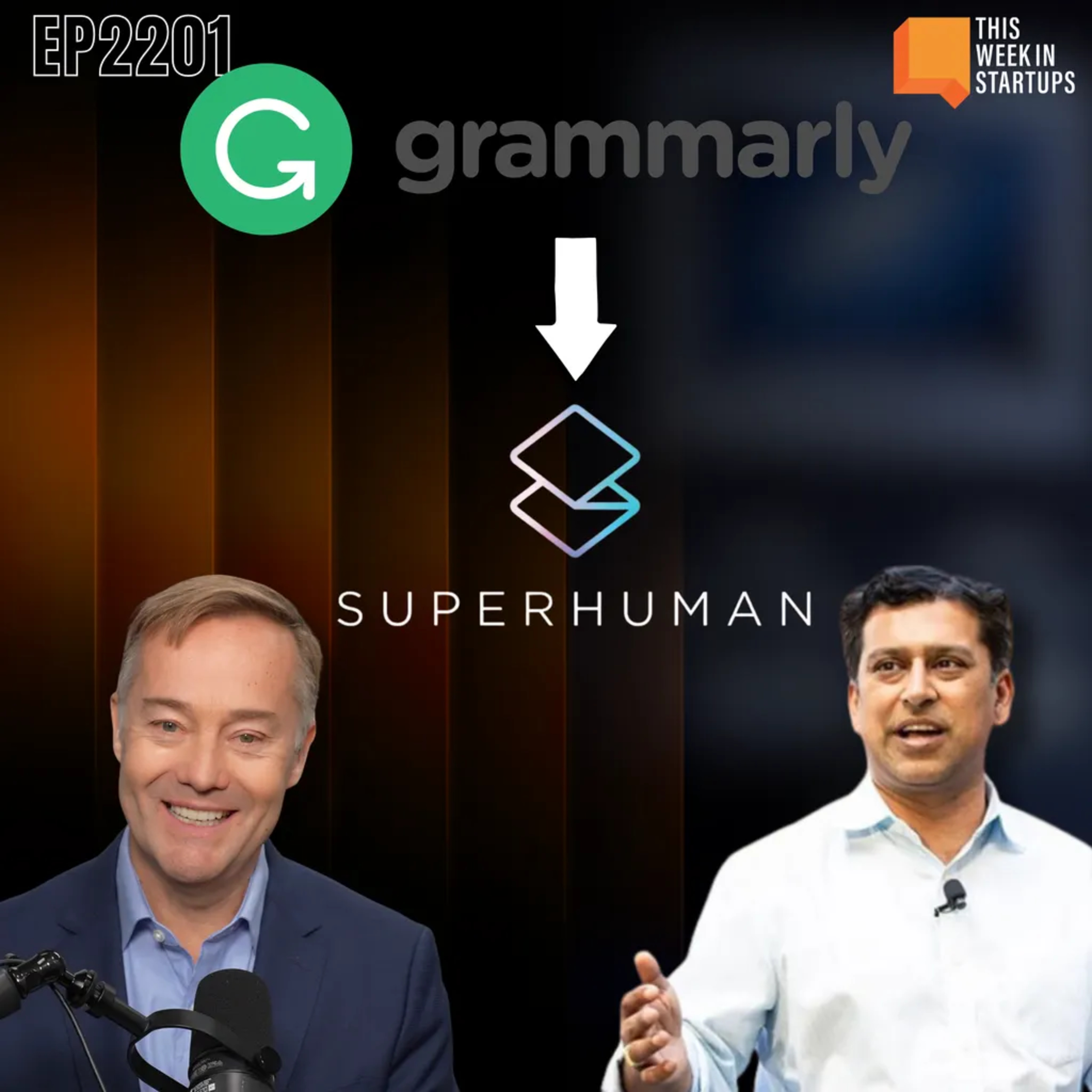
Founders are warned against being manipulated by late-stage investors who pressure them to strip rights (like pro-rata) from early backers. This disloyalty breaks trust and signals to new investors that the founder can also be manipulated, setting a dangerous precedent for future governance.
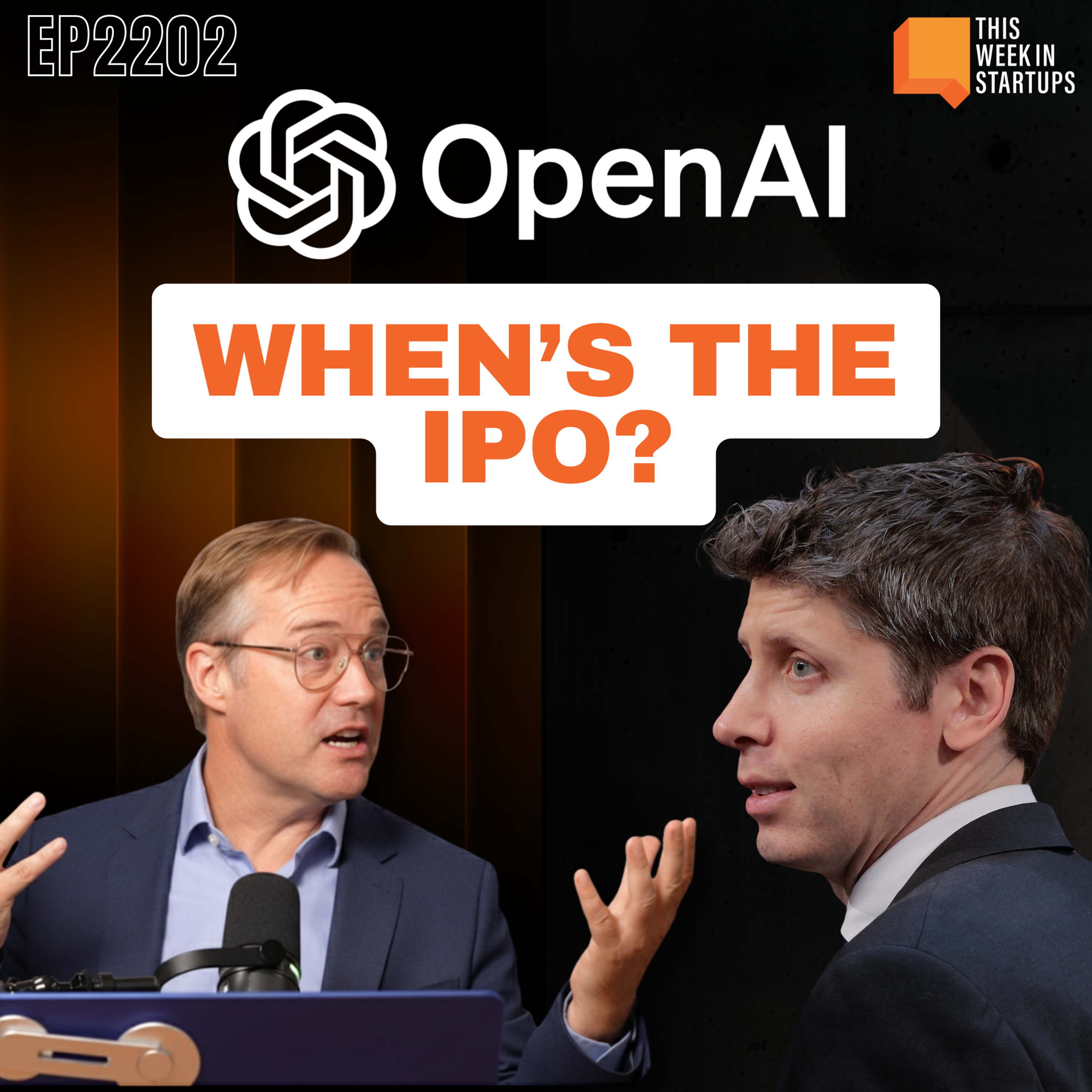
The core of Elon Musk's lawsuit is the argument that OpenAI breached its founding non-profit mission. The case's success hinges on keeping the focus on this alleged betrayal, but it is weakened whenever Musk's own ego and personality become the central issue during testimony.

In an acqui-hire where a startup is failing, the acquirer gains the team for little cost. Refusing to offer a token amount of stock to the startup's original investors is a major unforced error. It saves little money but creates a powerful enemy and reputational damage within the venture community.