Get your free personalized podcast brief
We scan new podcasts and send you the top 5 insights daily.
Instead of fighting Apple in U.S. courts, Spotify took its antitrust case to the European Union. They correctly identified that European regulators, who had prior battles with Apple over taxes, would be more receptive to their arguments. This demonstrates the strategy of "forum shopping" for the most advantageous legal environment.

Related Insights
To counter environmental and noise complaints in Tennessee, Elon Musk strategically located XAI's data center at the border of Tennessee, Mississippi, and Arkansas. This allows him to shift power generation infrastructure across state lines to avoid regulatory friction, a novel form of "regulatory arbitrage."

Beyond the US-China rivalry, a new front is opening between Brussels and Beijing. Incidents like the French suspension of fashion retailer Shein are not isolated but symptomatic of growing European mistrust and a willingness to take action. This signals a potential fracturing of global trade blocs and increased regulatory risk for Chinese firms in the EU.

By positioning itself as a platform agent, Apple sidesteps legal precedents that would limit who can sue for anti-competitive pricing. This shifts legal liability to developers, as consumers become the "direct purchasers" with legal standing to sue them over App Store prices.

Despite the federal DOJ settling its case against Live Nation, dozens of state attorneys general are continuing the lawsuit. This demonstrates a trend of states stepping in to enforce antitrust laws, serving as a critical check when federal enforcement is perceived as weak or politically influenced.

Apple's former top lawyer described their strategy as "sailing close to the wind," using a massive legal budget to aggressively fight battles that other companies would settle. This reputation for embracing legal risk acts as a commercial asset, scaring off potential challengers and solidifying their market position.
App stores justify their market control by claiming they are essential for user safety. Their failure to enforce their own explicit rules against X/Grok provides powerful evidence for antitrust regulators that this justification is a pretext, undermining their entire legal position.
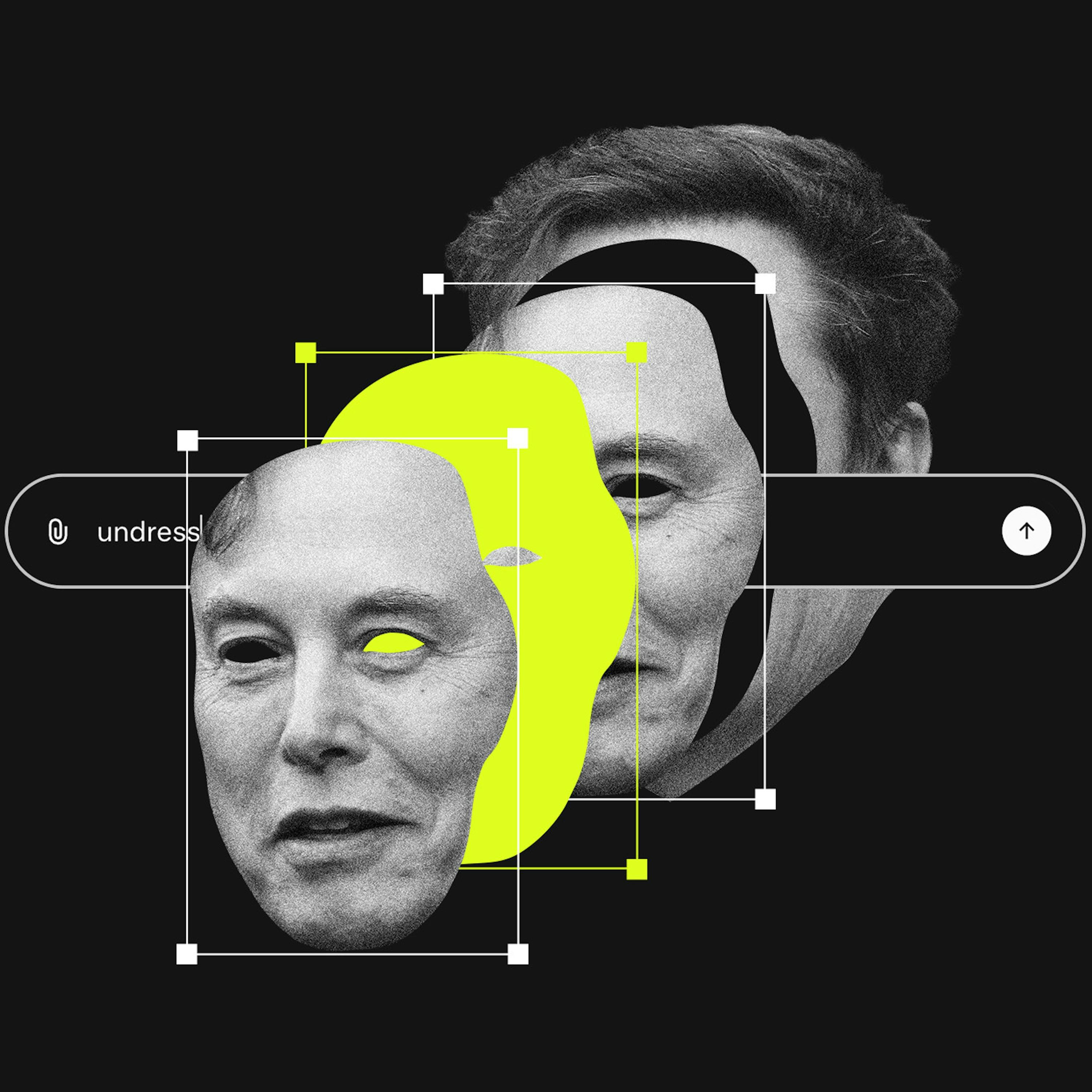
While politicians focus on taxing corporations, the real threat to tech monopolies is breaking them up. Forcing divisions like Google Search, Maps, and YouTube to compete independently dismantles their 'strategic monopoly,' a far more terrifying prospect for them than paying more tax on consolidated profits.

European regulations, intended to curb monopolies, ironically prevent local tech companies from scaling to compete with US and Asian giants. Prosus's forced divestiture of Delivery Hero exemplifies how this environment unintentionally helps foreign companies win in Europe.

For years, foreign governments hesitated to regulate US tech giants due to explicit threats of retaliatory tariffs from the U.S. Trade Representative, creating a favorable global environment for American tech monopolies.

Spotify's early success stemmed from launching in smaller European countries where record labels had less focus. This allowed them to secure more favorable licensing deals and avoid the costly legal battles and poor margins that strangled their US-based competitors, enabling them to reach critical mass first.