Get your free personalized podcast brief
We scan new podcasts and send you the top 5 insights daily.
Instead of deciding how to act in a moment of chaos or stress, make "pre-decisions" in a calm state. For example, decide ahead of time that you will be a forgiving person or maintain a good attitude during travel delays. This pre-programming makes it easier to follow through when tested.

Related Insights
Instead of focusing on your flaws, clearly define the specific habits and responses of your "best self." Recognizing when you deviate from these positive patterns serves as an early warning system, allowing you to intervene and course-correct before a challenge becomes a crisis.

Don't be surprised by consistently difficult individuals. Instead of reacting emotionally in the moment, anticipate their behavior and proactively plan your response to maintain control and composure, preventing them from dictating your mood.
True power comes not from reacting to problems but from anticipating them. By understanding the predictable patterns and challenges in business, relationships, or parenting, you can prepare in advance, which builds certainty and prevents fear-based decision-making.

Contrary to avoiding negative thoughts, contemplating dire situations and planning for them is a healthy mental exercise. This proactive problem-solving removes the element of surprise, builds confidence, and creates a sense of control, enabling faster and more certain action during an actual crisis.

To develop emotional neutrality for high-stakes business situations, practice with low-stakes "friction." For example, flip a coin to decide if you get your daily coffee. This inoculates you against disappointment and builds the muscle for handling real adversity.
To improve your adaptability after a setback, view yourself as the main character in a movie with a guaranteed happy ending. Then ask, 'What would this character do right now to move the plot forward?' This narrative device externalizes the problem and clarifies the next constructive action.

When facing a conflict, identify similar past situations. With detached hindsight, list the best/worst actions you could have taken. Then, mentally apply that 'future' advice to your current problem, leveraging the clarity that emotional distance provides.

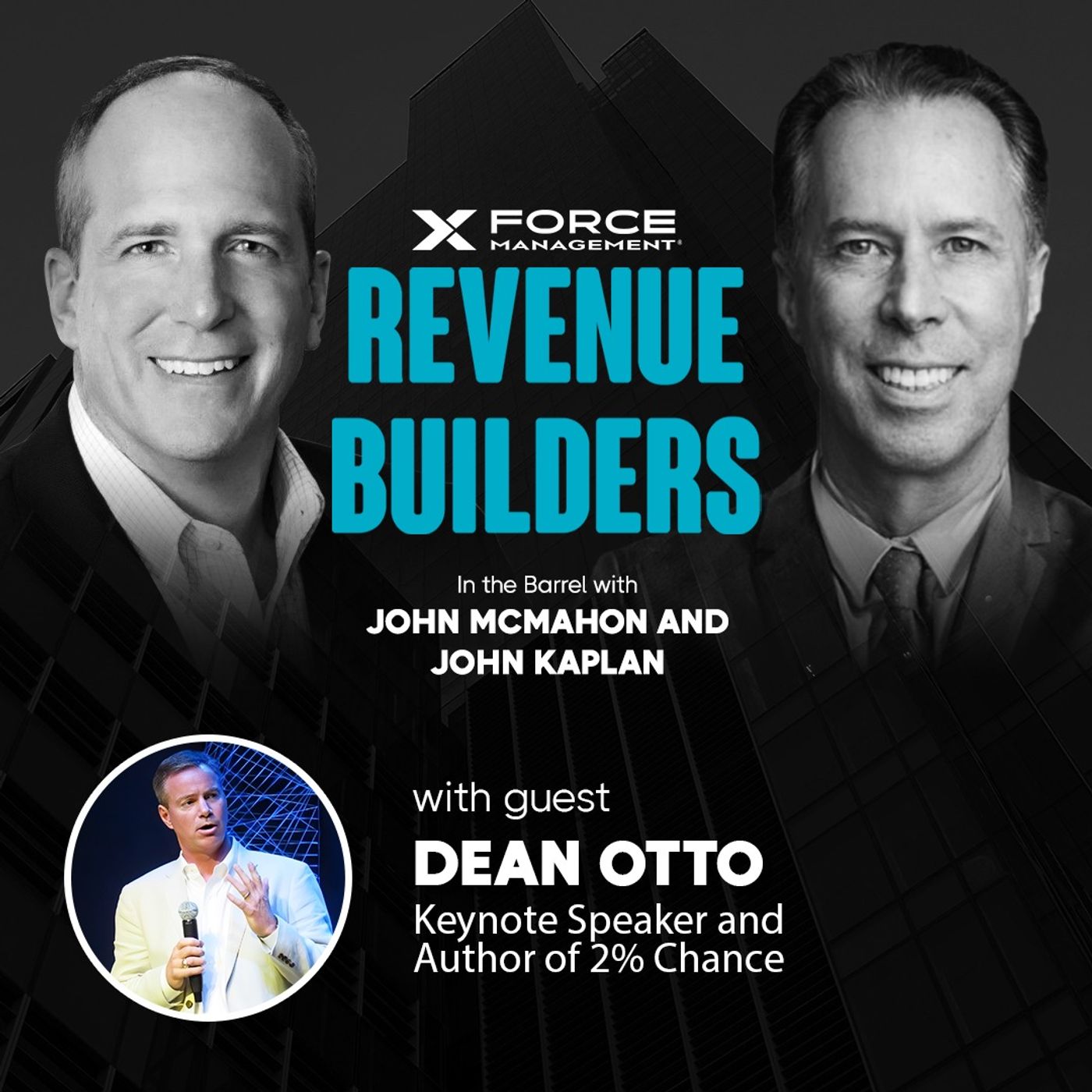
In crises, focus only on what's inside an imaginary "hula hoop" around you: your attitude and your actions. Surrender the outcome to external forces. This mental model, used by endurance athlete Dean Otto when paralyzed, prevents overwhelm and allows for clear-headed decision-making when stakes are highest.
Pain is a teacher, and growth only happens during challenging times. Instead of shrinking from adversity, train yourself to respond with "good." This simple verbal cue reframes the situation from a negative event to a "worthy opponent," encouraging you to lean in and find the lesson or opportunity within the hardship.

Expert performers eliminate nervousness by proactively scripting alternative paths, or "outs," for every possible mistake or unexpected event. Nerves stem from uncertainty, so by rehearsing plans B, C, and D, performers can handle any outcome with confidence.
