Get your free personalized podcast brief
We scan new podcasts and send you the top 5 insights daily.
Belgray used the "gateless method" (positive feedback only) to generate material without self-criticism. However, this approach failed when her editor required structure, proving that critical, constructive feedback is essential for the shaping and editing phases of a project.

Related Insights
Despite her reputation for quick, witty writing, Laura Belgray experienced a year of procrastination, self-doubt, and near-despair writing her book. This highlights the immense psychological challenge of long-form projects, even for seasoned professionals, and the value of sharing those struggles.
In writing 'The 99% Invisible City,' one author focused on including the best possible individual stories, while the co-author prioritized ensuring they fit into a cohesive book structure. This creative tension forced them to justify each inclusion and resulted in a stronger, more balanced final product.

Many writers view editing as a chore. Nick Thompson, CEO of The Atlantic, argues the opposite: editing is where the most creative work occurs. This is the phase where you confront core questions about audience, structure, and clarity, transforming raw ideas into a polished, impactful piece of communication.
Dr. Dispenza initially wrote with critics in mind, forcing him to meticulously back up his work, which created a strong foundation. Once the results of his work became undeniable, he consciously stopped catering to detractors. This two-step process allows for both intellectual rigor and creative freedom.

Author Steven Pressfield advises against writers' groups for feedback. You risk getting input from peers who lack expertise and may be motivated by jealousy. This can be more destructive than helpful. Instead, find a single, trusted mentor who truly understands your vision.

Instead of writing in isolation, treat the creative process like software development. Heath created six 'versions' of his book, getting extensive reader feedback on five full drafts. This iterative approach, borrowed from agile, accelerates learning and dramatically improves the quality of the final product.
The host improved his fiction writing not by having AI generate text, but by prompting it to act as his "meanest but smartest critic." This adversarial feedback loop was more effective than any other tool for developing his voice.

Author Laura Belgray's editor criticized her early draft for lacking a point. Belgray learned she had to turn her anecdotes into true stories by finding the deeper meaning and takeaway in each one, asking herself, "Why am I telling this?" rather than just ending with "it was funny."
Instead of seeking feedback on a finished manuscript, authors can use a "writer's room" mid-process. Assembling a group to brainstorm and challenge plot points leads to a better final product because the author is less attached to the material and more open to fundamental changes.
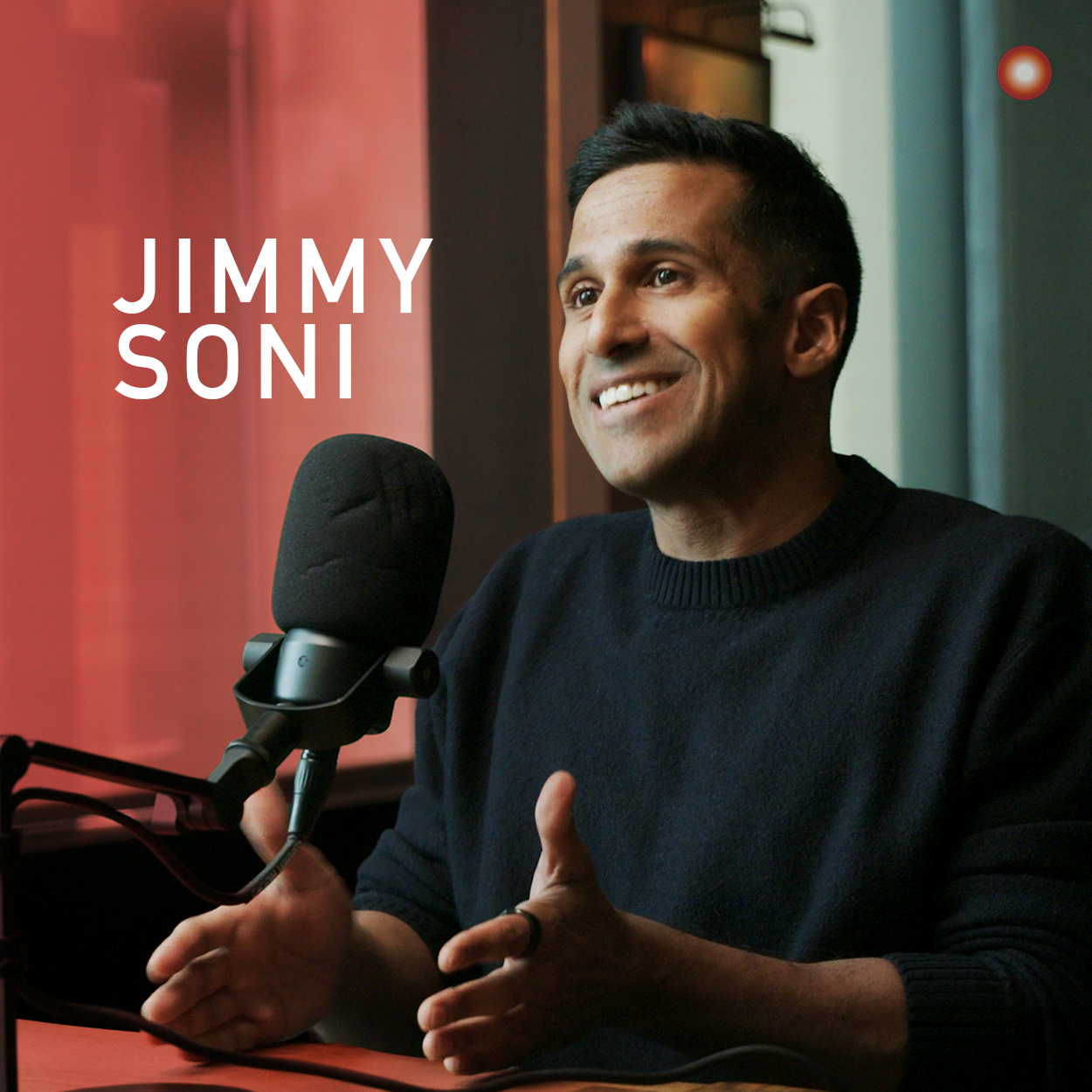
A writer learned to handle editorial feedback by thinking of it as "weather"—an unavoidable, impersonal part of the creative process. This perspective shift neutralizes the emotional reaction and allows one to focus on navigating the feedback constructively.