Get your free personalized podcast brief
We scan new podcasts and send you the top 5 insights daily.
A critical flaw for AI integration in Slack is its inability to access the content of direct messages and private group chats. Since important work often happens in these channels, it blinds any "AI Oracle," creating a major opportunity for competitors designed with total data access in mind.

Related Insights
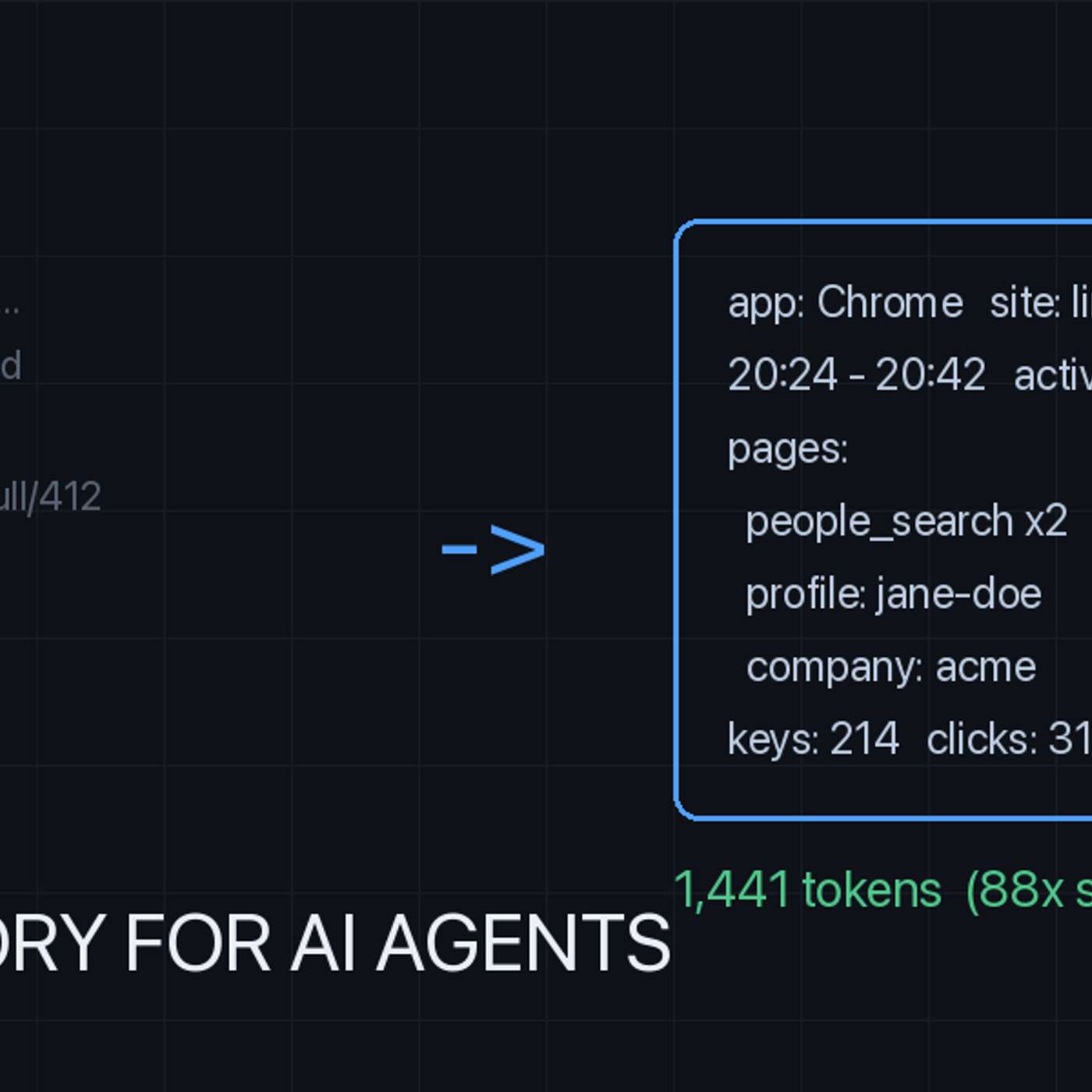
Current AI agents focus on "conversation memory" (what you tell them), completely missing the vast context of a user's actual work—like code commits, browsing sessions, or abandoned emails. This creates a significant blind spot in their understanding of user context and intent, as most work happens outside the chat window.
Zapier encourages teams to move communications from private DMs to public Slack channels. While this aids human transparency, the primary driver is strategic: it makes a much richer dataset of context available to the company's internal AI agents, dramatically improving their effectiveness.

A critical hurdle for enterprise AI is managing context and permissions. Just as people silo work friends from personal friends, AI systems must prevent sensitive information from one context (e.g., CEO chats) from leaking into another (e.g., company-wide queries). This complex data siloing is a core, unsolved product problem.

AI coding agents thrive because developers have broad codebase access and work in a text-based medium. Enterprise knowledge work is stalled by fragmented data access, complex permissions, and multi-modal information (calls, meetings), which are significant hurdles for current AI.
According to AWS's VP of Agentic AI, the primary struggle for enterprises is that critical context is siloed in 'walled gardens' like Outlook, Slack, and other SaaS tools. The most valuable function of AI agents is not just task automation, but their ability to work across these applications to gather and synthesize context, bridging the gaps.

While messaging platforms like Slack can serve as an interface for human-to-agent communication, they are fundamentally ill-suited for agent-to-agent collaboration. These tools are designed for human interaction patterns, creating friction when orchestrating multiple autonomous agents and indicating a need for new, agent-native communication protocols.

To centralize context from multiple clients without direct integration, create dedicated Slack channels. Have client tools automatically post data like call transcripts to these channels, which an AI agent can then monitor and ingest.

When a user wants their AI agent to have deep access to a SaaS tool like Slack and is denied, they can now use the agent to migrate to an open-source alternative like Mattermost. This creates immense pressure on incumbent SaaS companies to provide robust, open APIs or risk losing customers.

A chatbot is a necessary interface for multi-turn interactions but shouldn't be the primary entry point. The most effective domain-specific agents are accessible from natural "on-ramps" within a user's existing workflow, such as a Slack conversation or a meeting summary.

To maximize an AI agent's effectiveness, treat it like a team member, not just a tool. Integrate it directly into your company's communication and project management systems (like Slack). This ensures the agent has the full context necessary to perform its tasks.
