Get your free personalized podcast brief
We scan new podcasts and send you the top 5 insights daily.
Despite the AI hype, Hinge's tech leader draws a hard line: non-engineers use AI for prototyping and learning, but only engineers ship production code. This conservative stance prioritizes long-term code quality and maintainability over the short-term speed gains from a "everyone is a builder" approach.

Related Insights
AI is restructuring engineering teams. A future model involves a small group of senior engineers defining processes and reviewing code, while AI and junior engineers handle production. This raises a critical question: how will junior engineers develop into senior architects in this new paradigm?

While AI tools make it easy for anyone to build a prototype ('vibe code'), few are equipped to operate a production service. This creates a tension where leaders must encourage broad experimentation to find good ideas but maintain strict quality gates for anything customer-facing to ensure reliability and trust.

To keep pace with AI development, the barrier between design and engineering must fall. Intercom made it a non-negotiable job requirement for every product designer to ship code to production. This empowers them to fix UI bugs directly and accelerates the entire development cycle.

As AI handles routine coding, the most valuable engineers are either "dreamers" with strong product sense who can own features end-to-end, or deep subject matter experts who can verify and handle the complex, trust-critical parts of the system where human verification is still essential.

Anthropic mandates that all people managers, regardless of their background, must actively build and ship product. This isn't just a "player-coach" model; it's a requirement to ensure leadership intimately understands the modern AI-native development process, enabling them to better invest in tooling and training.

Contrary to the belief that AI levels the playing field, senior engineers extract more value from it. They leverage their experience to guide the AI, critically review its output as they would a junior hire's code, and correct its mistakes. This allows them to accelerate their workflow without blindly shipping low-quality code.

The "vibe coding" trend, where non-technical staff use AI to rapidly build prototypes, is a legitimate accelerator for innovation. However, it's not yet a substitute for professional engineers when building scalable, mission-critical systems that are ready for deployment.
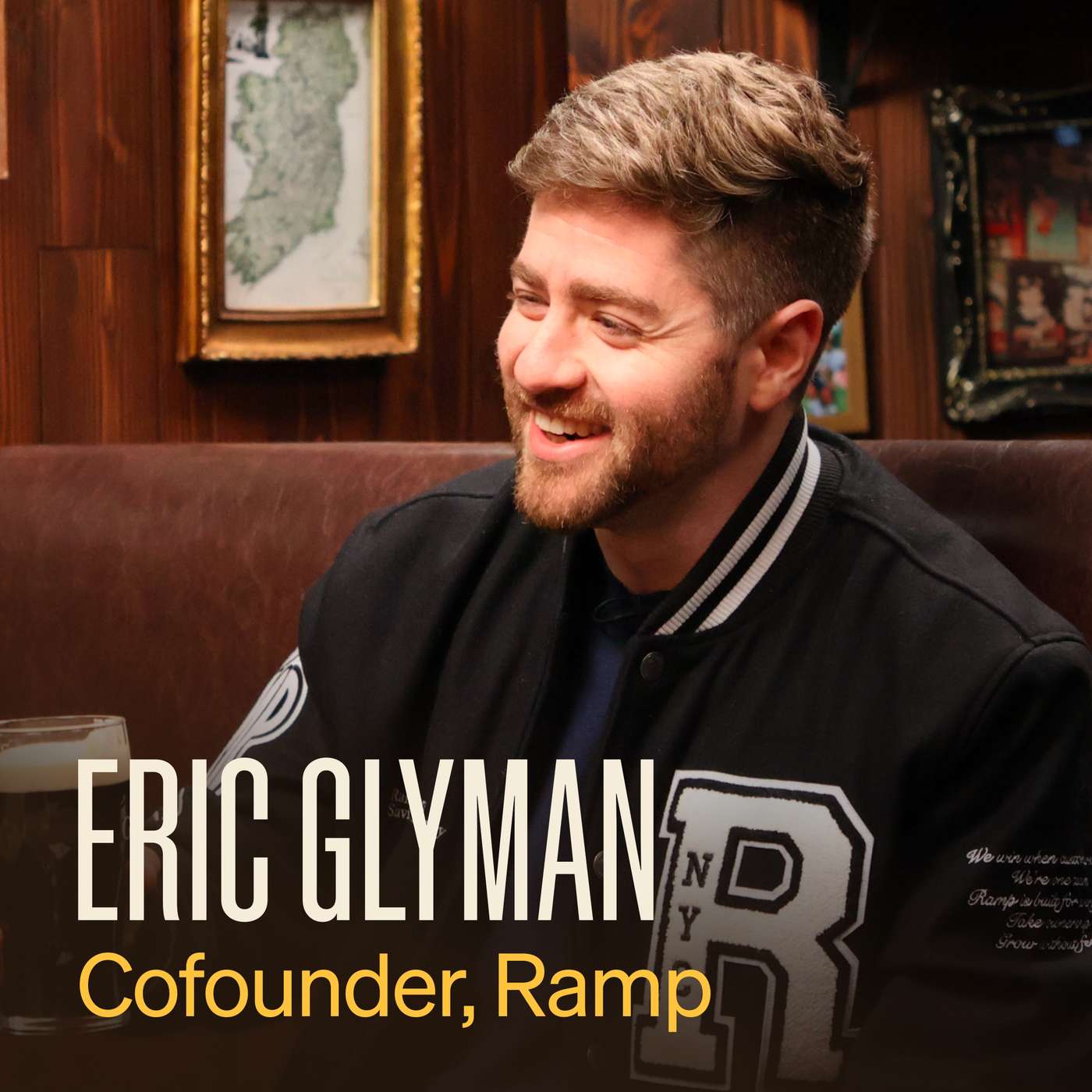
With AI coding assistants, the barriers to shipping software are eroding. At Ramp, designers and customer support agents are now shipping code to production. This suggests a future where the traditional, siloed Engineering, Product, and Design (EPD) team structure becomes obsolete.
AI tools are democratizing software development, shrinking teams, and blurring roles. CPOs can no longer be pure strategists; they must embrace a "builder" mindset and actively code to lead effectively in this new environment, as their teams will expect them to.
Snap invested in its platform for over a decade, creating a robust codebase that allows non-engineers to contribute code safely. This reduces the blast radius of potential outages or performance regressions, allowing for faster iteration by breaking down traditional role barriers.
