Get your free personalized podcast brief
We scan new podcasts and send you the top 5 insights daily.
Snap invested in its platform for over a decade, creating a robust codebase that allows non-engineers to contribute code safely. This reduces the blast radius of potential outages or performance regressions, allowing for faster iteration by breaking down traditional role barriers.

Related Insights
Laurel enables non-technical employees, including Product and Customer Success Managers, to build and ship full-stack features using agentic AI tools like Devin. This blurs traditional role boundaries and dramatically accelerates development cycles.

To keep pace with AI development, the barrier between design and engineering must fall. Intercom made it a non-negotiable job requirement for every product designer to ship code to production. This empowers them to fix UI bugs directly and accelerates the entire development cycle.

In Anthropic's small (3-5 person) AI pods, traditional roles are fluid. A team member's title merely indicates a specialty, not a boundary. Designers push code to production and engineers contribute to design, fostering a shared responsibility that accelerates development.

Even before AI, Linear moved away from the "software factory" model where PMs decide, designers draw, and engineers code. They empower the builders (designers and engineers) to make critical decisions during execution. This prevents bad ideas from being implemented just because they were "approved" and improves overall product quality.

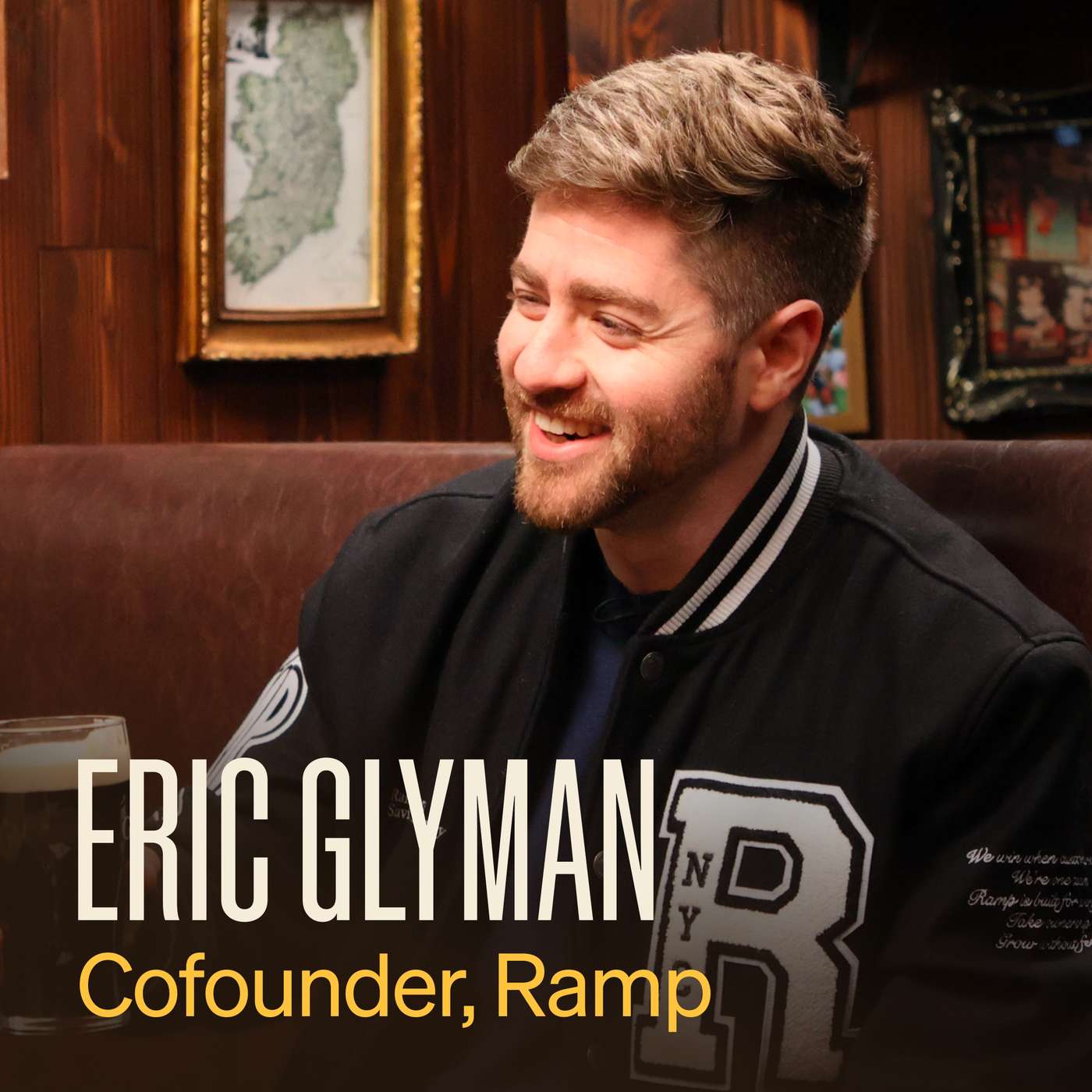
Ramp's internal tool, "Inspect," allows non-technical roles like PMs and designers to generate and merge production-ready code. This dramatically accelerates development for quality-of-life improvements and minor features, activating the entire company as builders, not just the engineering team.

Instead of siloing roles, encourage engineers to design and designers to code. This cross-functional approach breaks down artificial barriers and helps the entire team think more holistically about the end-to-end user experience, as a real user does not see these internal divisions.
With AI coding assistants, the barriers to shipping software are eroding. At Ramp, designers and customer support agents are now shipping code to production. This suggests a future where the traditional, siloed Engineering, Product, and Design (EPD) team structure becomes obsolete.
To maximize speed, V0 operates with a "no handoffs" philosophy. Everyone, including designers and product managers, is expected to contribute code and submit their own pull requests. This "full-stack PM" model minimizes the coordination costs and wasted cycles of explaining changes.

Over 90% of Cash App's design org now ships production code, a transformation enabled by internal code fluency programs. This blurs the lines between roles, creating a new "builder" archetype who can take ideas from concept to launch independently.
The next evolution of the "generalist" is not just a full-stack engineer, but a product manager, designer, or even finance person who also writes code. On Anthropic's Cloud Code team, every member, regardless of primary role, contributes to the codebase.