Get your free personalized podcast brief
We scan new podcasts and send you the top 5 insights daily.
In the AI era, foundation models can render complex, custom-built features obsolete overnight. This requires a culture where teams willingly discard their own hard-built IP without ego, accepting their work has a short shelf life.

Related Insights
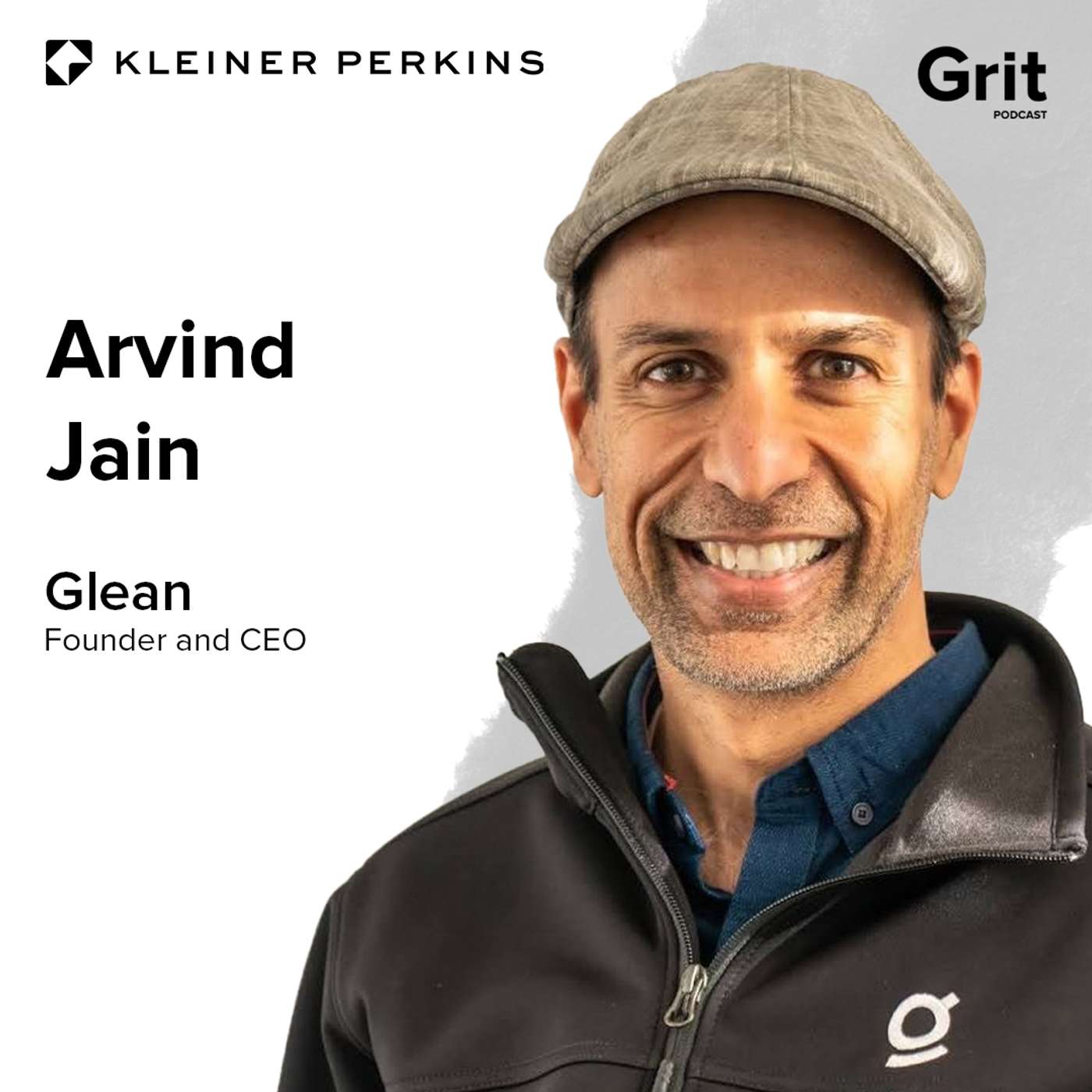
To maintain agility in the fast-paced AI landscape, Arvind Jain actively encourages his R&D team to throw out old code. He believes rewarding code deletion at the same level as building new features is essential to prevent the company from slowly becoming a legacy software stack.
The "bitter lesson" of AI applies to product development: complex scaffolding built around model limitations (like early vector stores or agent frameworks) will inevitably become obsolete as the models themselves get smarter and absorb those functions. Don't over-engineer solutions that a future model will solve natively.

In the age of AI, perfection is the enemy of progress. Because foundation models improve so rapidly, it is a strategic mistake to spend months optimizing a feature from 80% to 95% effectiveness. The next model release will likely provide a greater leap in performance, making that optimization effort obsolete.

Non-technical founders using AI tools must unlearn traditional project planning. The key is rapid iteration: building a first version you know you will discard. This mindset leverages the AI's speed, making it emotionally easier to pivot and refine ideas without the sunk cost fallacy of wasting developer time.

The rapid pace of AI innovation means today's cutting-edge research is irrelevant in three months. This creates a core challenge for founders: establishing a stable, long-term company vision when the underlying technology is in constant, rapid flux. The solution is to anchor on the macro trend, not the specific implementation.

Contrary to the classic engineering rule to "never rewrite," Block's CTO believes AI will make this the new standard. He is pushing his teams to imagine a world where for every release, they delete the entire app (`rm -rf`) and rebuild it from scratch, with AI respecting all incremental improvements from the previous version.

The founder of Stormy AI focuses on building a company that benefits from, rather than competes with, improving foundation models. He avoids over-optimizing for current model limitations, ensuring his business becomes stronger, not obsolete, with every new release like GPT-5. This strategy is key to building a durable AI company.

In the fast-paced AI landscape, success is fleeting. The underlying models and capabilities are advancing so rapidly that market leaders must fundamentally reinvent their company and product every six to nine months. Stagnation for even a year means falling hopelessly behind, as demonstrated by Cursor's evolution from auto-complete to managing agentic swarms.

With vibe coding, prototypes are cheap and disposable. A critical skill is recognizing when you're iterating on a flawed foundation. Instead of trying to fix a bad start, it's often more efficient to 'nuke it from orbit,' refine your requirements, and generate a new version.
To transition to AI, leaders must ruthlessly dismantle parts of their existing, money-making codebase that are not competitively differentiating or slow down AI development. This requires overcoming the team's justifiable pride and emotional attachment to legacy systems they built.