Get your free personalized podcast brief
We scan new podcasts and send you the top 5 insights daily.
Unlike commercial smart gadgets where consumers can choose alternatives, power down devices, or leave phones home, public surveillance cameras offer no opt-out mechanisms. Backlash escalates because residents are compelled to fund non-consensual surveillance systems directly through rising municipal property taxes.

Related Insights
Unlike past anger at platforms like Facebook, which users chose to engage with, the backlash against data centers and surveillance is different. It's a reaction to technologies being imposed on communities without their consent or a clear consumer benefit, violating a core American value of rejecting top-down control.
Automated private surveillance tools like Flock Safety cameras present significant trade-offs despite claims of crime reduction. Beyond reported cases of police officers abusing camera access to stalk personal contacts, continuous automated surveillance feeds encourage public reactivity, where observers mistake benign actions for criminal activity and trigger unnecessary confrontations that would not have existed otherwise.

The podcast highlights a core paradox: widespread fear of corporate surveillance systems like Ring coexists with public praise for citizens using identical technology (cell phones) to record law enforcement. This demonstrates that the perceived controller and intent, not the technology itself, dictate public acceptance of surveillance.
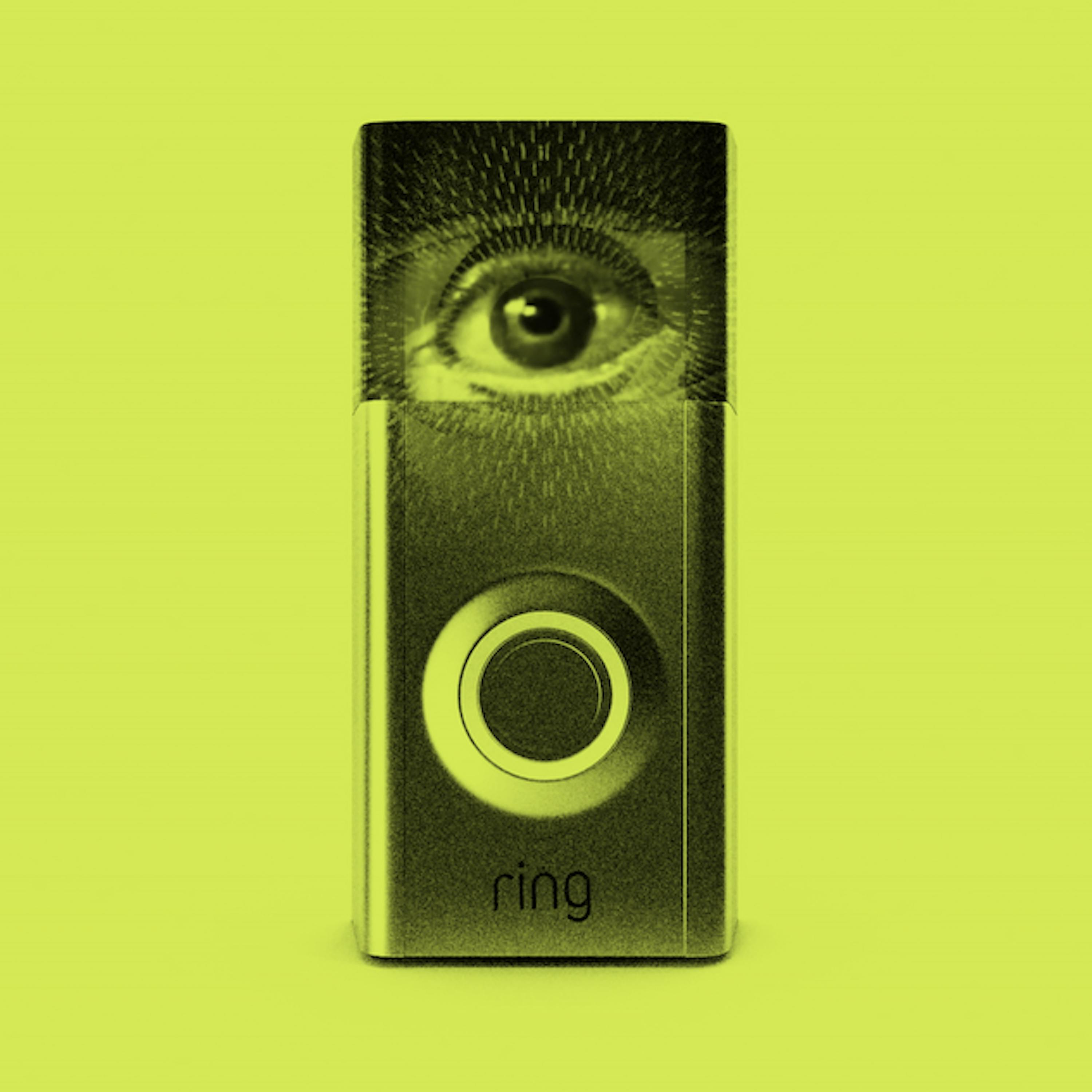
Schiff highlights how the intersection of automated public cameras, consumer microphones, and multimodal AI is eliminating residual privacy. Because models can be trained to aggregate health files, monitor broadcast consumption, and eavesdrop through connected devices, statutory protections must go beyond traditional public conduct rules to actively prevent technological models and private surveillance vendors from systematically destroying privacy.
The backlash against AI data centers is less about the technology itself and more a proxy for public frustration. Citizens feel a future they didn't choose is being imposed on them by a powerful few, making the debate about oligarchy, not Skynet.

Completely eliminating surveillance may be unworkable in a democracy where many citizens desire safety measures, but practical guardrails can restore public trust. Municipalities can require write-once immutable storage for all search audit trails while letting law-abiding citizens formally opt out of automated tracking at the DMV.
The debate over Flock's license plate readers highlights a societal contradiction. Citizens broadly oppose mass surveillance on privacy grounds but demand the use of these exact tools to solve crimes after they occur, creating a constant policy tension.

A laser-focused company mission can backfire if it lacks explicit ethical and privacy constraints. Defining a company solely by reducing neighborhood crime leads naturally to aggressive surveillance tech like license plate readers, prompting public anger, community protests, and operational fallout when privacy boundaries are crossed.

Hostility such as vandalizing street surveillance equipment or threatening municipal officials damages constructive reform efforts. Destructive actions provide law enforcement with stronger justification to increase security budgets and expand camera installations across city streets.
Opposition to automated license plate reading systems like Flock is surging rapidly across the political spectrum, mirroring community pushback against physical data centers. Rather than ordinary traffic enforcement, citizens and local officials increasingly view these widespread, visible camera networks and their shared nationwide databases as concrete symbols of uncontrolled mass surveillance, software error risk, and privacy overreach.
