Get your free personalized podcast brief
We scan new podcasts and send you the top 5 insights daily.
Coinbase is eliminating pure people-manager roles, citing AI-driven productivity gains. Leaders are now expected to manage 15 or more direct reports—up from a previous cap of six—while also functioning as individual contributors, signaling a major shift in corporate structure.

Related Insights
AI automates the entry-level "grunt work" that traditionally formed the base of the corporate pyramid. This transforms organizations into diamond shapes, with fewer junior roles. This poses a new challenge: junior hires may know AI tools but lack the wisdom and judgment gained from that foundational experience.

Don't think of AI as replacing roles. Instead, envision a new organizational structure where every human employee manages a team of their own specialized AI agents. This model enhances individual capabilities without eliminating the human team, making everyone more effective.

Cash App is moving beyond siloed roles like "designer" or "PM." They see three fluid archetypes: DRIs who set vision, ICs who build with high craft, and Player-Coaches who lead teams while remaining accountable for output, eliminating pure "people managers."

Inspired by new AI capabilities, Jack Dorsey is restructuring Block to eliminate traditional middle management. The new model uses 'directly responsible individuals' for outcomes and hands-on 'player coaches,' suggesting a new organizational paradigm driven by AI-augmented efficiency and accountability.

A Coinbase engineering director reports that after scaling AI adoption, his calendar is "almost empty." The massive reduction in coordination overhead—fewer prioritization meetings, status updates, and roadmap discussions—is a primary benefit, allowing leaders to spend more time writing code themselves.

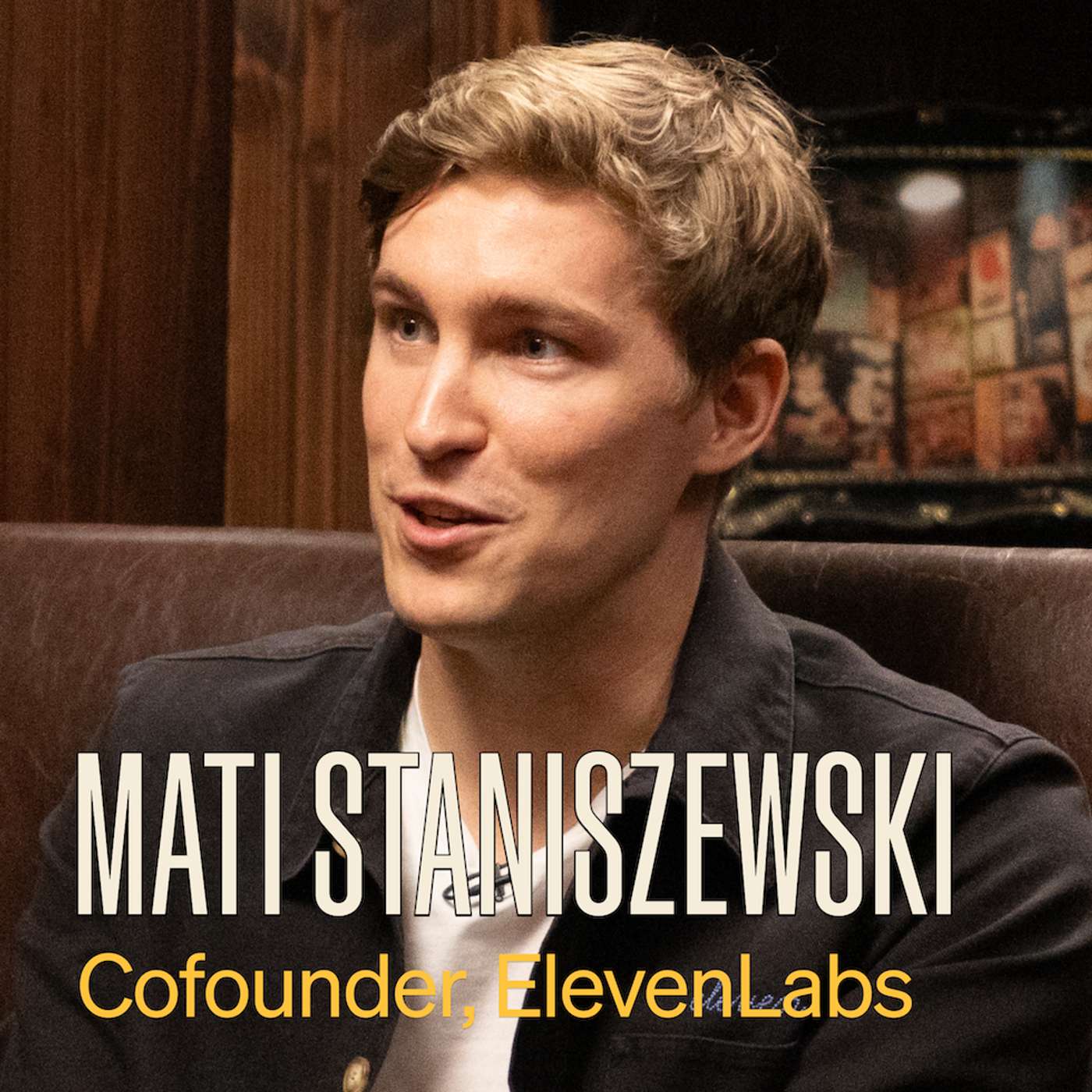
Traditional management suggests a span of control around 8. By leveraging AI and fostering high agency, ElevenLabs builds a much flatter organization where leaders, including the co-founders, manage over 15 direct reports each. This structure increases speed and reduces bureaucracy.
In an AI-centric company, traditional management layers are replaced by three durable roles: Individual Contributors (builders), Directly Responsible Individuals (owners of outcomes), and Player Coaches (mentors who also build and show, rather than just tell).

AI empowers individuals to perform tasks outside their traditional roles, like PMs coding prototypes. This breaks down siloed, assembly-line workflows. Leaders must now redesign their org charts to support a more collaborative model where disciplines overlap significantly, like intermeshing gears.

The exponential increase in individual output from AI tools negates the need for traditional, multi-layered management structures. Cash App flattened its design org to just three layers from the CEO, enabling faster decision-making and adaptation to rapid technological change.
Shift from departments staffed with people to a single owner who directs AI agents, automations, and robotics to achieve outcomes. This structure maximizes leverage and efficiency, replacing the old model of "throwing bodies" at problems.
