Get your free personalized podcast brief
We scan new podcasts and send you the top 5 insights daily.
The events business is a fast-growing segment, not by increasing volume, but by doing fewer, higher-quality events. The strategy focuses on creating global "cultural moments" like the Met Gala, which leverage the company's entire global reach for promotion and drive exponential viewership growth.

Related Insights
Instead of buying entire sports seasons, Netflix acquires single, high-impact events like a Christmas NFL game. This 'eventizing' strategy creates maximum buzz for a lower relative cost by turning content releases into unforgettable, can't-miss dates on the cultural calendar.

The company sees success at two ends of a spectrum: massive, authoritative brands like Vogue and small, loyal niche brands like Pitchfork. The brands that struggle are caught in the middle—too broad to be niche but not authoritative enough to be a category leader.
Rather than creating disparate events, Canva designs its annual "Canva Create" conference as a central brand moment with tailored tracks for different audiences like enterprise customers, educators, and creators. This "center of gravity" approach allows them to make the investment work harder and deliver a cohesive brand experience at scale.

Contrary to the view that events are difficult and not scalable, Semafor's CEO considers them one of the highest-margin businesses adjacent to quality journalism. He is pleased when competitors dismiss events, viewing their skepticism as a competitive advantage that leaves a profitable market open.

Fashion Week's relevance has not diminished but shifted. It's now less about editors and more of a brand-driven spectacle attracting tech billionaires and influencers, highlighting the enduring power of high-status, in-person experiences in a digital world.
Brands maximize the ROI of expensive activations like those at the Super Bowl by reframing them as 'production days.' Instead of a one-off event, they become content engines for social media and creative campaigns, using influencers and programming to reach a much broader audience.

Christian Muche's event "Possible" thrives by targeting the gap between small, 200-person boutique events and massive 60,000-person conferences. This middle ground allows for meaningful connections at a larger scale than niche events, but with more focus and curation than mega-events.

Major fashion houses spend €5-6 million on a single show for an exclusive audience of 300-400 people. This massive investment transforms the event from a creative showcase into a high-stakes business gamble, where immediate positive reaction is critical to justify the cost.
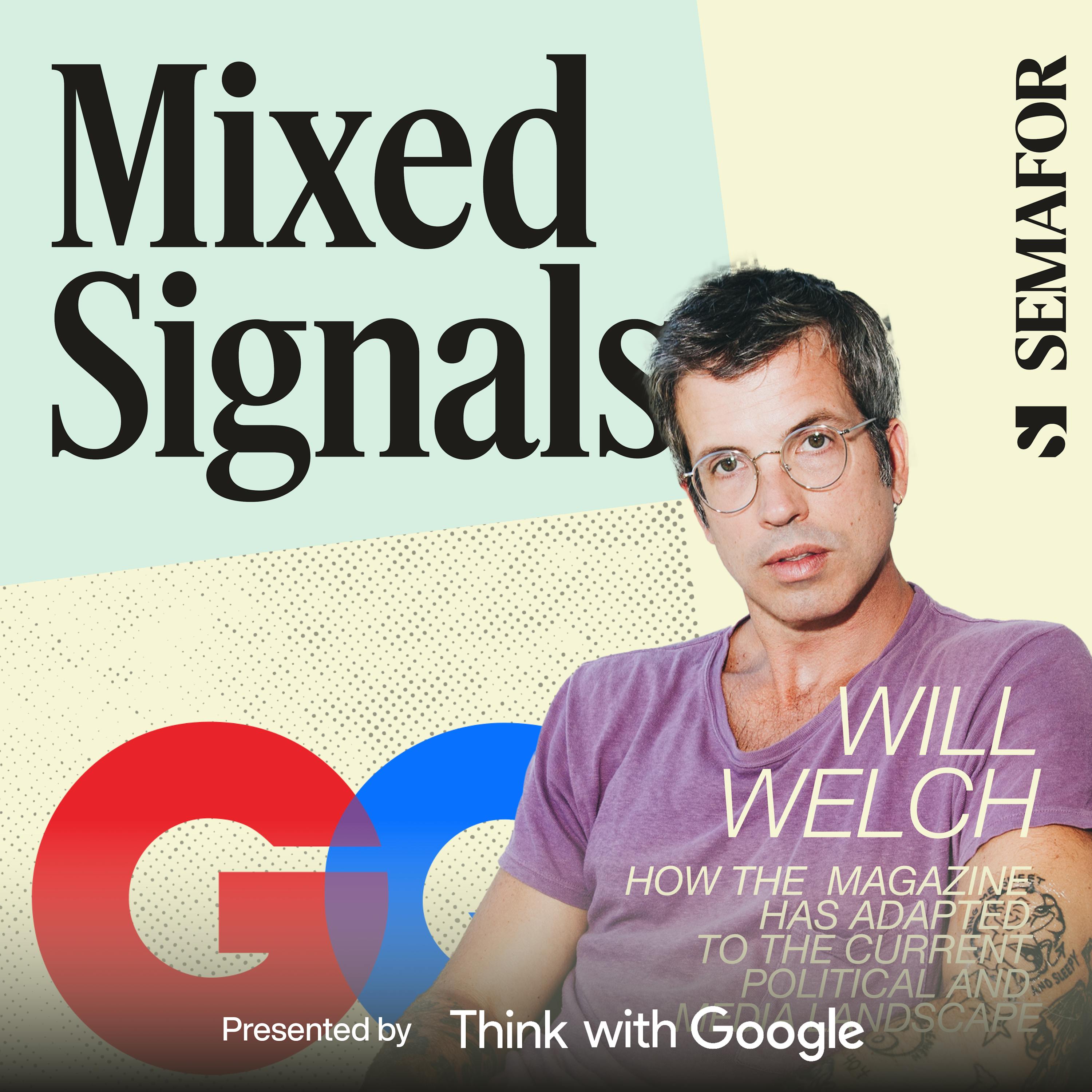
GQ's fast-growing events business treats physical gatherings like "Men of the Year" not as standalone parties, but as the center of a massive, integrated content operation. This ecosystem includes a month-long drumbeat of print and digital content leading up to the event, which itself becomes a major content creation moment.
Instead of focusing on a single marketing discipline, the "Possible" event succeeded by creating a single venue for the entire modern marketing ecosystem—including technology, culture, and the creator economy. This holistic approach provided a unique value proposition in a saturated market.