Get your free personalized podcast brief
We scan new podcasts and send you the top 5 insights daily.
Contrary to the view that events are difficult and not scalable, Semafor's CEO considers them one of the highest-margin businesses adjacent to quality journalism. He is pleased when competitors dismiss events, viewing their skepticism as a competitive advantage that leaves a profitable market open.

Related Insights
The CEO identifies the single most important decision behind Semafor's success as a maniacal focus on talent and a psychologically healthy culture. He directly links this disciplined approach to hiring and culture protection to achieving a profitable, $40 million revenue model, framing it as a core business driver, not a soft benefit.
Endeavor CEO Ari Emanuel calls his focus on live events "the opposite of an AI bet." The logic is that as AI makes digital content abundant, the scarcity and value of real-world, in-person human experiences will skyrocket. This is a powerful counter-narrative that leverages the AI trend to its advantage.

While competitors focus on scalable AI and digital products, a significant, less-crowded opportunity exists in high-touch, in-person (IRL) experiences. This "anti-trend" approach creates a strong competitive moat and appeals to audiences fatigued by digital overload.

The ROI of attending an event extends beyond lead generation. A key, often overlooked, metric is client retention. Simply showing up at an industry event can prevent existing customers from churning to a competitor who is present, making defensive retention a primary pillar of event strategy.

Before seeking budget for an event, you must define its strategic purpose. Frame it not as an expense, but as a direct path to achieving core stakeholder objectives like business growth and stronger client relationships. If you can't define the 'why,' don't proceed.

Marketing high-priced in-person events requires less "shtick" than digital equivalents. The inherent scarcity (limited seats), tangible experience, and human craving for connection are powerful, built-in marketing hooks that digital products struggle to replicate authentically.
Semafor intentionally involves its top journalists in building events from the very beginning. This gives the newsroom a sense of ownership and ensures the events are editorially driven and newsworthy. This model prevents the common media pitfall where events feel like a separate commercial obligation foisted upon journalists.
Semafor's CEO justifies its valuation by calculating it against next year's projected revenue, not last year's actuals. This forward-looking multiple makes the valuation appear cheaper than competitors like Axios and Politico at their exits, especially given Semafor's higher growth rate at a younger age.
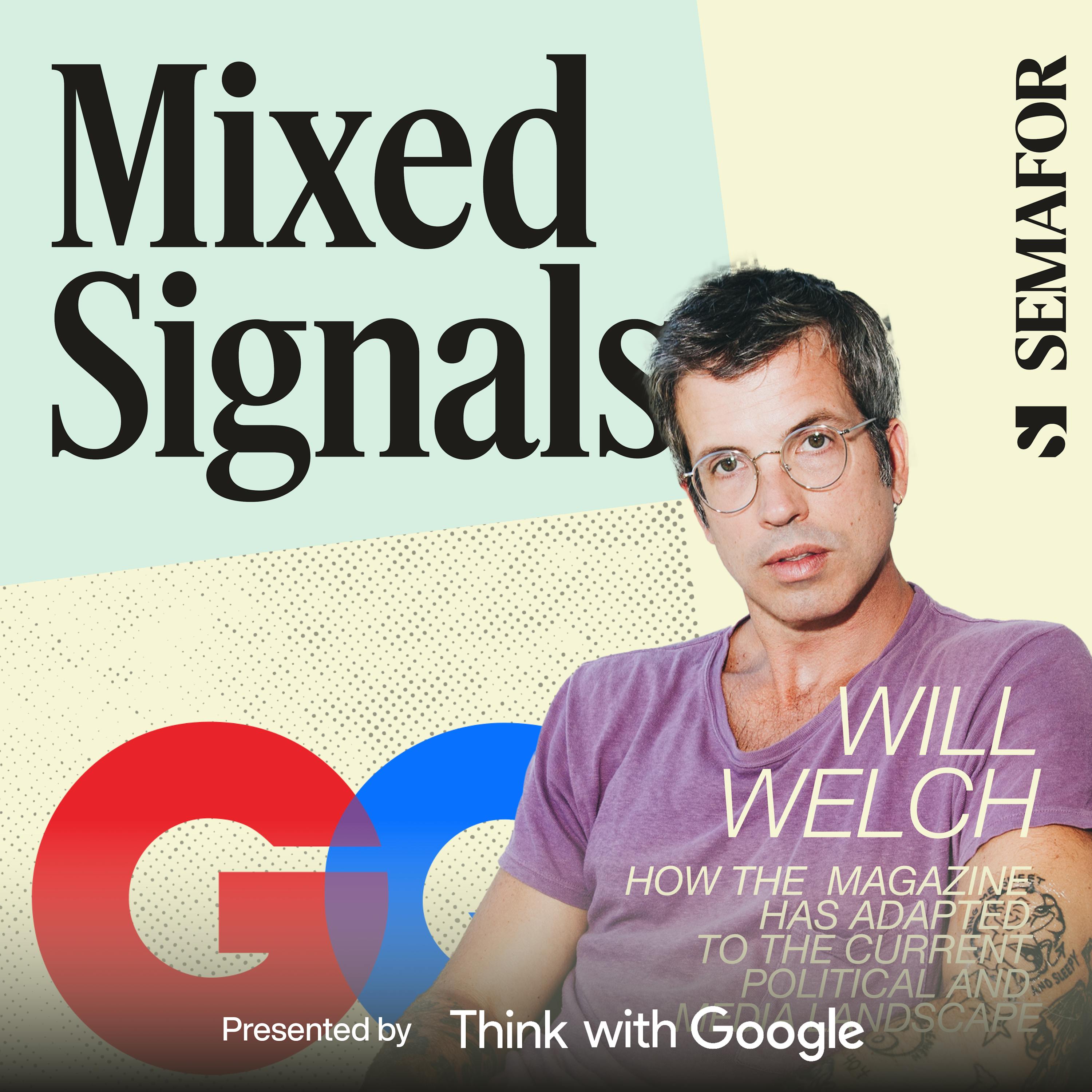
GQ's fast-growing events business treats physical gatherings like "Men of the Year" not as standalone parties, but as the center of a massive, integrated content operation. This ecosystem includes a month-long drumbeat of print and digital content leading up to the event, which itself becomes a major content creation moment.
In-person events create a powerful, hard-to-replicate competitive moat. While rivals can easily copy your digital products or content with AI, they cannot replicate the unique community, experience, and brand loyalty fostered by well-executed IRL gatherings.