Get your free personalized podcast brief
We scan new podcasts and send you the top 5 insights daily.
Unlike single-brand retailers whose fortunes rise and fall with product popularity, Walmart's marketplace model provides long-term resilience. It can simply sell whatever is popular, including knockoffs of trendy items, making it immune to the volatile sales cycles that affect single brands.

Related Insights
Walmart is no longer just a brick-and-mortar retailer. It's building a multi-faceted business with revenue from its marketplace, pickup/delivery services, advertising, and a membership program (Walmart+), strategically following Amazon's successful diversification model to find new growth levers.
Physical products are easily copied. While patents help, brand is the most durable competitive moat. A strong brand lowers acquisition costs, increases lifetime value, and commands premium pricing—advantages that copycats cannot replicate, even if they perfectly clone the product.

While Amazon masters digital and Costco dominates physical retail, Walmart is uniquely succeeding by becoming fluent in both. By seamlessly integrating its massive physical footprint with a strong e-commerce and app experience, Walmart has created a powerful 'omnichannel' model that pure-play competitors struggle to replicate, driving its stock to all-time highs.

Unlike typical companies where scale boosts margins, Walmart's have declined. This is a deliberate "scale economies shared" strategy: they reinvest efficiency gains into lower customer prices. This sacrifices short-term profit for a nearly impenetrable long-term competitive advantage against rivals.
Amazon's strategy was to master the "more for less" principle by combining proven models: Walmart's operational scale, Dell's direct-to-consumer efficiency, and China's low-cost production ethos. This synthesis, funded by cheap capital, allowed it to undercut competitors for over a decade to consolidate the market.

Large retailers are moving toward having effectively the same massive product catalogs via marketplaces. As selection becomes commoditized and ceases to be a differentiator, retailers will be forced to compete on the next level: deeply personalized service and unique customer experiences.

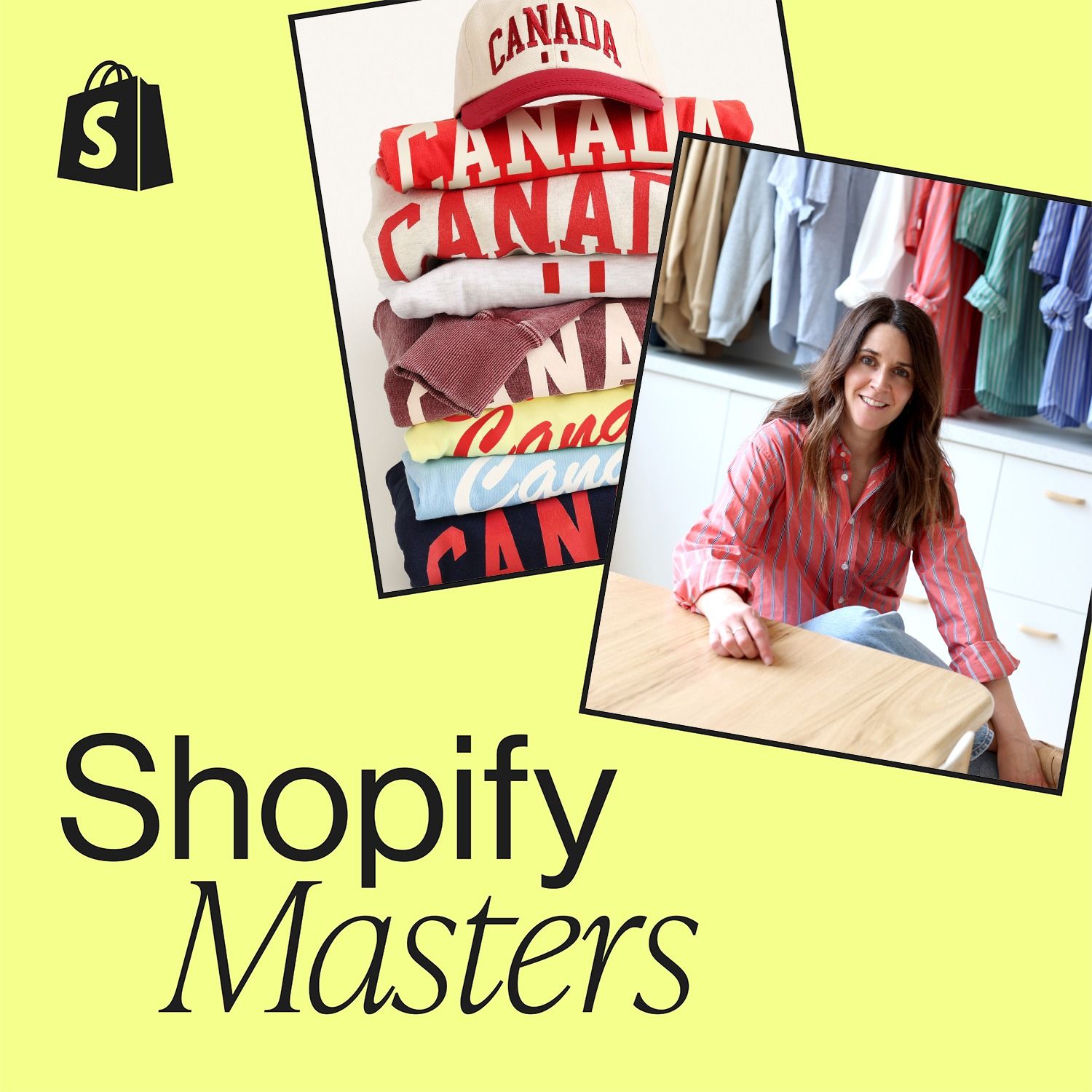
Province of Canada intentionally built an 'anti-fashion' brand by focusing on timeless basics rather than seasonal collections. This simplifies inventory, creates dependable products for customers, and allowed them to avoid the high-pressure, discount-driven wholesale cycle, leading to a more stable business.
A few dominant consumer platforms are capturing the majority of retail sales, creating a winner-take-all market. These companies leverage their scale and cash flow to reinvest in technology and advertising, widening their competitive moats much like the largest tech companies.

Uniqlo's global success isn't from following fast fashion trends, but by rejecting them. The company focuses on high-quality, long-lasting basics and innovative functional fabrics like Heattech, creating a universally appealing brand that prioritizes durability and value over fleeting styles.

For a brand like Crocs, achieving top seller status on a trend-driven platform like TikTok is a sign of faddish popularity, which is inherently fragile. Unlike businesses with durable advantages based on physics or infrastructure (like railroads), success on TikTok signals high risk of a rapid decline once trends shift.