Get your free personalized podcast brief
We scan new podcasts and send you the top 5 insights daily.
According to Spotify CEO Daniel Ek, the goal for ambitious individuals shouldn't be the direct pursuit of happiness. Instead, they should optimize for making a significant impact. Happiness is often a byproduct of meaningful work, not the primary objective.

Related Insights
Daniel Ek believes sustained happiness is a trailing indicator of impact. He advised Uber CEO Dara Khosrowshahi to take the challenging CEO role because it offered greater potential for impact, which ultimately leads to more profound happiness than a comfortable, content life.

Everyone suffers regardless of their path. The key is to select goals so meaningful that the inevitable pain, uncertainty, and criticism are a worthwhile price to pay. Most people trade this fixed cost for trivial rewards.

Actively pursuing a promotion often leads to frustration because it depends on factors outside your control. The path to growth and happiness is to focus entirely on maximizing your impact in your current role. Promotions and recognition will eventually follow as lagging indicators.

The pursuit of wealth as a final goal leads to misery because money is only a tool. True satisfaction comes from engaging in meaningful work you would enjoy even if it failed. Prioritizing purpose over profit is essential, as wealth cannot buy self-respect or happiness.

Luckey advises founders to separate personal passions from the problems that need solving for maximum impact. While he enjoyed building Oculus VR headsets, he chose to found defense company Anduril to tackle a more critical, albeit less "fun," problem in national security. This contrasts with the common advice to "follow your passion."
![Palmer Luckey - Inventing the Future of Defense - [Invest Like the Best, CLASSICS] thumbnail](https://megaphone.imgix.net/podcasts/f7c9aa8e-cb8d-11f0-828e-0b281809c10a/image/cc07f91ec47f95abbde771a4956b37b7.jpg?ixlib=rails-4.3.1&max-w=3000&max-h=3000&fit=crop&auto=format,compress)
Founders often believe success will bring ease and happiness, but building meaningful things is a constant, hard grind. The goal shouldn't be happiness, which is fleeting, but contentment—the deep satisfaction derived from tackling important problems. The hardness itself is a privilege to be embraced.
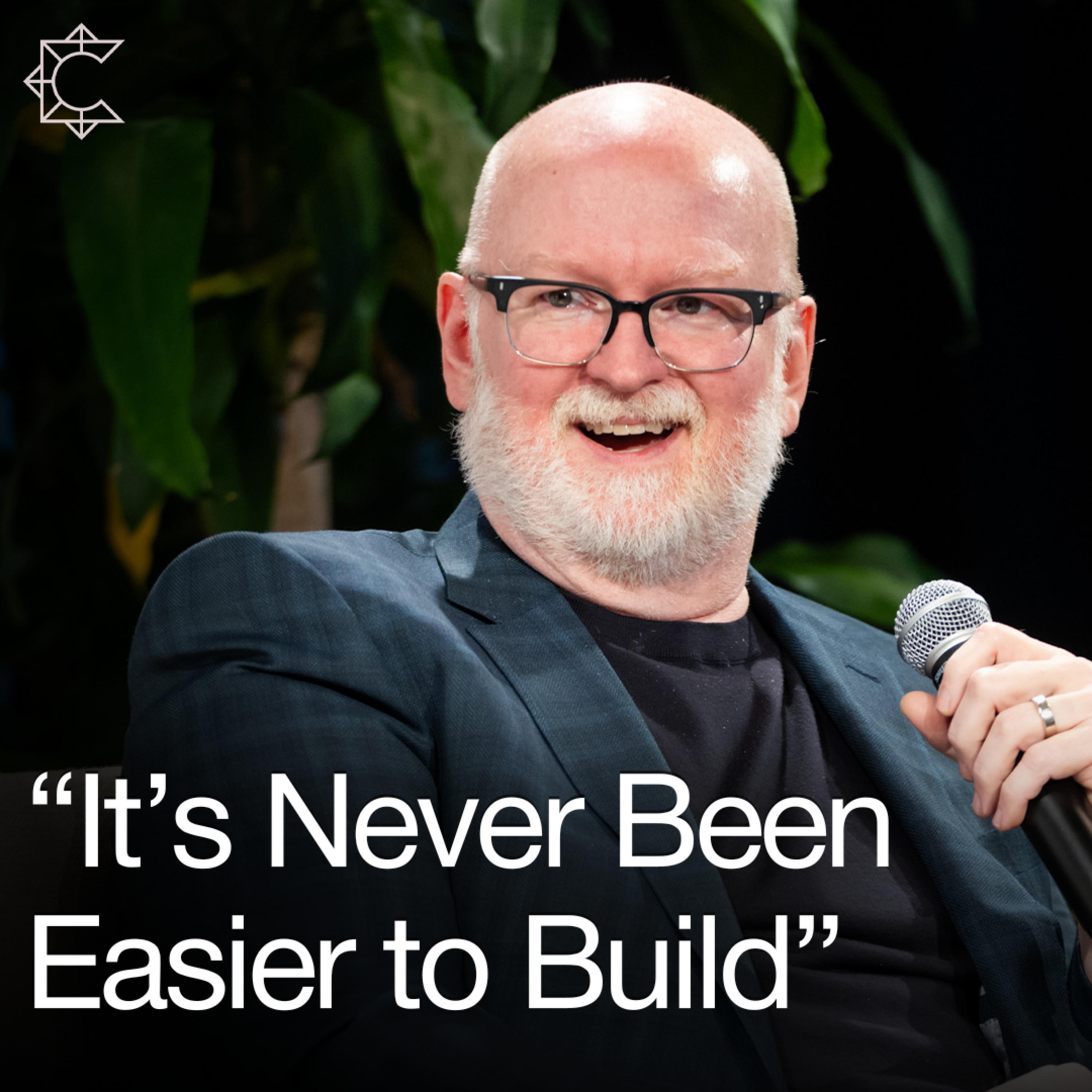
Elon Musk's advice for entrepreneurs is to focus on being a 'net contributor to society' by making more than you take. Financial success is a natural consequence of providing useful products, not something to be pursued directly, much like happiness is a byproduct of a fulfilling life.

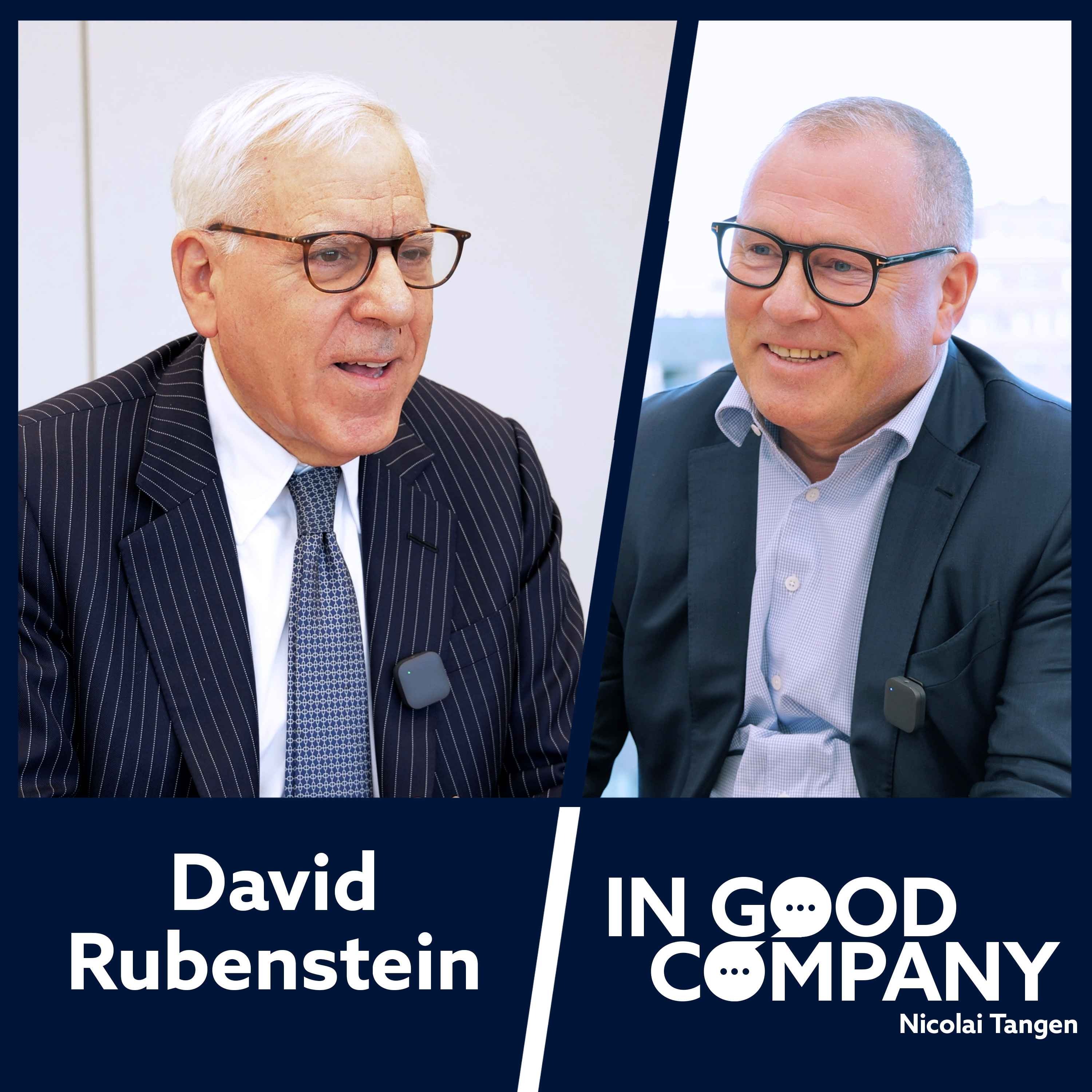
According to Rubenstein, the intense drive required to be a great leader often leads to a perpetual state of inadequacy and unhappiness. He suggests the happiest people are frequently not ambitious leaders but individuals who are content with their personal lives, unburdened by the goal of changing the world—a mission that is never fully achieved.
Dara Khosrowshahi advises career builders to seek three things: a boss you admire and can learn from, a role where your individual contribution is significant, and an organization whose mission has a positive impact on the world. This framework prioritizes growth and purpose over short-term compensation.

At 70, Khosla's ambition is to create more change in the next 20 years than in the previous 50. His motivation is the intrinsic satisfaction of solving hard problems, not building a personal legacy for posterity.