Get your free personalized podcast brief
We scan new podcasts and send you the top 5 insights daily.
Daniel Ek believes sustained happiness is a trailing indicator of impact. He advised Uber CEO Dara Khosrowshahi to take the challenging CEO role because it offered greater potential for impact, which ultimately leads to more profound happiness than a comfortable, content life.

Related Insights
The startup world over-indexes on the aggressive, relentless founder archetype. Spotify CEO Daniel Ek argues for the need to recognize and promote alternative models. Success doesn't require emulating a single personality type; it requires building a business that is authentic to you.

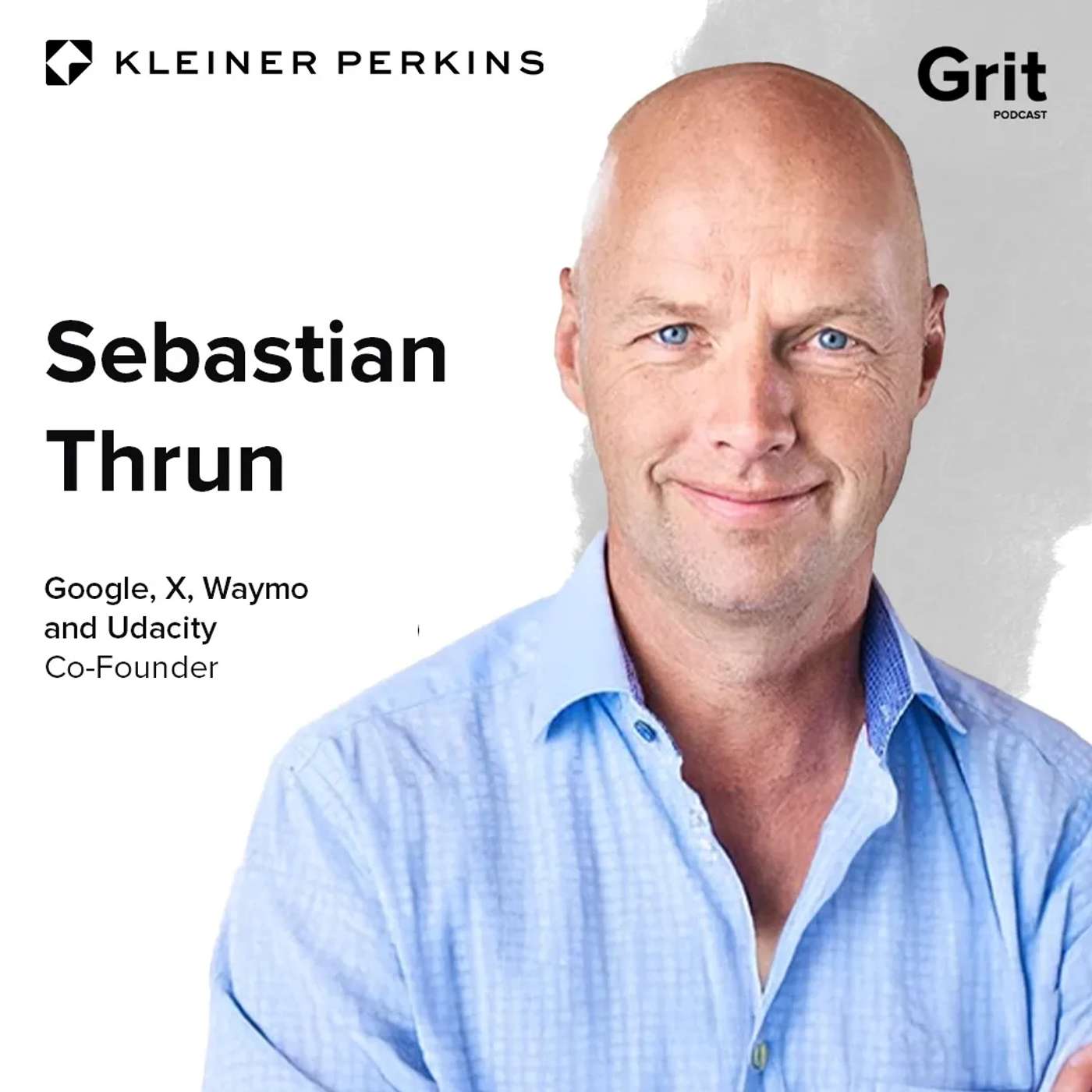
Sebastian Thrun bought a Ferrari to test if wealth brought happiness, but found it provided "zero days" of joy. He concluded that beyond basic needs, managing wealth is a time-consuming distraction that creates work (defending, growing, spending it) rather than enabling impactful creation.
Daniel Ek was forced to re-evaluate his role when his head of product told him his presence in product reviews was unhelpful. After an initial emotional reaction, Ek stepped back, empowering his team and forcing himself to find new, more valuable ways to contribute.
Despite his own success, Daniel Ek maintains extreme intellectual humility. To master running large group meetings, a personal weakness, he spent a week shadowing Meta's CEO, taking notes and offering to get coffee just to absorb the culture and mechanics firsthand.
The CEO role is not a joyful or fun job; it's a high-pressure, problem-solving position. Founders who love their craft, like software engineering, often take the CEO title out of necessity to solve a larger problem and bring a vision to life, not because they desire the job itself.
Spotify's Daniel Ek argues against the myth of a single founder archetype. Instead of imitating famous entrepreneurs like Steve Jobs, founders should focus on self-discovery to build a company that is a natural extension of their unique personality and leadership style.
Daniel Ek highlights a critical insight: people often focus on how to best play the game of life or business, but fail to realize they might be playing the wrong game entirely. The real challenge is achieving self-awareness to choose the right game for your own personality and goals.
Luckey advises founders to separate personal passions from the problems that need solving for maximum impact. While he enjoyed building Oculus VR headsets, he chose to found defense company Anduril to tackle a more critical, albeit less "fun," problem in national security. This contrasts with the common advice to "follow your passion."
![Palmer Luckey - Inventing the Future of Defense - [Invest Like the Best, CLASSICS] thumbnail](https://megaphone.imgix.net/podcasts/f7c9aa8e-cb8d-11f0-828e-0b281809c10a/image/cc07f91ec47f95abbde771a4956b37b7.jpg?ixlib=rails-4.3.1&max-w=3000&max-h=3000&fit=crop&auto=format,compress)
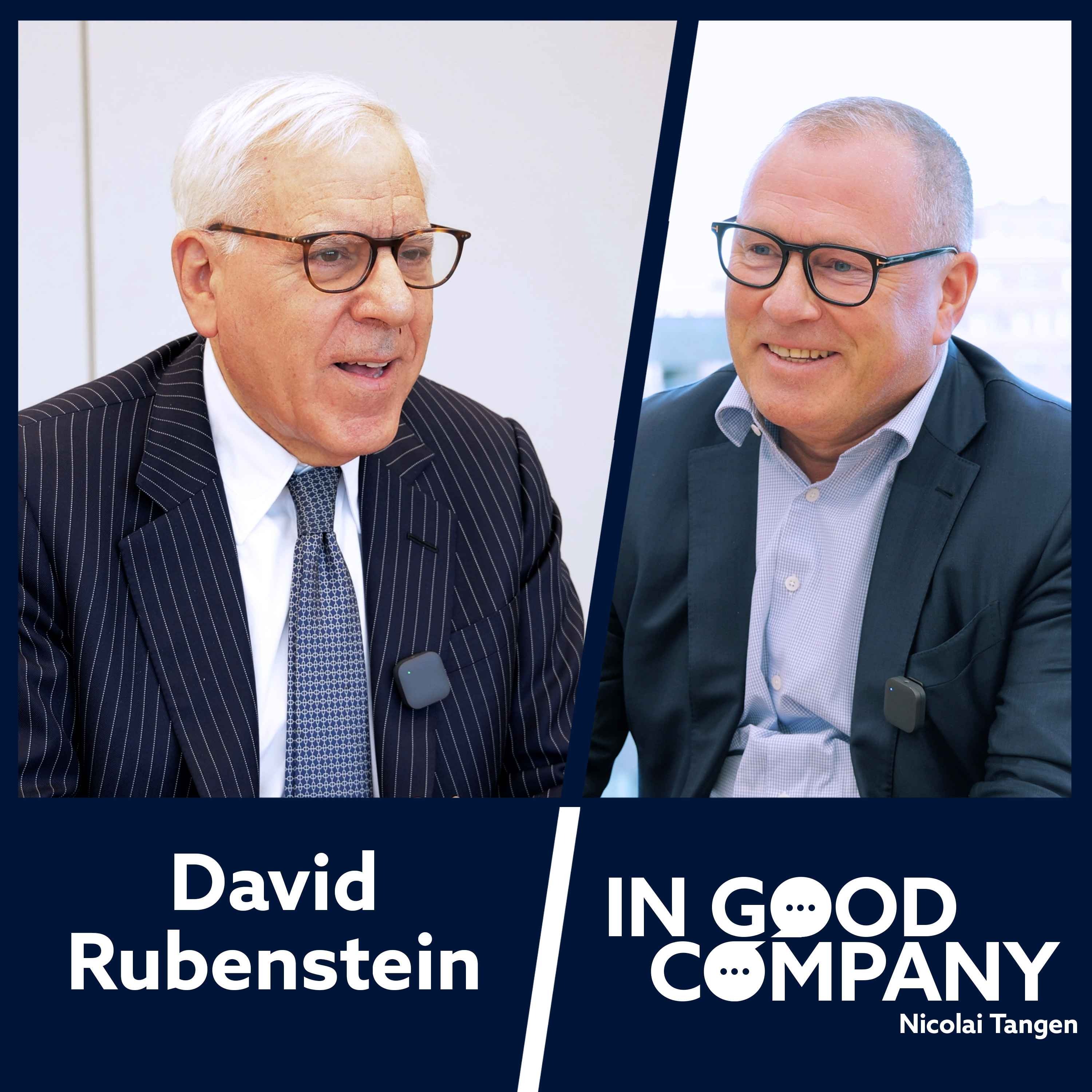
According to Rubenstein, the intense drive required to be a great leader often leads to a perpetual state of inadequacy and unhappiness. He suggests the happiest people are frequently not ambitious leaders but individuals who are content with their personal lives, unburdened by the goal of changing the world—a mission that is never fully achieved.
Many professionals chase titles and salaries ("acquisition"). True career satisfaction comes from choosing roles that align with personal values and desired lifestyle ("alignment"). Chasing acquisition leads to a short-term sugar rush of success followed by professional emptiness.
