Get your free personalized podcast brief
We scan new podcasts and send you the top 5 insights daily.
Before becoming an industry, Black hairdressing was a tool for liberation. By serving white clients, enslaved barbers earned enough to buy their freedom and fund foundational Black institutions like Wilberforce University, one of America's first HBCUs.
Related Insights
During the Chesapeake campaign, British commanders made it policy to offer freedom to runaway slaves. They armed the men and formed them into a special unit, the "Corps of Colonial Marines." This strategy terrified white American slaveholders and provided the British with crucial intelligence and manpower.

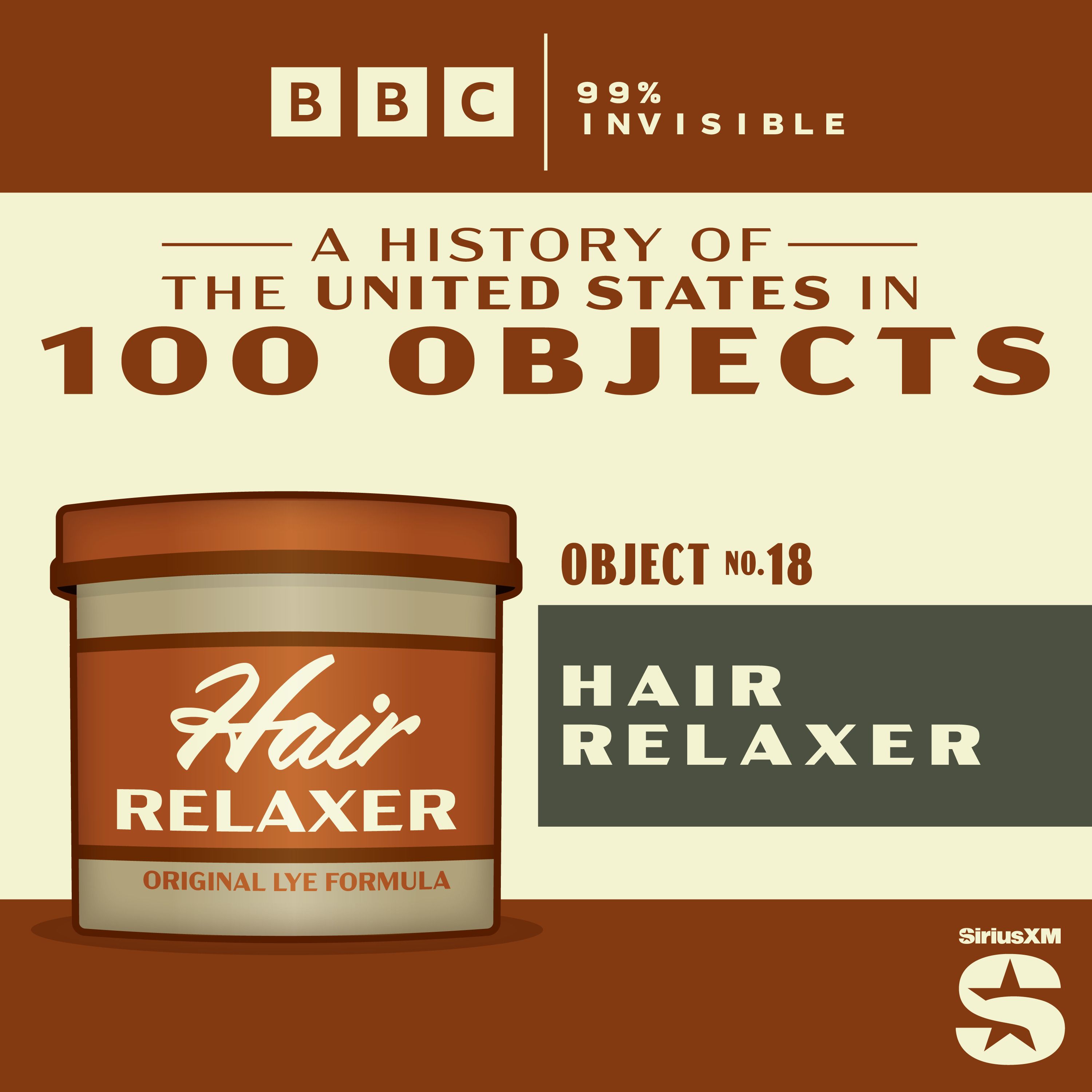
Hair relaxer represents a core tension in Black capitalism: it generated immense wealth and funded community institutions by selling a product designed to conform to white beauty standards. This packaged assimilation, while empowering economically, came at a great social and physical cost.
The Blue Back Speller was created to forge a specific white American identity, explicitly excluding Black people. However, enslaved individuals like Frederick Douglass appropriated this tool, transforming it from a symbol of exclusion into a clandestine instrument for their own literacy and freedom.

The Afro was a radical symbol of defiance during the Black Power movement. The beauty industry capitalized on its popularity by selling wigs and products, turning a potent political statement into a profitable fashion trend and neutralizing its counter-cultural power.
The resurgence of straight hair in the 80s was less a fashion cycle and more a professional mandate. A 1981 court ruling upheld an airline's right to fire an employee for wearing cornrows, solidifying straight hair as a prerequisite for corporate and military employment for Black women.
The successful anti-slavery movement in Britain was founded primarily by entrepreneurs who applied their skills in scaling companies and operations to a moral cause. This historical example shows that business acumen is a powerful, and perhaps essential, tool for large-scale social change.

Inventor Garrett Augustus Morgan was developing a fluid to stop sewing needles from scorching wool. He noticed the substance straightened the wool's fibers, an accidental discovery that led him to test it on hair and subsequently revolutionize the Black hair care industry.
Carter G. Woodson, founder of Black History Month, was a savvy entrepreneur. He established a journal and a publishing house for Black authors, then used the profits from these educational products to self-fund and promote "Negro History Week," demonstrating a self-sustaining model for social change.

Facing extreme hostility, Booker T. Washington taught former slaves to make superior bricks. They became so proficient that they created an exportable product, forcing the hostile surrounding economy to trade with them. This is a model for gaining power and self-reliance through undeniable economic contribution, not aid.

The common theory that slavery ended because it became economically inefficient is a myth. Economic historians argue that, absent political intervention, the slave economies of the British Empire would have continued to thrive well into the 19th century. Slaveholding societies never voluntarily gave up the practice because it was unprofitable.