Get your free personalized podcast brief
We scan new podcasts and send you the top 5 insights daily.
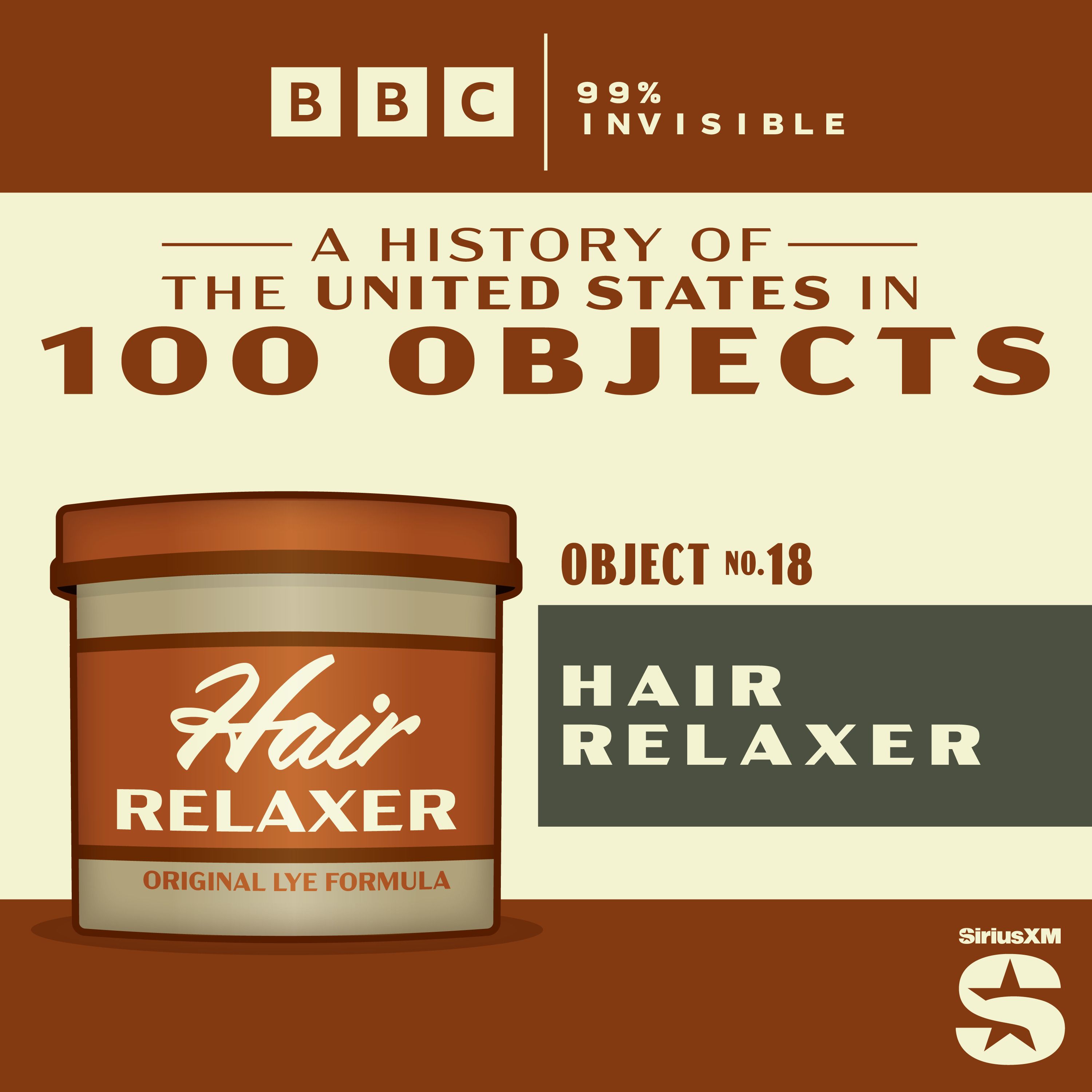
The resurgence of straight hair in the 80s was less a fashion cycle and more a professional mandate. A 1981 court ruling upheld an airline's right to fire an employee for wearing cornrows, solidifying straight hair as a prerequisite for corporate and military employment for Black women.
Related Insights
Before becoming an industry, Black hairdressing was a tool for liberation. By serving white clients, enslaved barbers earned enough to buy their freedom and fund foundational Black institutions like Wilberforce University, one of America's first HBCUs.
Hair relaxer represents a core tension in Black capitalism: it generated immense wealth and funded community institutions by selling a product designed to conform to white beauty standards. This packaged assimilation, while empowering economically, came at a great social and physical cost.
In the 1970s, the FTC mandated a lye warning on the Black-owned Johnson Products' relaxers but waited two years to enforce the same on its white-owned competitor, Revlon. This regulatory bias gave Revlon a critical market advantage, devastating a Black-owned industry leader.
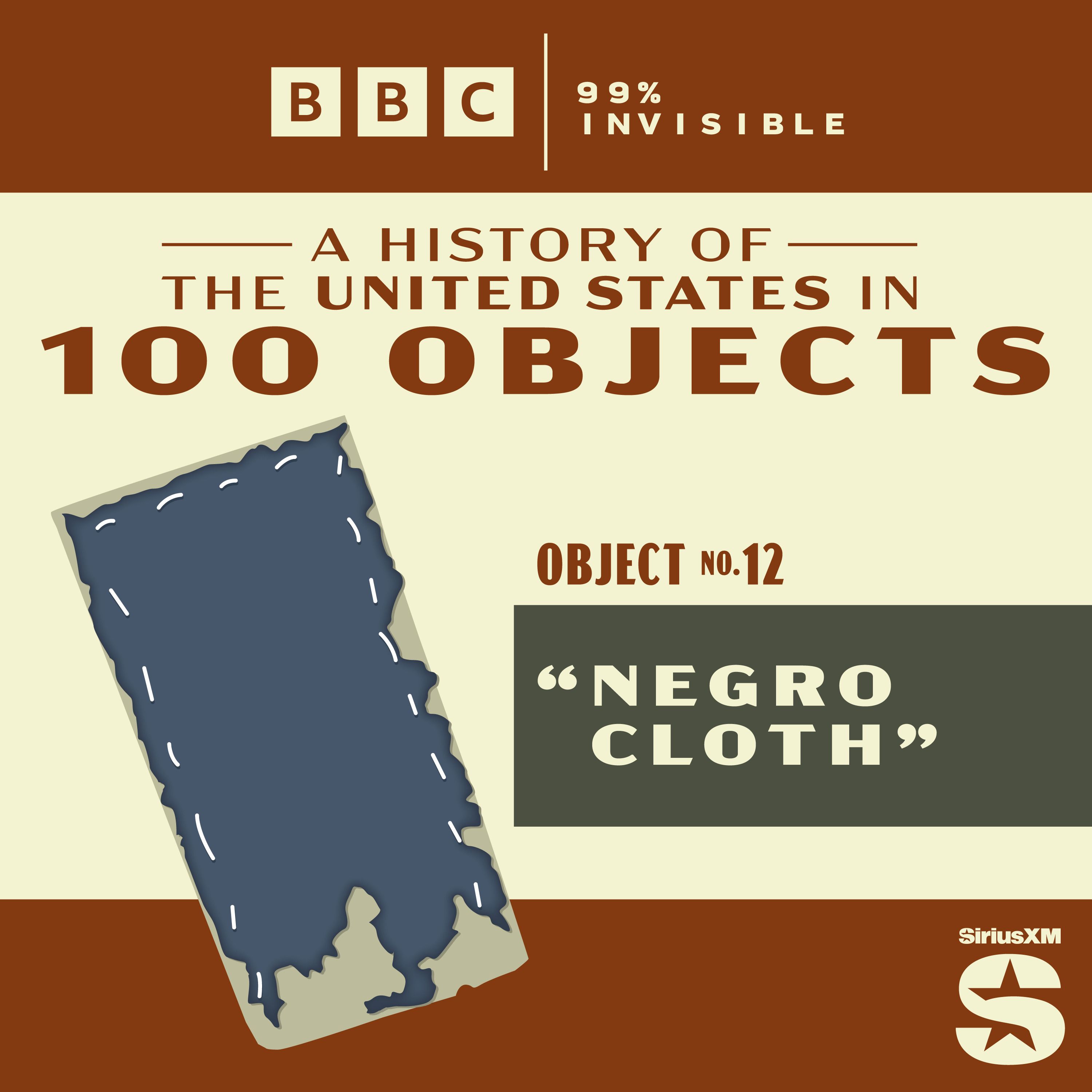
Northern manufacturers gathered feedback from enslaved people on clothing preferences. Slaveholders permitted this not out of humanity, but as a cynical management tactic to quell dissent and increase productivity, treating human beings as an asset to be optimized through product design.
The infamous long-hour culture in investment banking wasn't initially a hazing ritual. It was a direct result of an unexpected explosion in business volume in the 1980s that dramatically outpaced the industry's ability to hire and train new staff, creating a genuine business need for extreme hours.

The Afro was a radical symbol of defiance during the Black Power movement. The beauty industry capitalized on its popularity by selling wigs and products, turning a potent political statement into a profitable fashion trend and neutralizing its counter-cultural power.
The first tenured woman at Stanford GSB illustrates how the institution was built for men, not through overt misogyny, but through details like office chairs her feet couldn't reach and being told to be a "cheerleader" at a faculty football game. These stories powerfully show how systemic bias manifests in cultural norms and physical environments.
Inventor Garrett Augustus Morgan was developing a fluid to stop sewing needles from scorching wool. He noticed the substance straightened the wool's fibers, an accidental discovery that led him to test it on hair and subsequently revolutionize the Black hair care industry.
A century-old tradition at many elite American universities—the mandatory swim test for graduation—is being abandoned. The primary driver is the recognition that racial disparities in swimming ability make the test a discriminatory barrier, as Black students, who historically have had less access to swimming facilities, fail at disproportionate rates, raising equity concerns.

Policies that once legally barred married women from working have a lasting legacy. Modern workplace challenges for mothers, such as being pushed out or lacking support, are not individual failings but are rooted in this historical, systemic discrimination.
