Get your free personalized podcast brief
We scan new podcasts and send you the top 5 insights daily.
The telegraph enabled near-instant communication, tempting political leaders like President Lincoln to micromanage military campaigns from afar. However, this often failed, highlighting a timeless tension where communication technology outpaces effective command structures, creating an illusion of control that doesn't actually exist.

Related Insights
For a brief 20-year period, commanders could monitor individual soldiers in real-time. Before and after this era, the sheer scale of battlefield assets makes such centralized command impossible, necessitating a return to distributed autonomy and decision-making.

Every major communication technology has sparked a societal instinct to "control it before it controls you." Fears about AI and disinformation are not new; they echo the historical panic over heresy caused by the printing press. This reframes the current regulatory push as a predictable human reaction to disruptive innovation.

The proliferation of satellites and drones has created a "transparent battlefield" where forces are under constant observation. This blanket of sensors makes it incredibly difficult for armies to move, concentrate forces, or achieve surprise, fundamentally changing traditional military doctrines that rely on maneuver.

Despite new technologies, the Civil War's generalship resembled the Napoleonic era more than WWI. Command was dominated by individual personalities and singular decisions, like Pickett's Charge, rather than the vast, impersonal, and bureaucratized military machines that would define 20th-century warfare.
A paradox exists in modern conflict: while technology like drones and sensors makes the battlefield incredibly lethal and difficult to operate on, political leaders remain optimistic about using war as a tool of statecraft. They consistently believe they can achieve a decisive victory despite overwhelming evidence to the contrary.
Historian Bruce Catton portrays General George McClellan, the "tech bro of his day," as a brilliant engineer promoted rapidly but too risk-averse to be an effective commander. His story serves as a counterargument to the modern idea that simply elevating technically skilled individuals will produce better military leaders without experiential learning.

Promotion was based almost entirely on time in service, not merit. This led to absurd situations where a proven general like George Meade was technically junior to the less competent Ambrose Burnside because of their commission dates, forcing convoluted command arrangements during critical campaigns.
Democratic systems were designed for slow, compromise-seeking processes. However, modern technology creates a 'cacophony' of instant information and demands immediate reactions. This fundamental mismatch contributes to societal instability and a feeling that the system is broken, driving people toward authoritarian figures who promise quick fixes.

History shows that technological advantage is not a silver bullet for achieving political goals. The US possessed massive technological dominance over adversaries in Vietnam and Afghanistan but ultimately failed to impose its will, suggesting an AI leader could face similar limitations.

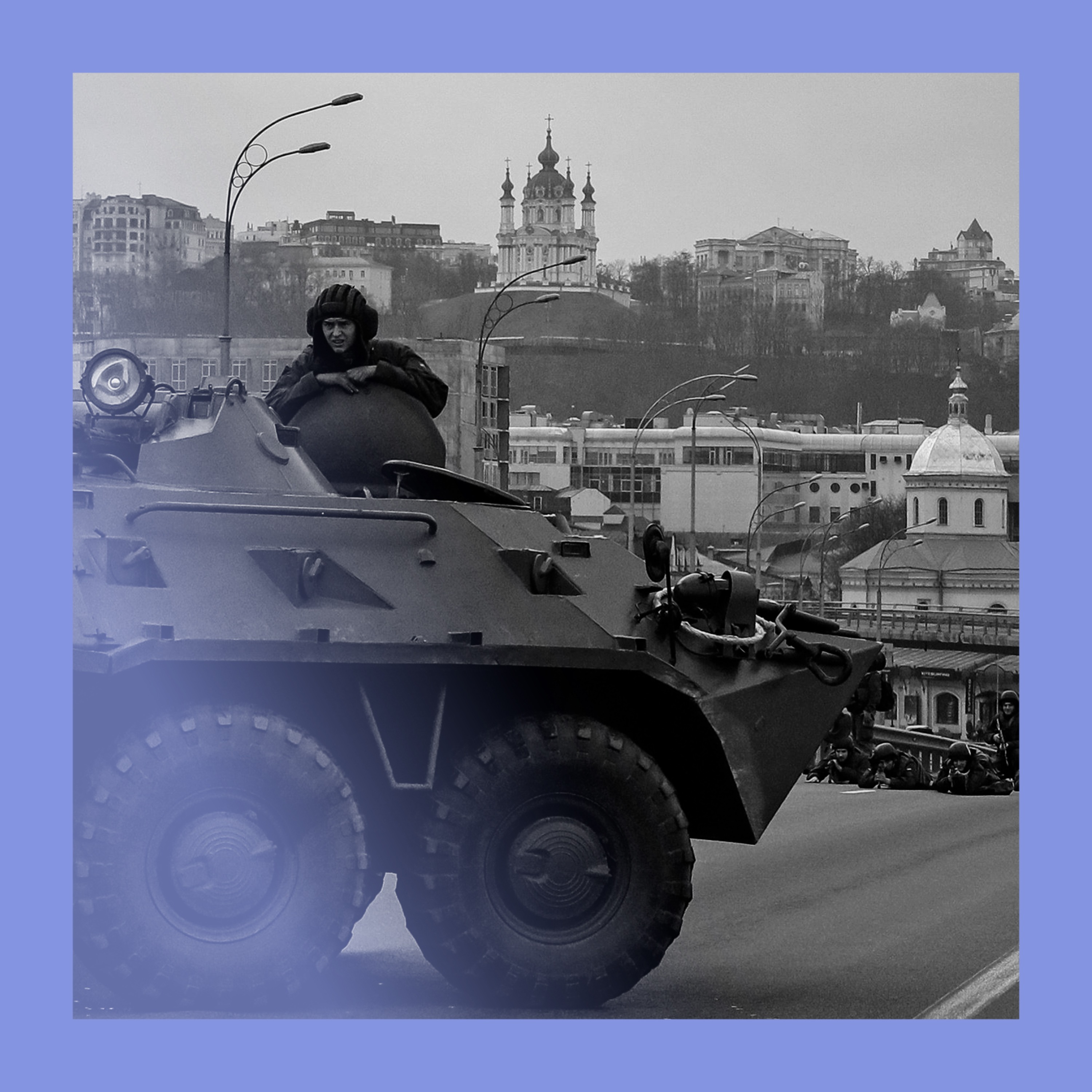
Advanced sensors, drones, and satellites make it nearly impossible for either side in the Ukraine war to concentrate large forces without being immediately detected and destroyed. This technological shift enforces a static, sluggish front line characterized by small, dismounted infantry movements.