Get your free personalized podcast brief
We scan new podcasts and send you the top 5 insights daily.
To manage the immense risk of its new manufacturing process, Ford will launch its next-gen EV as a minimal viable product (MVP). The initial release will feature just one color, one spec, and basic software capabilities. More complexity and features will be rolled out gradually post-launch after validating the core product.

Related Insights
CEO Jim Farley uses an unusual metric to gauge engineering efficiency: the number of fasteners. He observed that a Tesla Model Y has one-third the fasteners of a Ford Mach-E, viewing it as a direct 'output metric for how elegant the simplicity of your engineering solution is' that impacts cost and manufacturability.
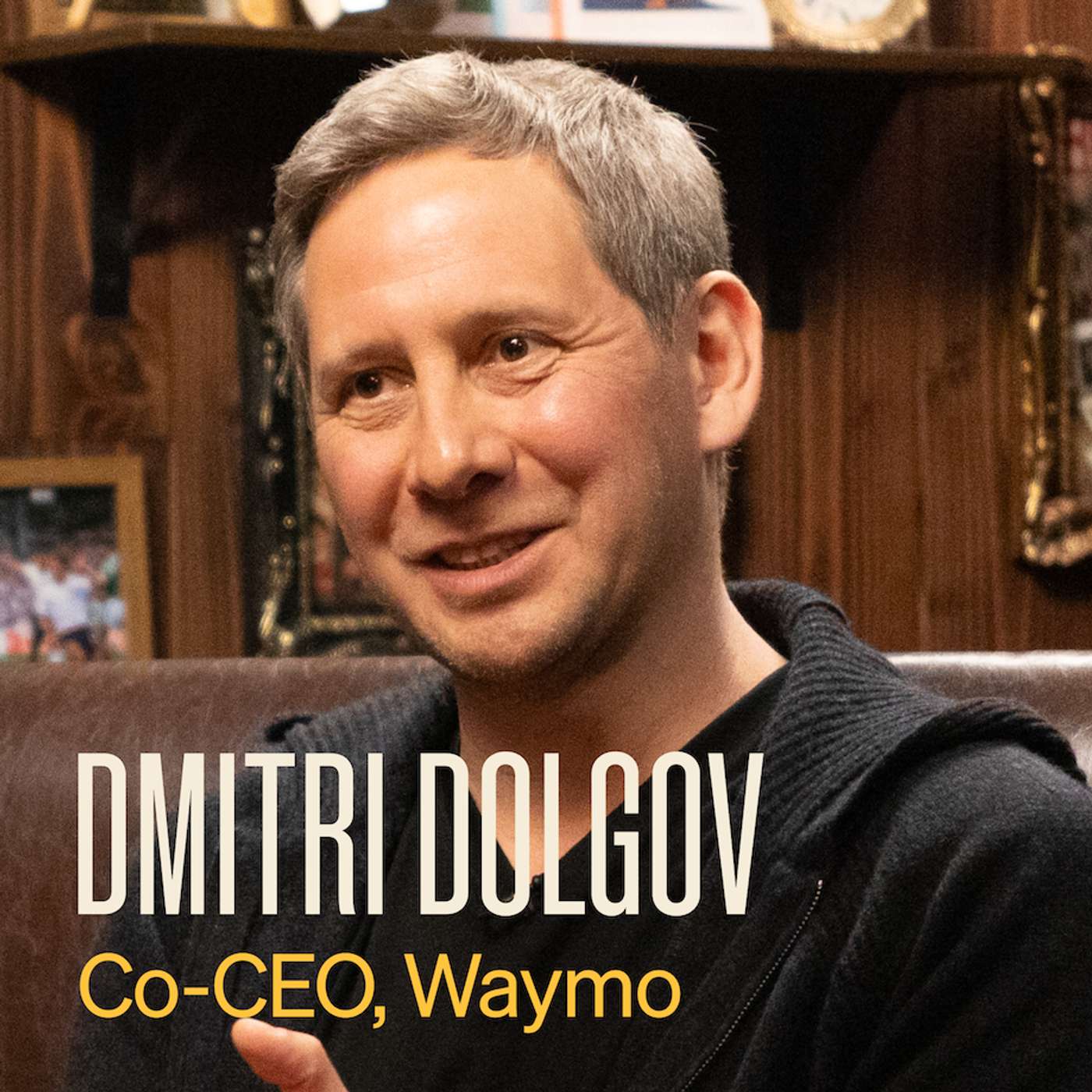
Waymo decouples major hardware and software upgrades. Its 6th generation platform introduces a new custom vehicle and a cheaper, simpler sensor stack, but runs the same proven 5th generation software. This "tick-tock" approach allows them to validate a new hardware platform while relying on a mature, generalizable software stack.
Instead of a full launch, enable only the sales team most vocal about a new product to sell it. This controlled experiment tests real-world demand and cannibalization risk with minimal investment and market disruption before committing to a wide release.

Ford's CEO states the company's EV investment strategy is designed to be sustainable without consumer tax credits. The new universal platform's primary goal is to make an affordable EV that is profitable for Ford on its own merits, a crucial step for long-term market viability.

To compete with agile companies like BYD, Ford established an independent team, free from the company's legacy systems and processes, to develop a new, affordable EV platform. This radical approach was deemed necessary because incremental improvements on existing models would fail against formidable Chinese competition.
Ford's CEO believes the next major growth phase for EVs is the sub-$30,000 market, which competes directly with the average price of a 5-year-old used car. This is where the mass market shops, not in the premium segment where EVs began. Success requires a sustainable, profitable model, not just a low sticker price.
To de-risk a new idea, first anchor it in elements that are *Proven* to work in the market. Then, add a feature that is clearly *Better* for users. This isolates your *New* high-risk innovation, increasing the odds of success by not failing for the wrong reasons.

Releasing a minimum viable product isn't about cutting corners; it's a strategic choice. It validates the core idea, generates immediate revenue, and captures invaluable customer feedback, which is crucial for building a better second version.

After struggling to launch three highly complex vehicles at once, Rivian's CEO admitted it was a mistake. For the critical R2 launch, the company is aggressively reducing complexity to drive down costs and streamline manufacturing, offering fewer than 200 build combinations versus the "hundreds of thousands" possible for the R1.

To manage the risk of a large-scale launch, identify and release smaller, self-contained features to users months in advance. American Express used this to test benefit enrollment mechanics before their main Platinum card launch, reducing uncertainty and gathering real-world data.