Get your free personalized podcast brief
We scan new podcasts and send you the top 5 insights daily.
Engaging anonymous meme and commentary accounts for paid launch promotions signals artificial product interest rather than organic demand. Savvy tech consumers and developers quickly identify these syndicated marketing blitzes as transparent astroturfing campaigns.

Related Insights
With over half of long-form LinkedIn posts being AI-generated and engagement being faked by bots and coordinated groups, metrics like likes and generic comments ('so true') are no longer reliable indicators of audience agreement or content quality. Treat it as manufactured volume, not proof.

Viral marketing firms now focus on manipulating recommendation algorithms rather than appealing to human taste. They spam platforms with content to trick the algorithm into believing a song or product is already popular, making the algorithm the primary customer, not the end user.

Small, pre-approval psychedelic biotechs using paid YouTube promotions with exaggerated claims risk damaging the entire field's effort to build scientific legitimacy. This marketing tactic, typically seen with consumer products, undermines attempts to attract serious investors and pharma partners by creating hype that is harmful to the sector's credibility.
A new marketing tactic involves creating high-quality, AI-generated content on platforms like Reddit to promote a product. The goal is to have this seemingly authentic user content indexed and then surfaced by LLMs like ChatGPT in their summaries, creating an insidious and hard-to-detect marketing channel.
OpenAI's previous dismissal of advertising as a "last resort" and denials of testing ads created a trust deficit. When the ad announcement came, it was seen as a reversal, making the company's messaging appear either deceptive or naive, undermining user confidence in its stated principles of transparency.

For a new product or special, create new social media handles (e.g., '@MarksNetflixSpecial'). This allows you to post aggressively and test content without flooding your primary feed. These 'innocent' accounts can feel more organic to new audiences and absorb the risk of high-volume posting.

Even when an influencer genuinely loves a product, the "paid partnership" disclosure creates consumer skepticism. This trend diminishes the power of traditional influencers, making authentic user-generated content and genuine testimonials a more trusted source for marketing.

A growing marketing strategy for new AI companies is to pay influencers for positive promotion without requiring them to disclose it as an advertisement. This creates an artificial sense of organic buzz and can be considered a form of lobbying to win mindshare on social platforms, blurring the line between authentic recommendation and paid placement.
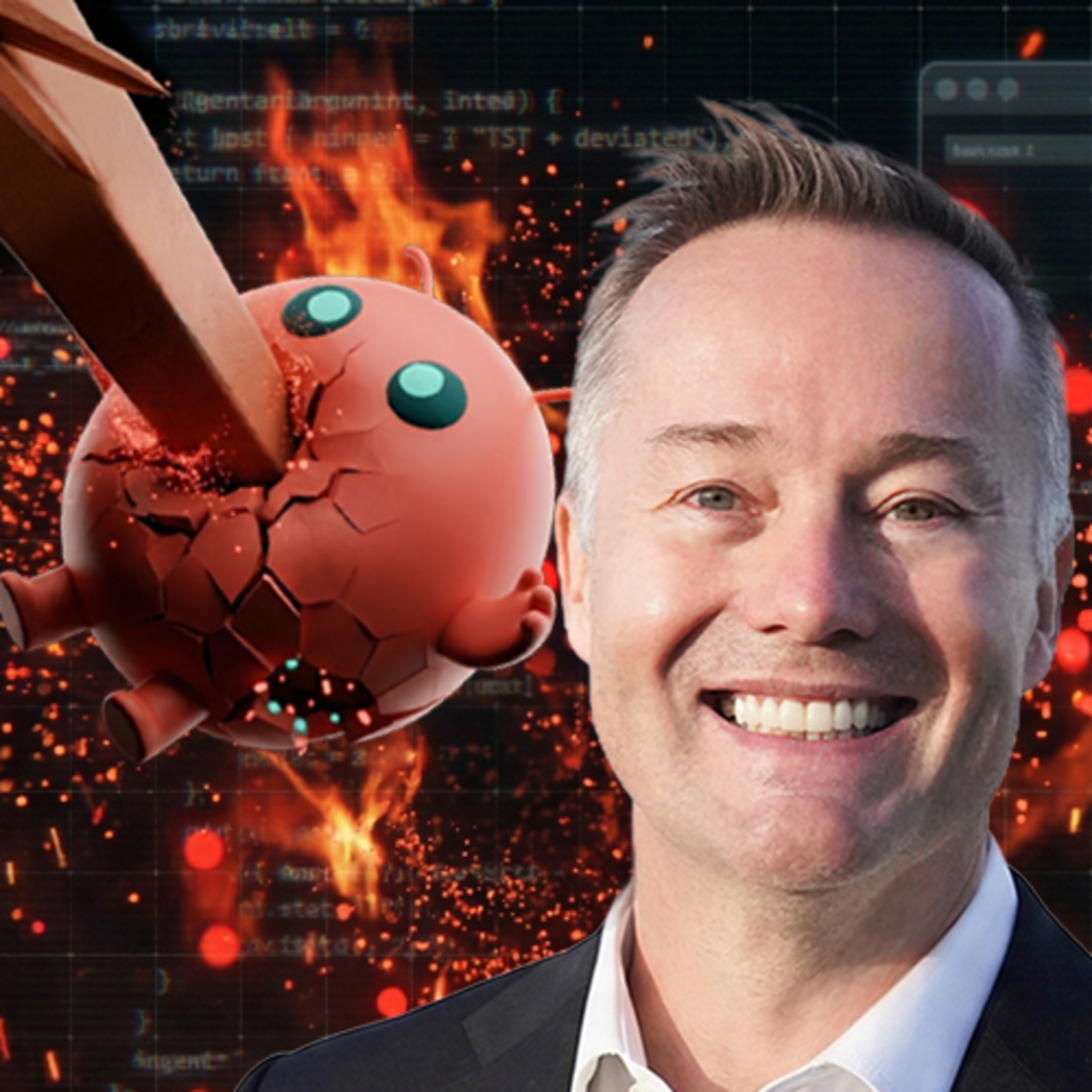
Alexis Ohanian shares a tactic where founders secretly purchase all moderator accounts for a relevant subreddit. This gives them control to subtly promote their products within a community that appears organic. It's a form of black-hat marketing designed to influence conversations and game the "SEO" for AI models.

The system of cheap labor, AI drafting, and fake accounts is topic-agnostic. It was built for commercial purposes but can be easily repurposed for malicious intent. The machine doesn't care if it's amplifying a product launch or state-sponsored disinformation; it just works.